
Kawal Ibam: Anatomy of a Self-Defense Campaign, a Logical Fallacy Audit of Ibrahim Arief
An independent audit of the #KawalIbam campaign and the consequences that followed it. Sixteen sources of evidence, ten kinds of logical fallacy, and five documented consequences, with an analysis of rhetoric and not a verdict, written under the presumption of innocence.
RAHMAT WIBOWO | 9 SEPTEMBER 2026
Independent Analysis of Rhetoric and Evidence. Fallacy detection and consequence audit, a review of sixteen sources. Version 1.0.
Executive Summary
The conclusion this report offers
Between September and November 2023, Ibrahim Arief ("Ibam"), at the time a technology executive at a state-owned-enterprise subsidiary in education technology and later a defendant in the alleged corruption case over the procurement of Chromebook laptops, ran a public self-defense campaign under the hashtag #KawalIbam. The campaign combined (a) direct public statements defending his conduct, (b) an unverifiable "never-hire list" that named a private individual, and (c) an implicit threat to leak state secrets if the criticism continued. Sixteen sources of evidence record his statements, the campaign material built on them, and the reputational and legal consequences that followed.
This report audits that record for logical fallacies, applying a structured five-question test to each claim: what is being claimed, what evidence supports it, which fallacy pattern is used, why that pattern fails logically, and what a version of the defence that is actually logically valid would look like. The report closes with a summary of the recurring kinds of fallacy and a factual note on "karma", the consequences that emerged from each of those fallacious steps.
- 16: sources of evidence reviewed
- 10: kinds of fallacy identified
- 5: consequences ("karma") documented and tied to specific claims
Core conclusion. Every substantive claim Ibrahim Arief made in his own defence fails on at least one classic fallacy: appeal to an unverifiable authority, appeal to force (ad baculum), guilt by association, post hoc causal attribution, special pleading, or DARVO-style reversal of the victim's position. Not one of his public statements involves the only kind of evidence that could actually settle this matter cheaply, the public court record. The campaign's final outcome (mockery from his own peers in public, a trail of legal exposure that keeps widening, and finally an unrelated corruption indictment that critics used as a narrative justification) is presented here as a factual chronology, not as a justification of the "deserved retribution" framing found in the source material itself.
Disclaimer
This report is an independent analysis of rhetoric and the author's personal opinion. It is not a court verdict, not an official document of any law enforcement body, and not professional legal advice. Several points matter before the reader continues:
- The presumption of innocence applies in full. Every alleged violation discussed in connection with the personal dispute between Rahmat Wibowo and Ibrahim Arief (Section 5.2, Exhibits A-J) has the status of an allegation that has been filed, not a judgment that has been handed down. The Chromebook corruption case (Section 5.1) has a different status because it has already gone through judicial proceedings and been widely reported, but it can still change if further legal remedies (cassation or judicial review) that are not yet final are pursued.
- The viewpoint is that of one party. This report was prepared by the party who is the subject of the statements analysed, so it naturally reflects Rahmat Wibowo's point of view. Quotations from the other side are reproduced as faithfully as possible, but the interpretation and the fallacy assessments remain an analysis from one side.
- The satirical and critical tone in some of the figure captions reflects the author's rhetorical style in criticising the arguments (not the person or appearance) of the party analysed, and is not intended as an additional statement of fact beyond what is directly quoted.
- This is not a substitute for official legal process. Readers with a direct interest in the disputes discussed are advised to refer to official court documents or the competent authorities, not to this report, as the authoritative source.
1. Context of the Case
1.1 What the record shows
Rahmat Wibowo, a private individual who never had an employment relationship, a supervisor-subordinate relationship, or a performance-review relationship with Ibrahim Arief, became the object of public comment by Ibam and his associates from around September 2023. The comments included the label "toxic talent", a personal "never-hire list" that named him, and a threat to invoke Article 45B of the ITE Law (Law 19/2016) against anyone who repeated criticism of Ibam. Ibam also separately promoted an "offering letter" from an entity that his own campaign material calls "Facebook London" as a career credential, even though he never worked there. He later became a defendant in the alleged corruption case over the Chromebook laptop procurement, which is unrelated to the dispute with Rahmat Wibowo. The #KawalIbam campaign, built largely on testimonials from outside parties rather than on the facts of the case, ran in parallel with those legal proceedings.
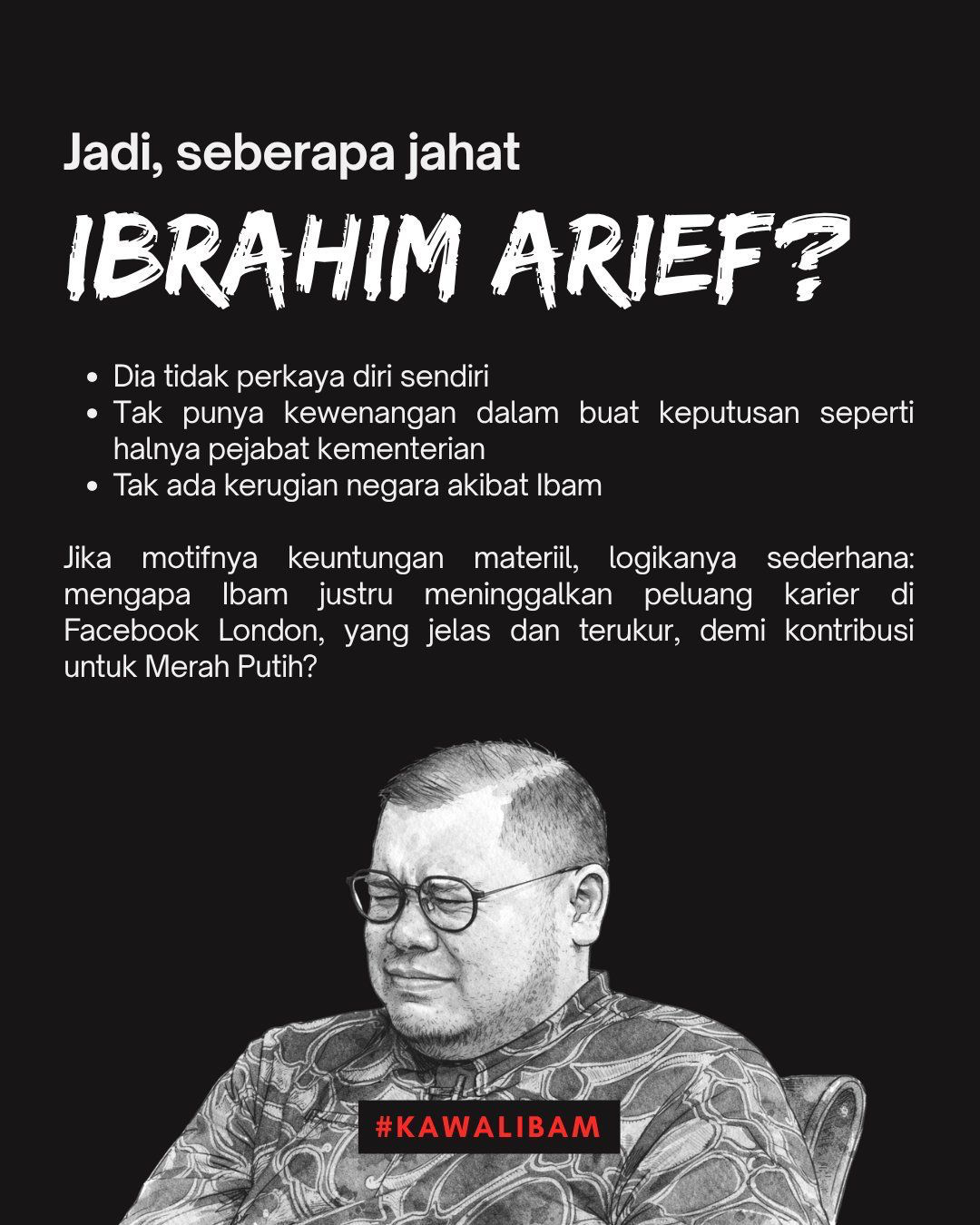
Figure 1a. One of the #KawalIbam campaign materials in circulation, included as documentation of the campaign record analysed in Section 3.
1.2 Method
Each source of evidence is treated as a primary exhibit. When the source is a direct statement by Ibam (a social media post, a forum reply under his company's account), the fallacy analysis targets his reasoning directly. When the source is third-party campaign material about Ibam (the poster series with themes such as "How Cruel", "How Evil", "Toxic Talent"), that material is treated as a secondary synthesis and cross-checked against the primary quotes it reproduces, with every rhetorical excess on the poster itself flagged and not simply accepted, consistent with the standard of intellectual honesty that this analysis does not exempt its own side from critical examination (see Section 4).
2. Breakdown of Fallacies by Source of Evidence
2.1 Ibrahim Arief's direct statements
Exhibit A: The "real legal counsel" reply
Claim: "Aku sudah ngobrol2 sama legal counsel beneran kok. They reviewed everything and said there's nothing to worry about... you're overestimating his ability and his understanding of our legal process." (In English: "I have talked to real legal counsel. They reviewed everything and said there's nothing to worry about... you're overestimating his ability and his understanding of our legal process.")
Fallacy: Appeal to an unverifiable authority (argumentum ad verecundiam, in its empty form). No legal consultant is named, no content of any legal opinion is quoted, and the claim cannot be checked by the audience it is aimed at. The claim comes with a second fallacy, an appeal to an authority he does not hold over another party's competence: Ibam states with confidence that he knows Rahmat Wibowo's legal understanding even though he never had an employment relationship with him.
Why it fails: An appeal to authority is worth something only if the authority is named, can be checked, and is actually quoted on the specific point in dispute. "I have spoken to lawyers and they agree with me" cannot be falsified as delivered, and works only as a signal of confidence, not as evidence.
What he should have done for the reasoning to be valid: Name the legal consultant and state the content of the legal opinion specifically, or drop the claim and address the substance of the issue directly.
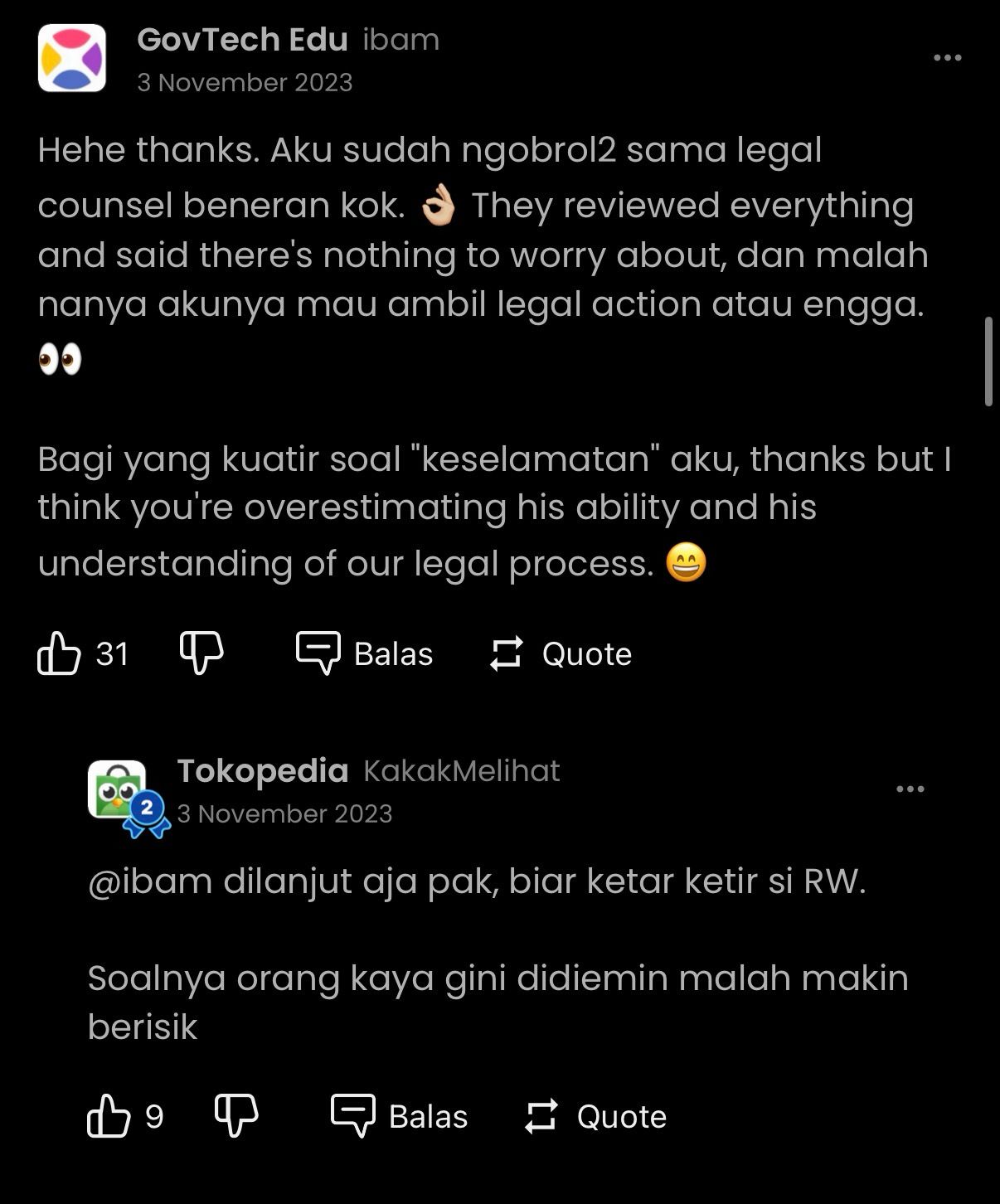
Figure 1. "Real legal counsel," he says. Unfortunately this legal counsel appears to specialise in witness protection for its own name: never appears, never quoted, simply taken on trust.
Exhibit B: The declaration of a "never-hire list"
Claim: "I have a personal 'never-hire list'... Yes, including that guy who got fired from AWS a week ago."
Fallacy: Guilt by association / poisoning the well. A termination of employment is treated as if it disqualifies on its own, with no criteria explaining the link between that termination and the specific judgment being defended. The statement also relies on innuendo, implying fault on Rahmat Wibowo's part without stating a specific claim that could be rebutted.
Why it fails: A termination of employment has no fixed inferential weight on competence, character, or the validity of unrelated criticism directed at Ibam. Treating it as final proof cuts off the real line of argument.
The 2024 repetition: On 24 August 2024, Ibam quote-reposted his original statement from 1 October 2023, reaffirming that the "never-hire list" remained in force. A repetition after more than ten months is a factual indicator that the statement was not a passing remark that was over, but a position consciously maintained.
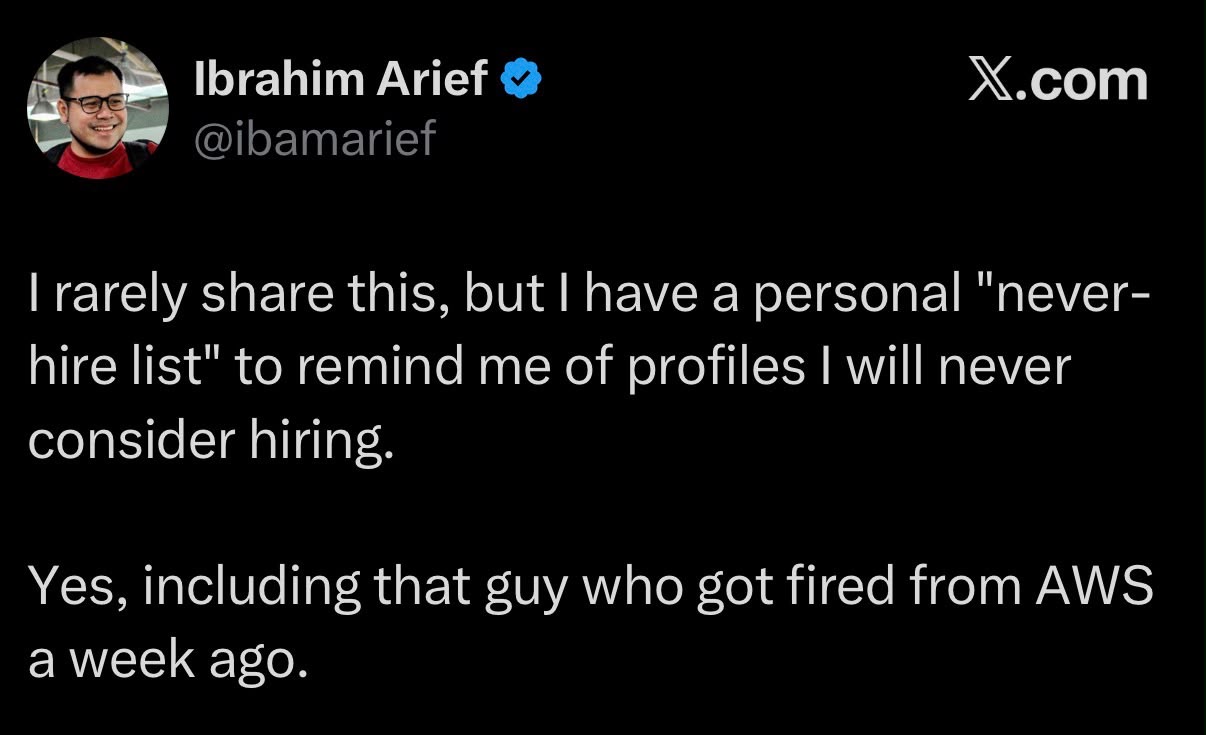
Figure 2. The personal "never-hire list", announced proudly in public. Ironically, this supposedly secret list is the one document in this report that was never asked to be kept secret from the start.
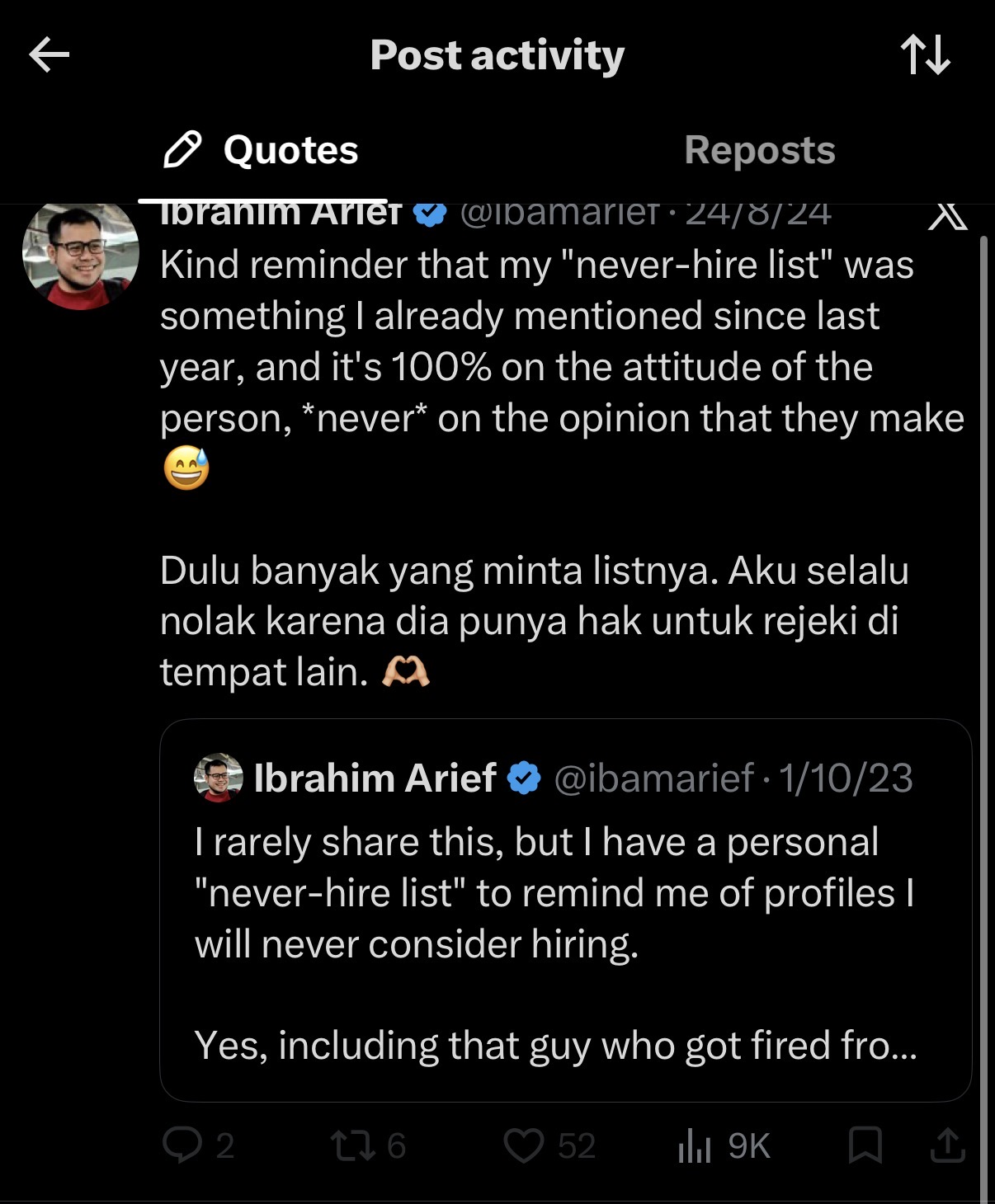
Figure 2a. The quote-repost of 24 August 2024 of the original 1 October 2023 statement, showing conscious repetition after more than ten months.
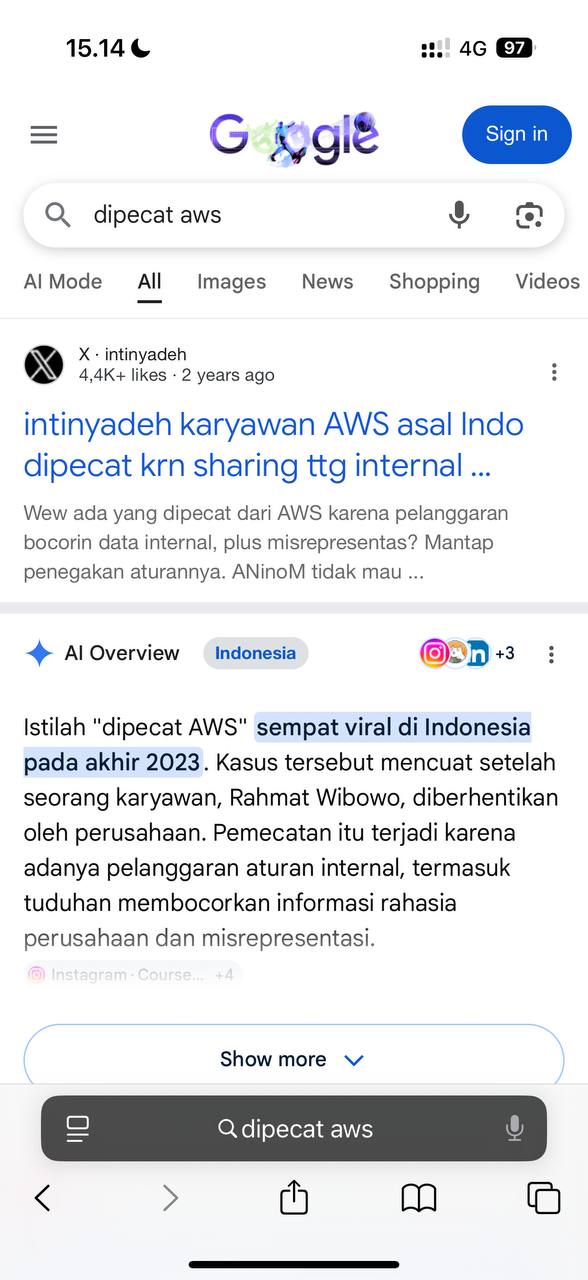
Figure 2b. Google's AI Overview summary for the search keyword "dipecat aws" ("fired from AWS"), publicly linking Rahmat Wibowo's name to it, included as independently verified evidence of reputational impact.
Exhibit C: The post on "liabilities if I share the list"
Claim: "Per the legal advice I received, there will be liabilities if I share the list publicly... The list has to remain private, but I encourage leaders to maintain their version... as a fiduciary duty."
Fallacy: Special pleading. Ibam claims his own list must stay secret to avoid legal risk, while in the same breath urging other leaders to create and act on similar lists as a "duty". The standard he applies to himself (not disclosing information to avoid consequences) differs from the standard he asks others to apply (building the same mechanism and using it). This is aggravated by a second fallacy, an appeal to an unverifiable authority ("per the legal advice I received").
Why it fails: A rule used to justify one's own behaviour must apply generally. Applying it selectively signals that the "rule" is really a rationalisation, not a principle.
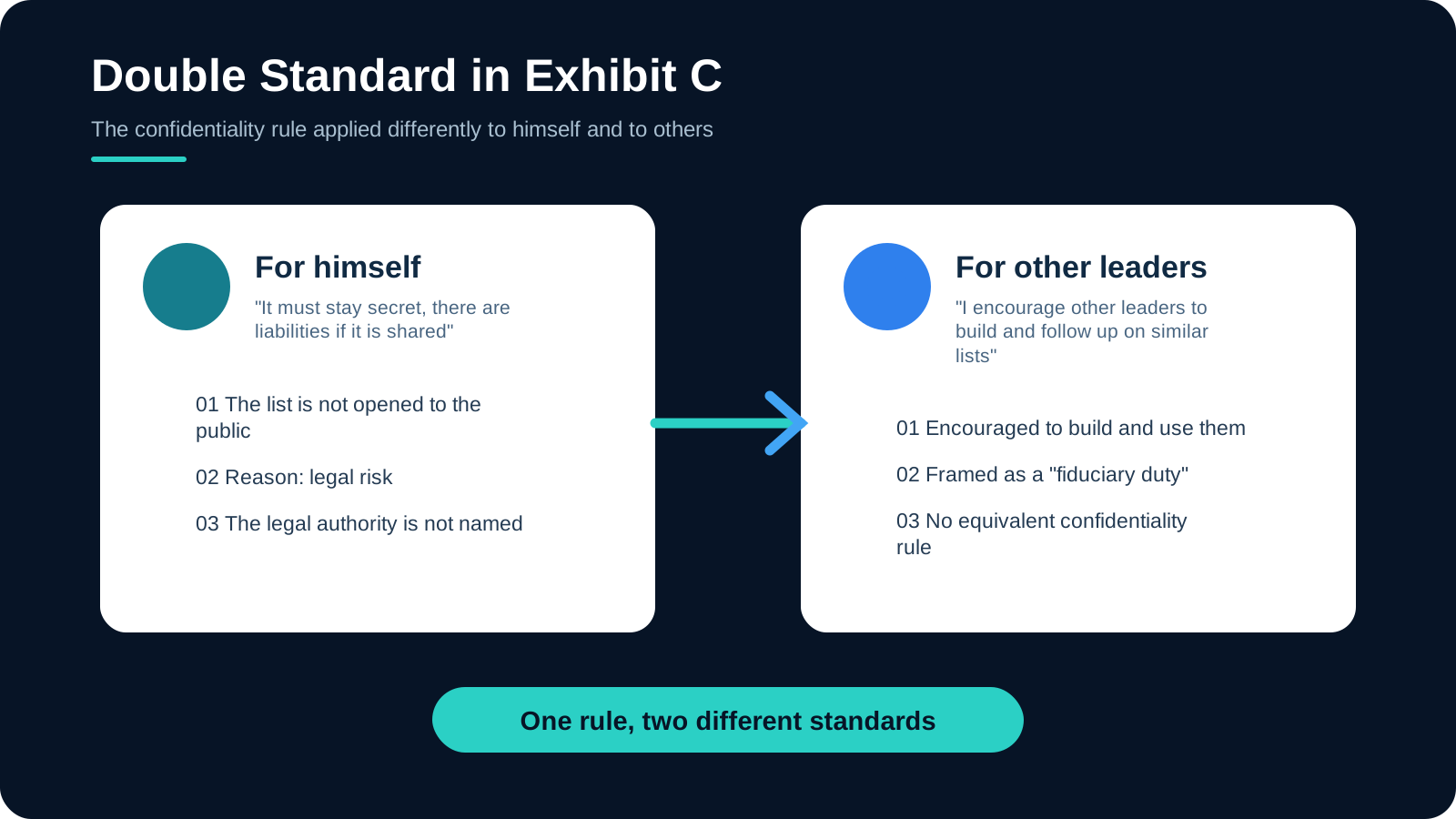
Figure 3. A comparison of the rule applied to himself versus the one he encouraged for others.
Exhibit D: The legal-threat reply to a critic
Claim: "Karena hanya saya yang ngga anonim, apakah memang ini ancaman yang ditujukan untuk pribadi saya? Pasal 45B UU 19/2016 bisa saya berlakukan di sini. I'll have my lawyer on stand by. Hati2 kalau mau bawa2 hukum, kalau tidak paham bisa backfire." (In English: "Because I am the only one who is not anonymous, is this a threat aimed at me personally? I can invoke Article 45B of Law 19/2016 here. I'll have my lawyer on stand by. Be careful about bringing the law into this; if you don't understand it, it can backfire.")
Fallacy: Argumentum ad baculum (appeal to a threat). Instead of rebutting the substance of the criticism, this reply replaces argument with a threat of legal consequences. The statement also contains a false equivalence, equating public criticism of conduct in a public dispute with defamation in the legal sense, without addressing the truth defence that applies in Indonesian defamation law when the underlying claim is proven true.
Why it fails: A threat of legal action is not a rebuttal. It changes the risk of speaking, not the truth of what is said. The closing sentence, "if you don't understand it, it can backfire", is itself a specific claim that, as Section 4 of this report shows, proved true, but fell back on the speaker and not on his critics.
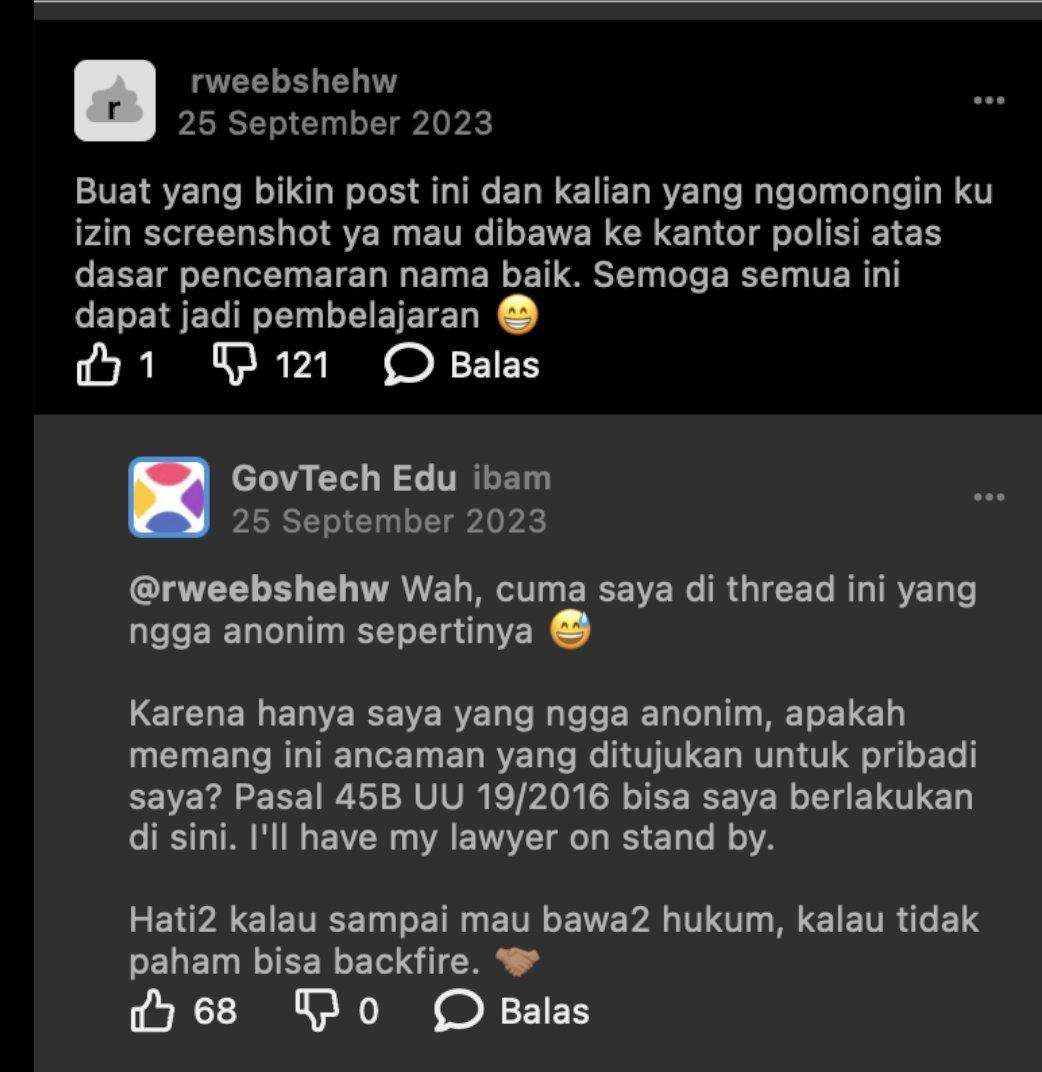
Figure 4. "Be careful about bringing the law into this; if you don't understand it, it can backfire," he wrote while switching on his own danger signal. Some prophecies are most accurate when aimed at a mirror.
Exhibit E: A capability assessment on social media
Claim: "I think people are overestimating his capability. He's not a prodigy and not even remotely capable of doing a fraction of what AWS is doing."
Fallacy: False authority / unqualified testimony delivered as if it were an expert assessment. Ibam was never Rahmat Wibowo's supervisor, colleague, or performance evaluator (a fact independently confirmed in the counter-campaign material, which states clearly: "Ibrahim Arief is not Rahmat Wibowo's supervisor, never had an employment relationship, never led him, never evaluated his performance"). A person with no basis of observation whatsoever issues a specific verdict on capability as if it were an insider's assessment.
Why it fails: Testimony about competence is worth as much as the witness's actual access to the work being judged. Zero access should produce zero confidence, not a public verdict.
Independent corroboration (public LinkedIn work and education history): The public LinkedIn profiles of both parties confirm that there was never any overlap of company, team, or reporting line between them. Ibam is listed as CTO of GovTech Edu (Oct 2020-Jul 2024), an individual consultant to the Ministry of Education, Culture, Research, and Technology (Kemendikbudristek) (Jun-Oct 2020), holder of a Bachelor of Informatics from ITB (2003-2008), and a Master's from Erasmus Mundus in Computer Vision in Finland/France/Norway (2009-2011), while Rahmat Wibowo's history covers Pertamina Marine Solutions, Xendit, AWS, and companies in Vietnam, Australia, and Germany, with no institutional meeting point with Ibam in any period. Both histories are listed as they are, as public data anyone can re-check, not as a ranking comparison.
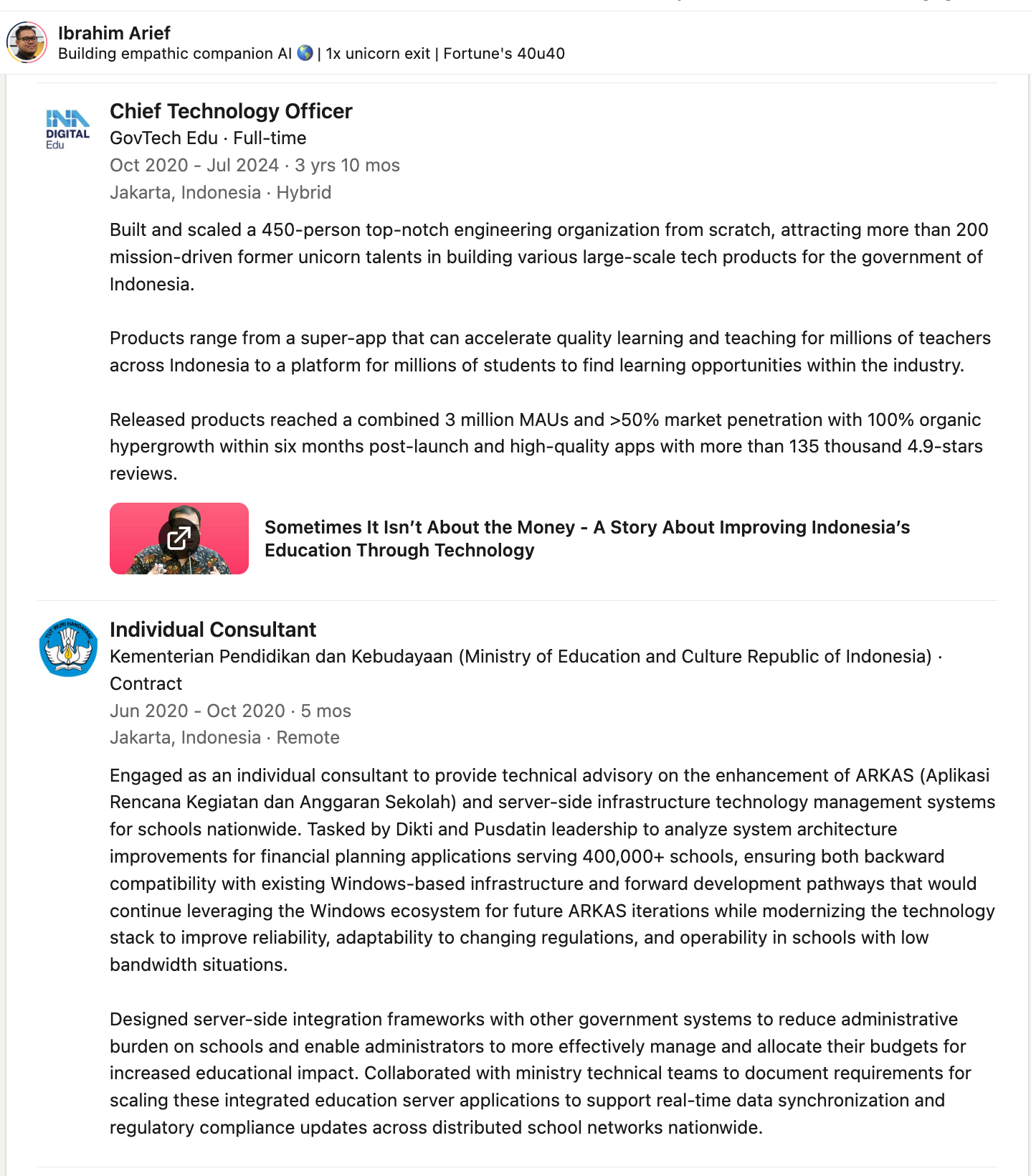
Figure 5a. Ibrahim Arief's public LinkedIn work history, included as a factual comparison, not an assessment, of the basis of observation each party actually has of the other: none.
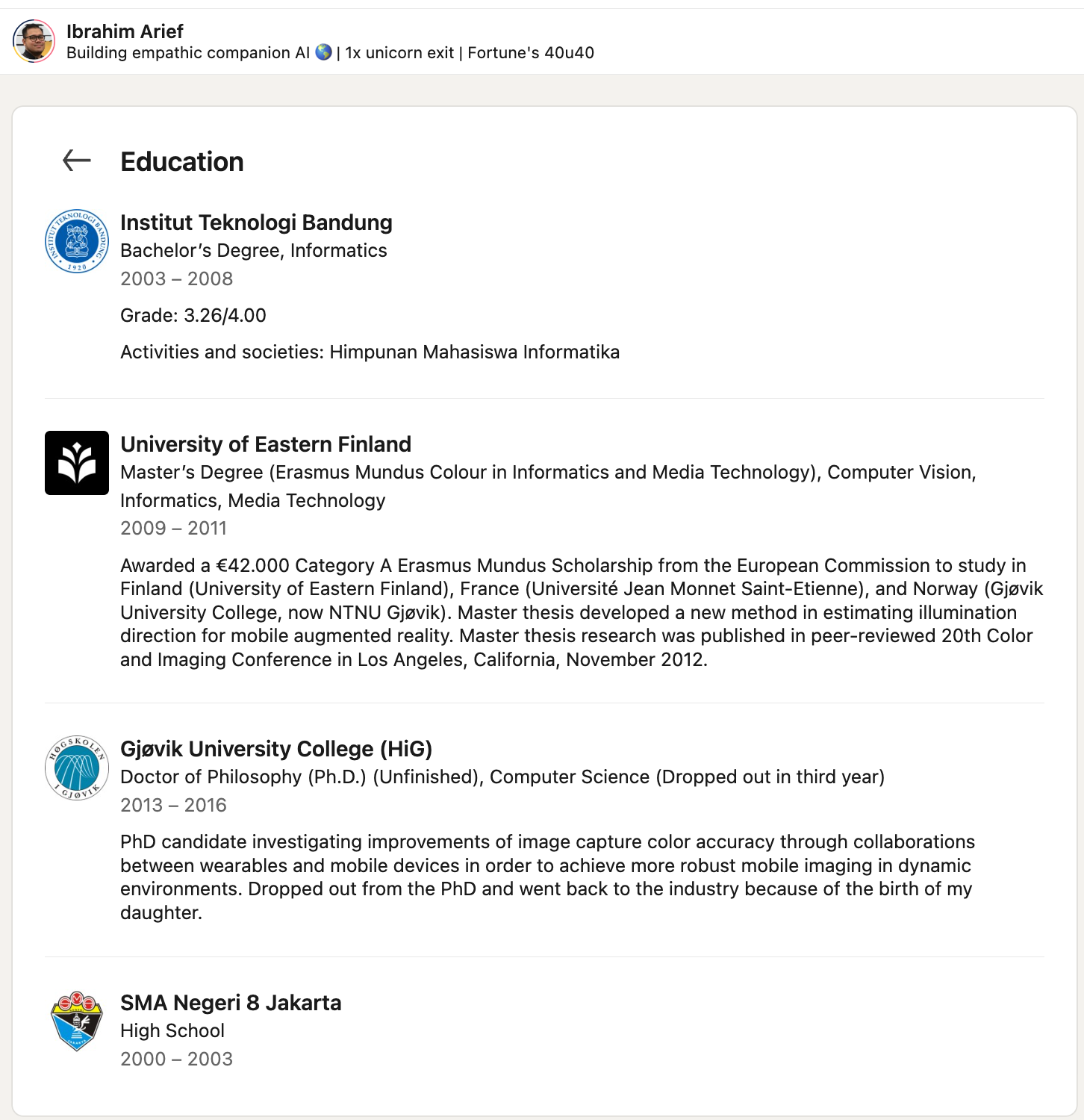
Figure 5b. Ibrahim Arief's public LinkedIn education history, included as complementary factual data.
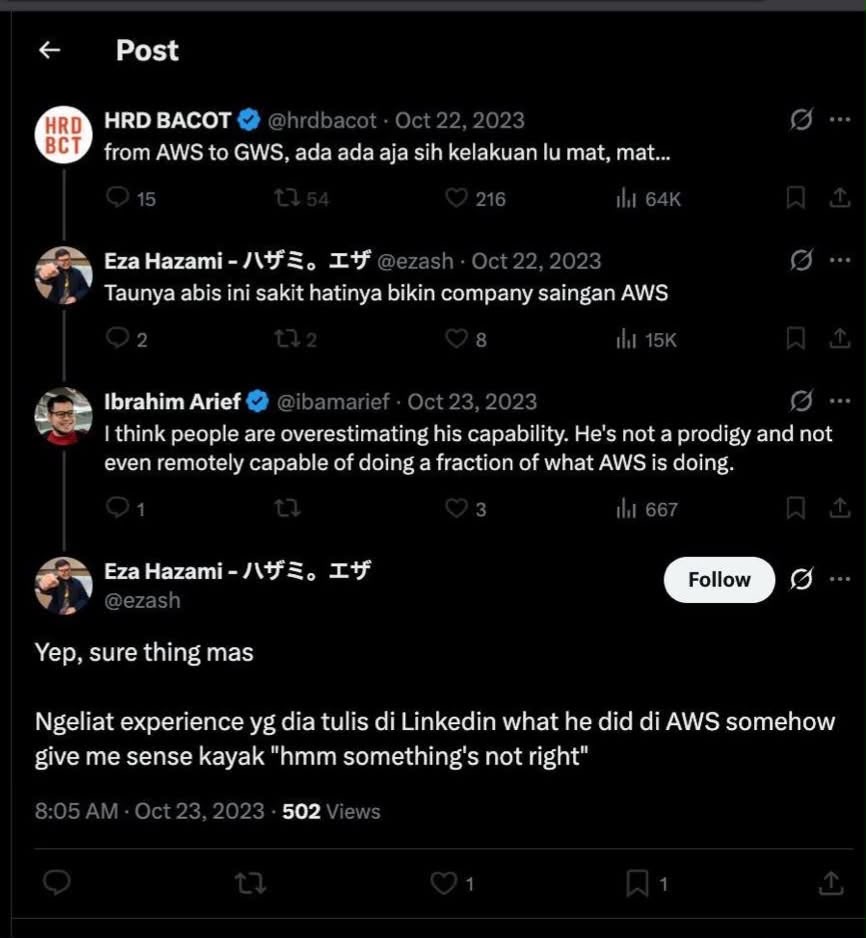
Figure 5. A capability verdict from someone who was never a supervisor, a teammate, or even a spectator of the work being judged. One of his own peers also commented "something's not right", but evidently not about the party being accused.
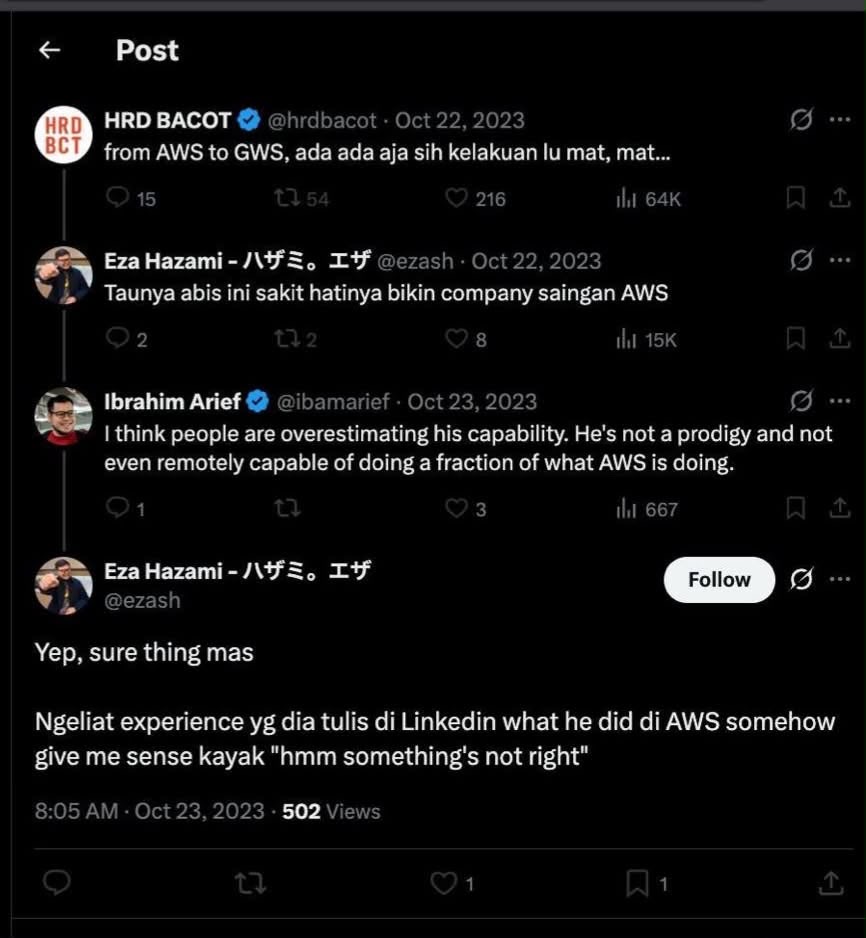
Figure 5c. The full source thread for Exhibit E, showing the original conversational context in which the statement was made.
Exhibit F: The "toxic talent" pre-framing post
Claim: "That person over there was so cocky that I warned him... If it is the same person, I guess my warning was unheeded and things came to pass."
Fallacy: Post hoc ergo propter hoc, together with an unfalsifiable prophecy frame. A generic warning from the past is credited retroactively as having predicted an unrelated later outcome, with no causal mechanism ever explained. The qualifier "if it is the same person" also keeps the claim "true" regardless of whether the identification is accurate, an unfalsifiable structure.
Why it fails: "I warned you this would happen" proves predictive ability only if the warning named a mechanism that can be checked against what actually happened. A vague warning followed by a vague bad outcome, linked only by narrative convenience, proves nothing.
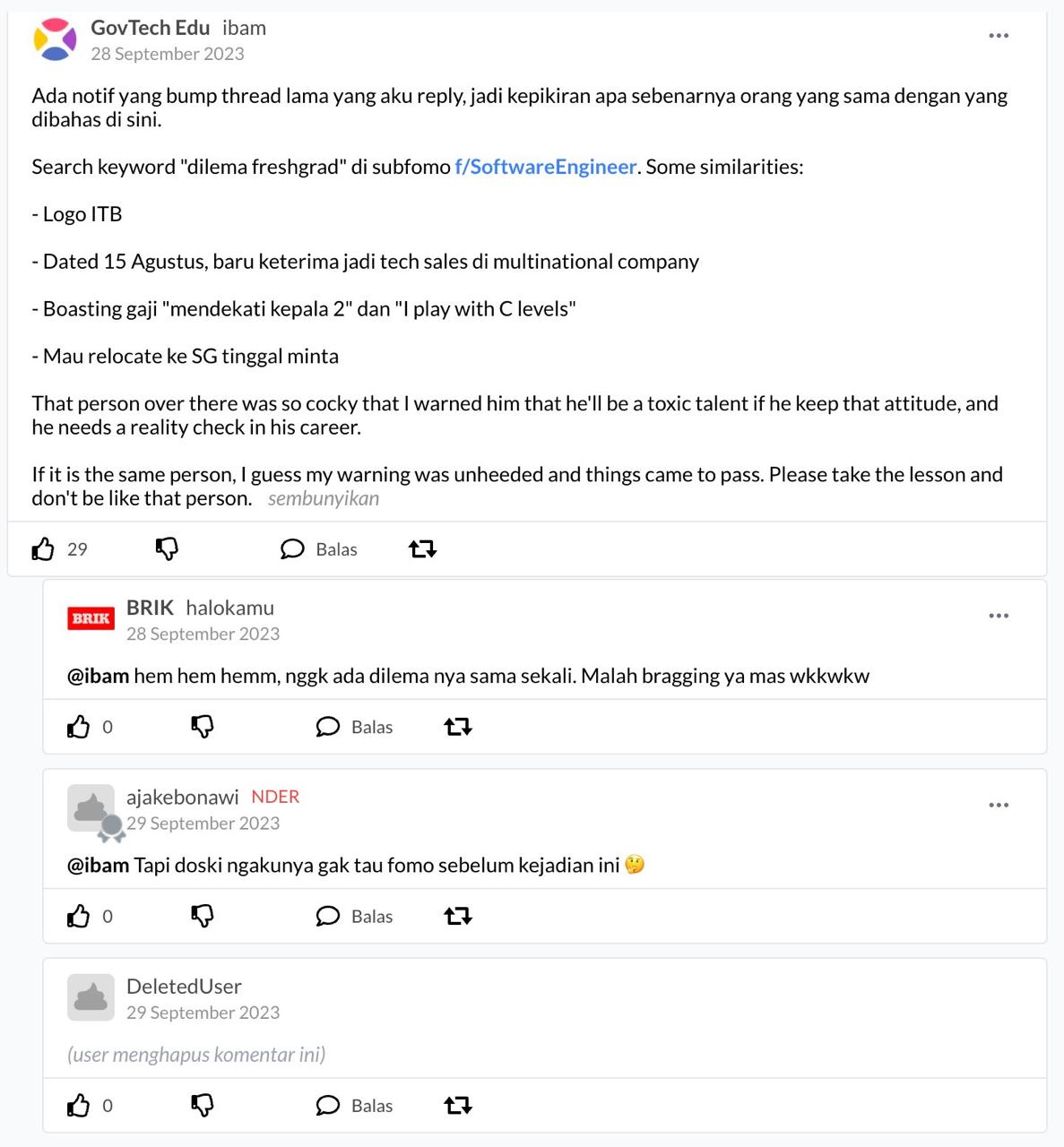
Figure 6. A prophecy so precise that even its author needs the add-on "if it is the same person", the style of prophecy that is always right because it can always be revised after the fact.
Exhibit G: The deadman's switch threat
Claim: "Aku akan sebarkan apa pun, meskipun itu rahasia negara." (In English: "I will spread anything, even if it is a state secret.")
Fallacy: Appeal to fear / a coercive threat that replaces argument, together with a self-defeating claim: the material threatened with disclosure is, by Ibam's own description, protected state-secret information (Law No. 14/2008), which means that disclosing it would itself be a new criminal offence. The counter-argument from the source poster lands precisely on this point: "If the goal is justice, show the facts, not drama."
Why it fails: Threatening to raise the harm to a third party (the state) if personal criticism continues is coercion, not a defence of the conduct in question.
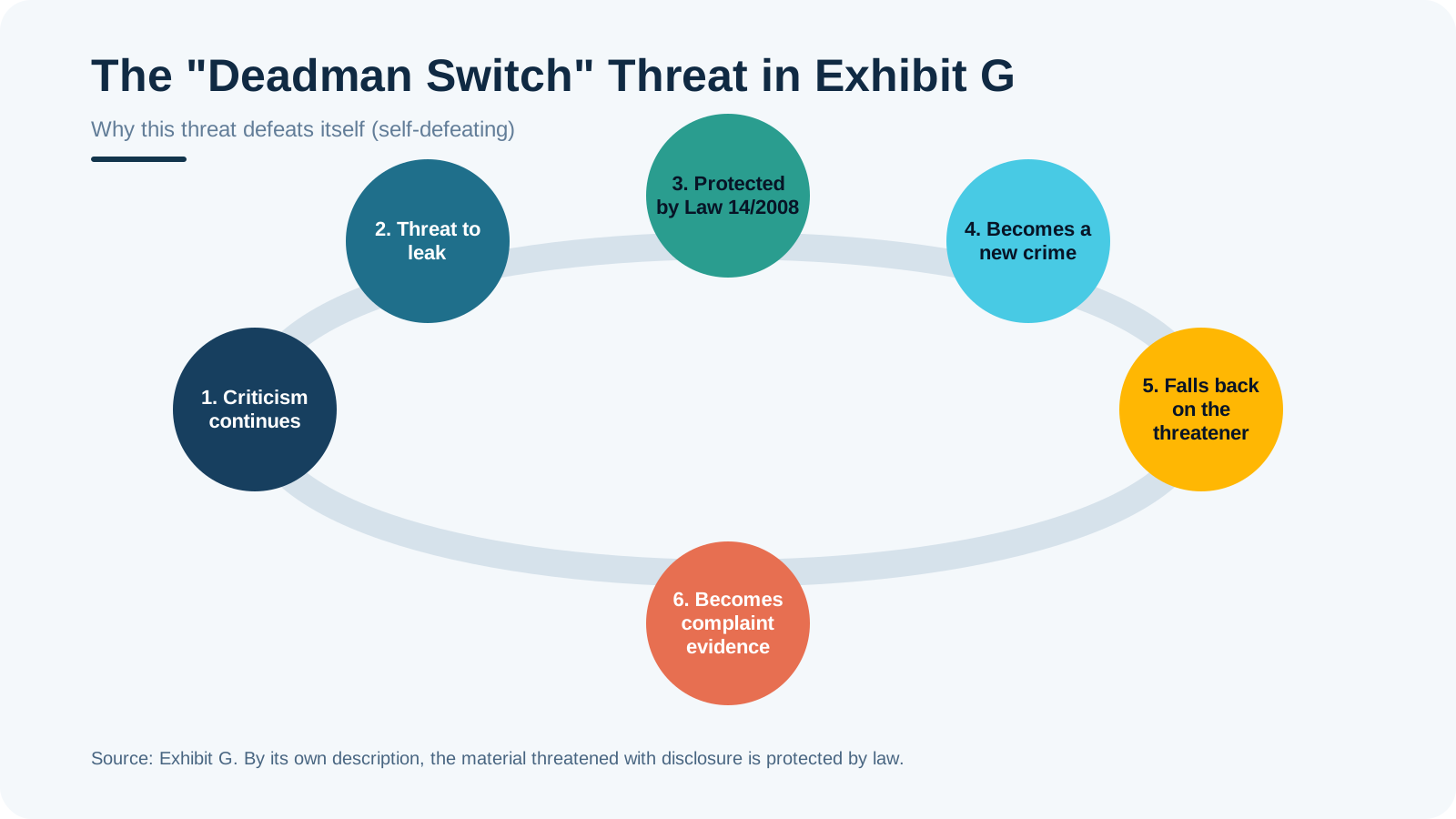
Figure 7. Why the "deadman switch" threat in Exhibit G logically defeats itself.
Exhibit H: Borrowing a big name without permission ("Facebook London")
Claim (implicit, campaigned repeatedly): An offering letter from a UK-based entity was used again and again as a credibility marker in both career material and campaign material. The #KawalIbam campaign material of his own (see Figure 1a, Section 1.1) lists this name as it stands, "Facebook London".
Note on naming: The spelling "Facenook London" is a satirical play on words, used both by the author of this report and independently by other netizens (see Exhibit J) to mock the claim. It is not the name used by Ibam or his campaign itself. The fallacy analysis below still refers to the original spelling "Facebook London" as it appears in his own campaign material.
Fallacy: Appeal to false or borrowed prestige. An offering letter is proof that an offer was made, not proof of being hired, of contributing, or of being endorsed by that entity. Repeating the affiliated name as if it certified competence, when he never worked there, is a prestige-by-association tactic. The summary in the counter material is accurate: "Employment: 0. Contribution: 0. Product: 0. Name mentioned: infinite."
Why it fails: An offering letter certifies only that an offer was made, nothing more. Treating it as an achievement confuses "being selected" with "actually contributing".
Additional allegation (outside the fallacies): Using the name "Facebook" in "Facebook London" without authorisation is alleged to also touch on trademark law, regardless of the fallacy issues above. Meta Platforms, Inc. has an incorporated entity in Indonesia (PT Facebook Consulting Indonesia), so a domestic notification route is possible if the trademark holder wishes to follow up. This is listed as an allegation not yet tested by any authority, not as a proven violation.
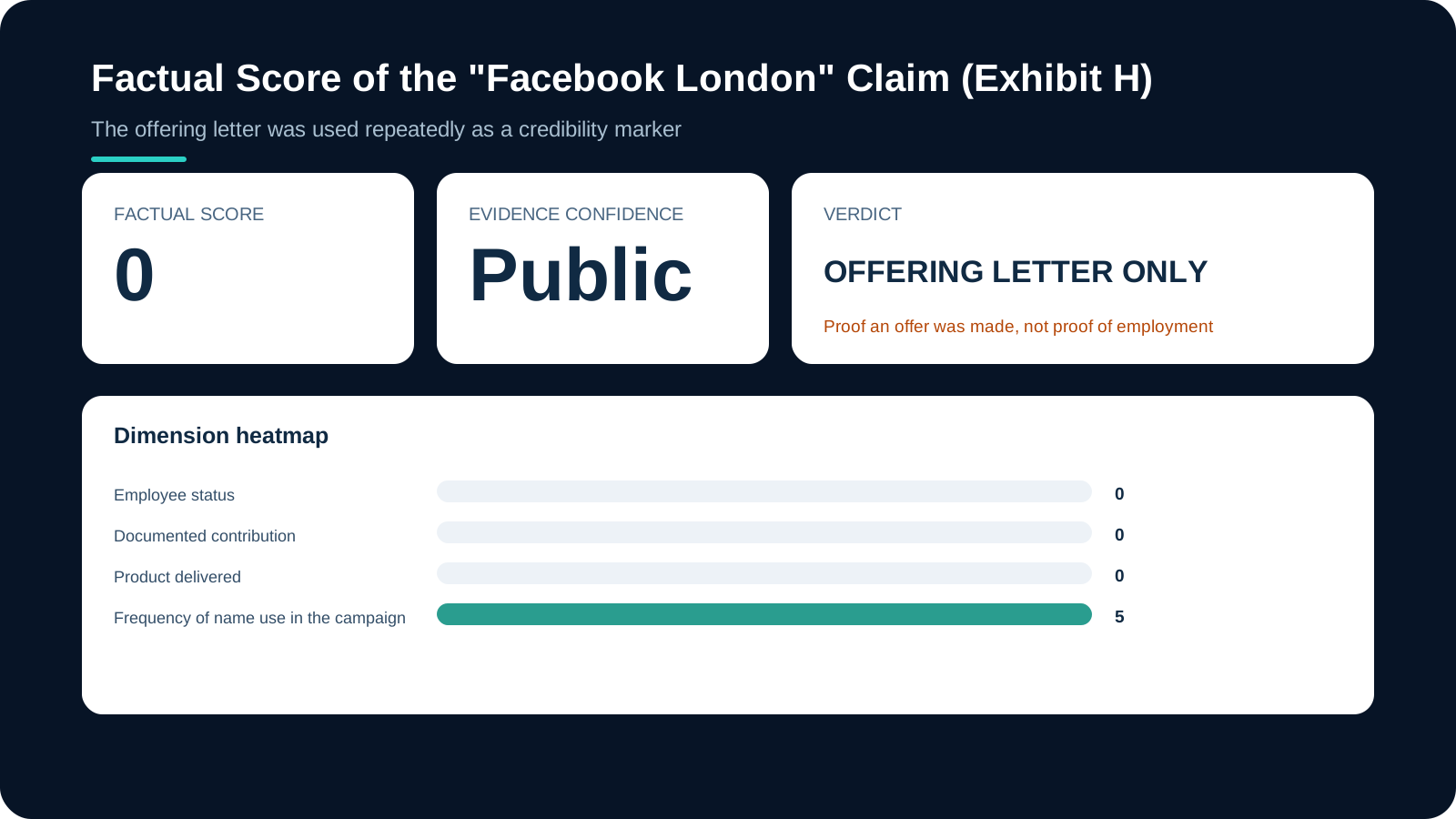
Figure 8. A factual score: employment status, contribution, and product delivered, compared with the frequency with which the name was mentioned in the campaign material.
2.2 Third-party corroboration and the independent record
Exhibit I: No formal apology ever delivered
Independent search-summary evidence states that Ibam "has never formally apologised regarding the legal case that has ensnared him... consistently asserts that he is innocent and feels criminalised."
Fallacy pattern confirmed: DARVO (Deny, Attack, Reverse Victim and Offender). Combined with Exhibits D and G, the pattern is: deny the wrongdoing, attack the critic with a legal threat, and reframe the party facing legal proceedings as the one who is actually wronged. This is a documented rhetorical/psychological pattern, not a classic syllogistic fallacy, but it functions as an argumentative move that replaces engagement with the real charge with emotional framing.
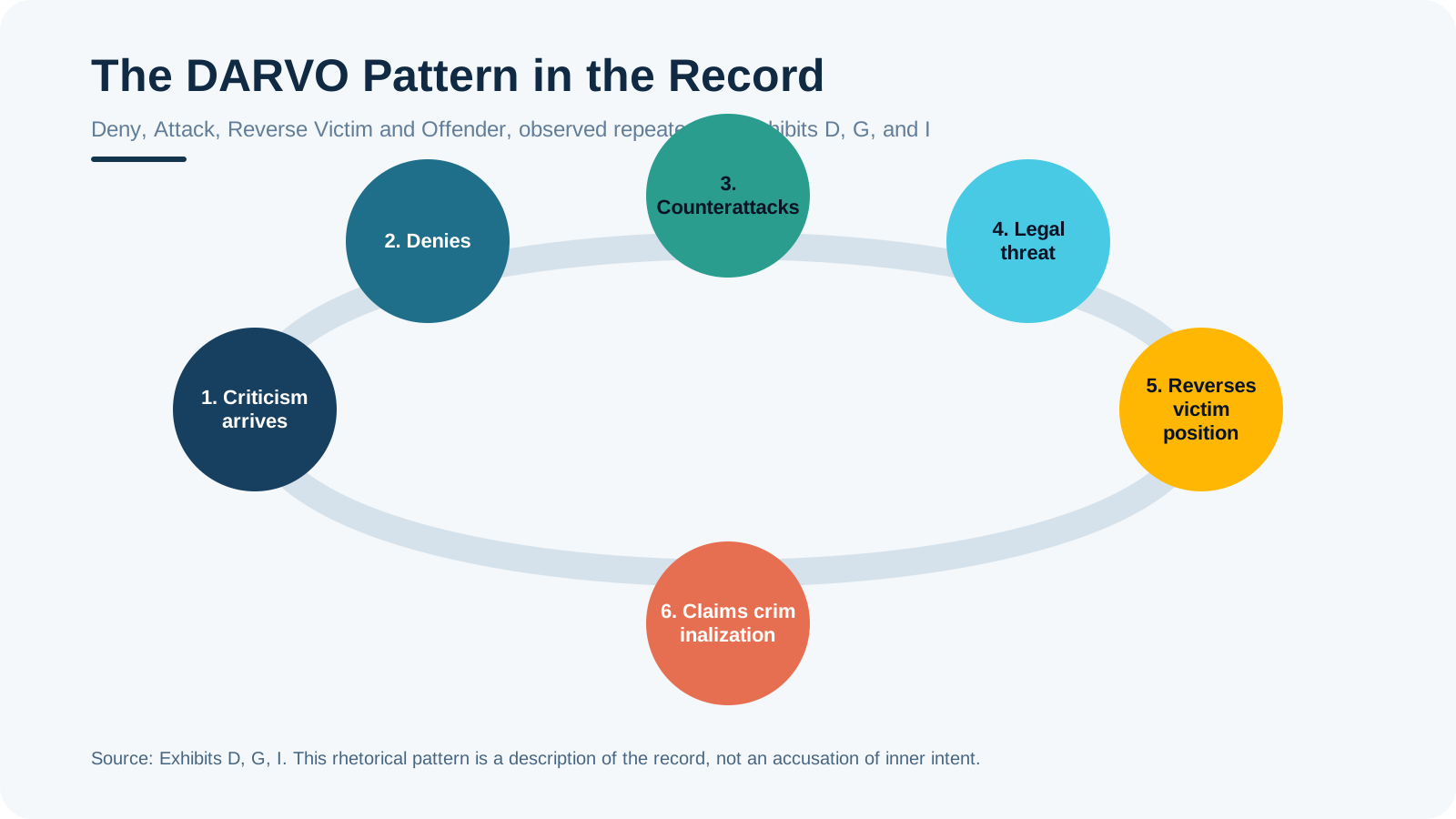
Figure 9a. The sequence of the DARVO pattern observed in Exhibits D, G, and I, presented as a description of the rhetorical record, not an accusation of inner intent.
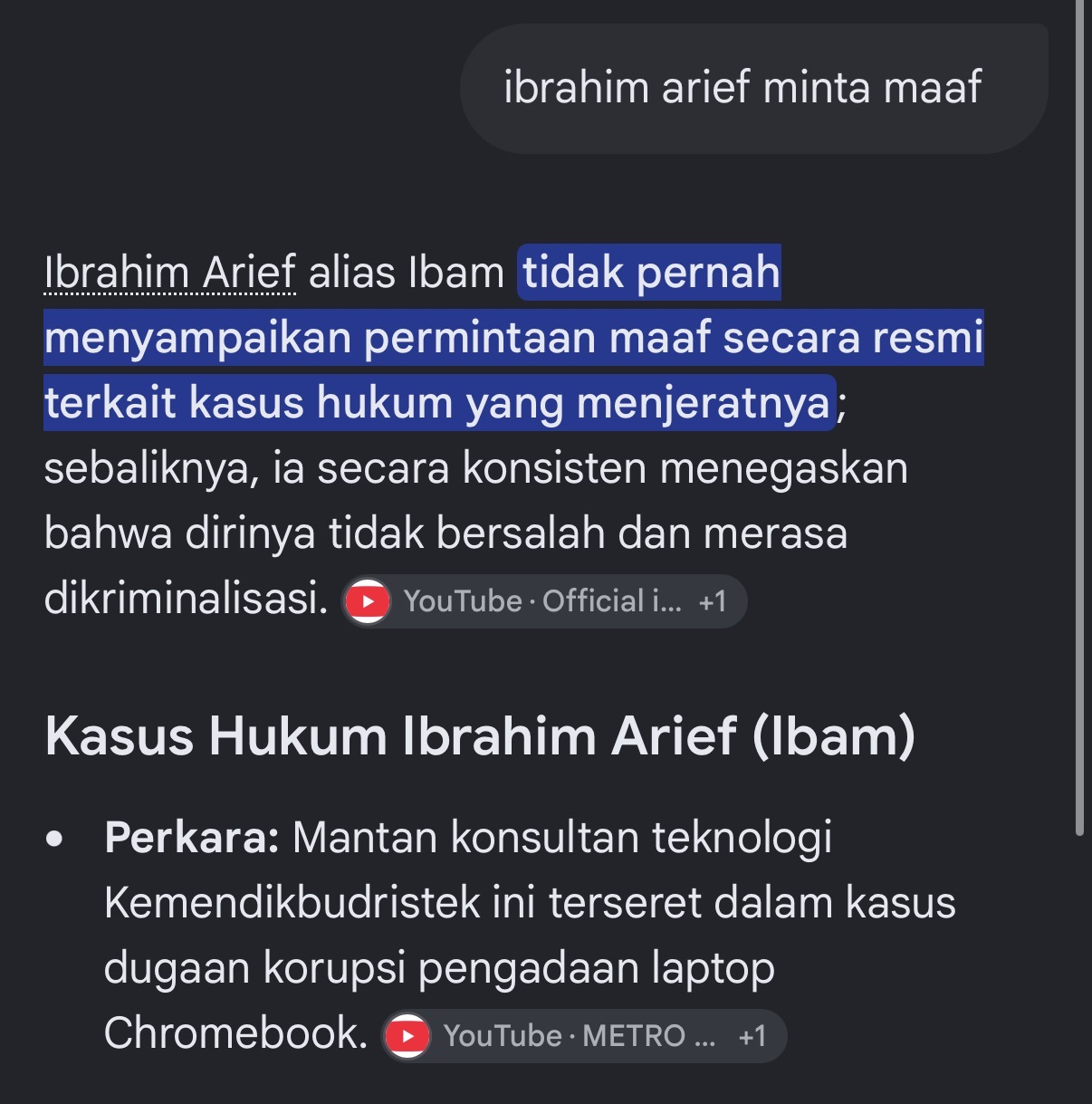
Figure 9. A fairly clear public record: no formal apology, only full consistency in claiming to be criminalised. A steadfastness that, unfortunately, is aimed at the wrong premise.
Exhibit J: Mockery from fellow colleagues on social media
Ibam's own acquaintances independently mocked the "Facenook London" claim on social media ("This guy seriously needs help. He's just making himself unemployable"; "Ini orang yg bikin konten abis dapet offering letter Facenook London itu bukan yah? ... Betul sekali mz", in English: "Isn't this the guy who made content after getting that Facenook London offering letter? ... Exactly right, sir"). This is not campaign material produced by Rahmat Wibowo's side. These are unsolicited third-party comments that independently reinforce the weakness in Exhibit H.
3. Taxonomy of Fallacies: Frequency and Pattern
| Type of fallacy | Appears in | Function in the defence |
|---|---|---|
| Appeal to an unverifiable authority | Exhibits A, C | Builds confidence without support that can be checked |
| Argumentum ad baculum (appeal to a threat) | Exhibits D, G | Replaces a rebuttal with a threat |
| Guilt by association / poisoning the well | Exhibit B | Discredits the target through an unrelated and unexplained association |
| Special pleading | Exhibit C | Applies a confidentiality rule to himself, but not to others whom he urges to do the same |
| False / unqualified authority | Exhibit E | Issues a competence verdict with no basis of observation at all |
| Post hoc ergo propter hoc | Exhibit F | Credits a vague warning as a prediction of an unrelated outcome |
| Appeal to false prestige | Exhibit H | Replaces real contribution with nothing more than an offering letter |
| DARVO framing / reversal of the victim's position | Exhibits D, G, I | Reframes the party facing legal proceedings as the one who is wronged |
| Non-sequitur (facts that could be opened but are not) | Exhibits D, G | Refuses to open court facts that are in fact public while claiming to be criminalised, without explaining why the cheaper and more conclusive evidence is held back |
| Bandwagon / substituting testimony for fact | The #KawalIbam campaign in general | Public support ("I believe in Ibam!", "Stay strong Ibam!") is generated and quoted as if it were evidence, when it is only opinion |
A pattern, not isolated mistakes. Ten different kinds of fallacy recur within a dense span of time, seven weeks (September-November 2023). Not one of those fallacies involves the only kind of evidence, the public court record, that Indonesian courts have in fact already allowed to be opened. The consistent substitutes for that evidence are signals of authority, threats, and reframing.
3.1 Independent technical audit of the campaign site
As an additional note that is technical and verified (not opinion), an independent Google PageSpeed Insights audit of kawalibam.org on 7 September 2026 recorded a performance score of 81/100 (mobile) and 77/100 (desktop), with Core Web Vitals status "Failed" because of a Cumulative Layout Shift of 0.71. As a comparison of technical data only, the same audit of infraloka.co.id on the same date recorded 94/100 (mobile) and 99/100 (desktop). Both figures are listed as they are, as technical data that anyone can re-check through PageSpeed Insights, not as an assessment of the ability of the personnel involved with either site.
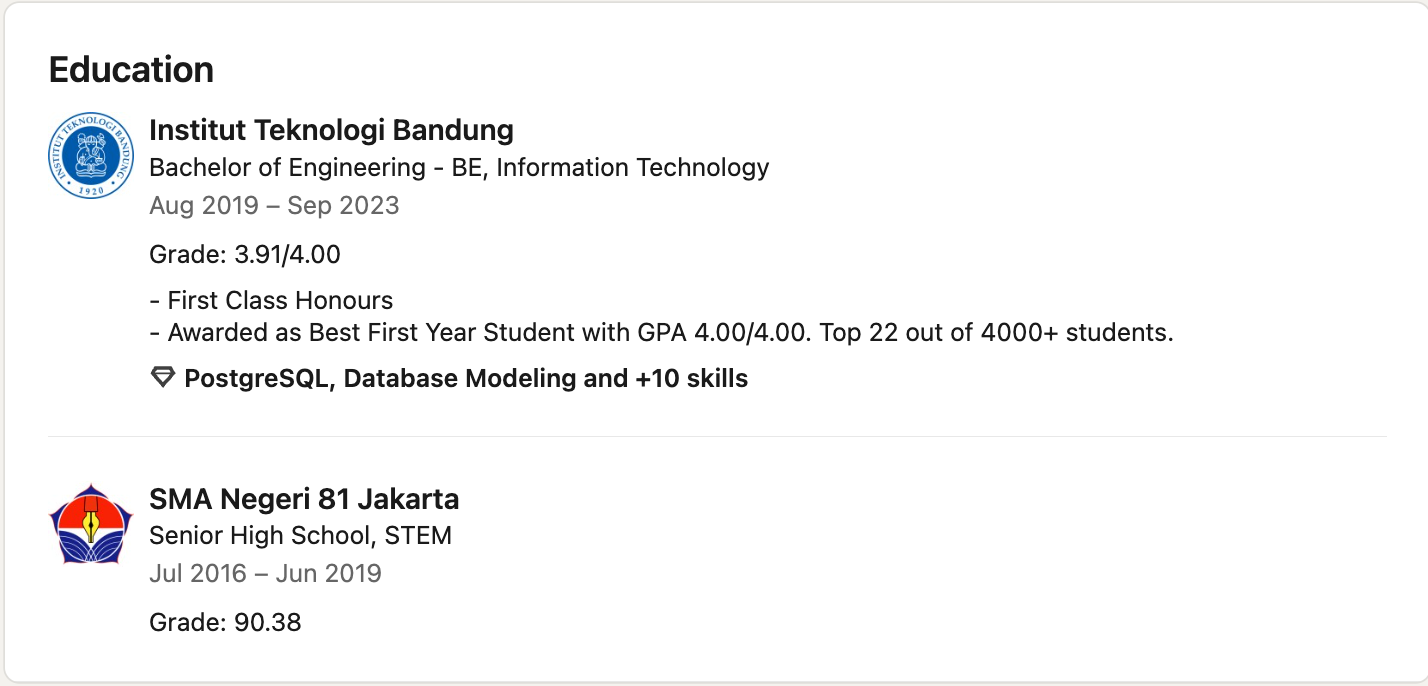
Figure 3a. kawalibam.org, mobile, 81/100, Core Web Vitals failed on CLS.
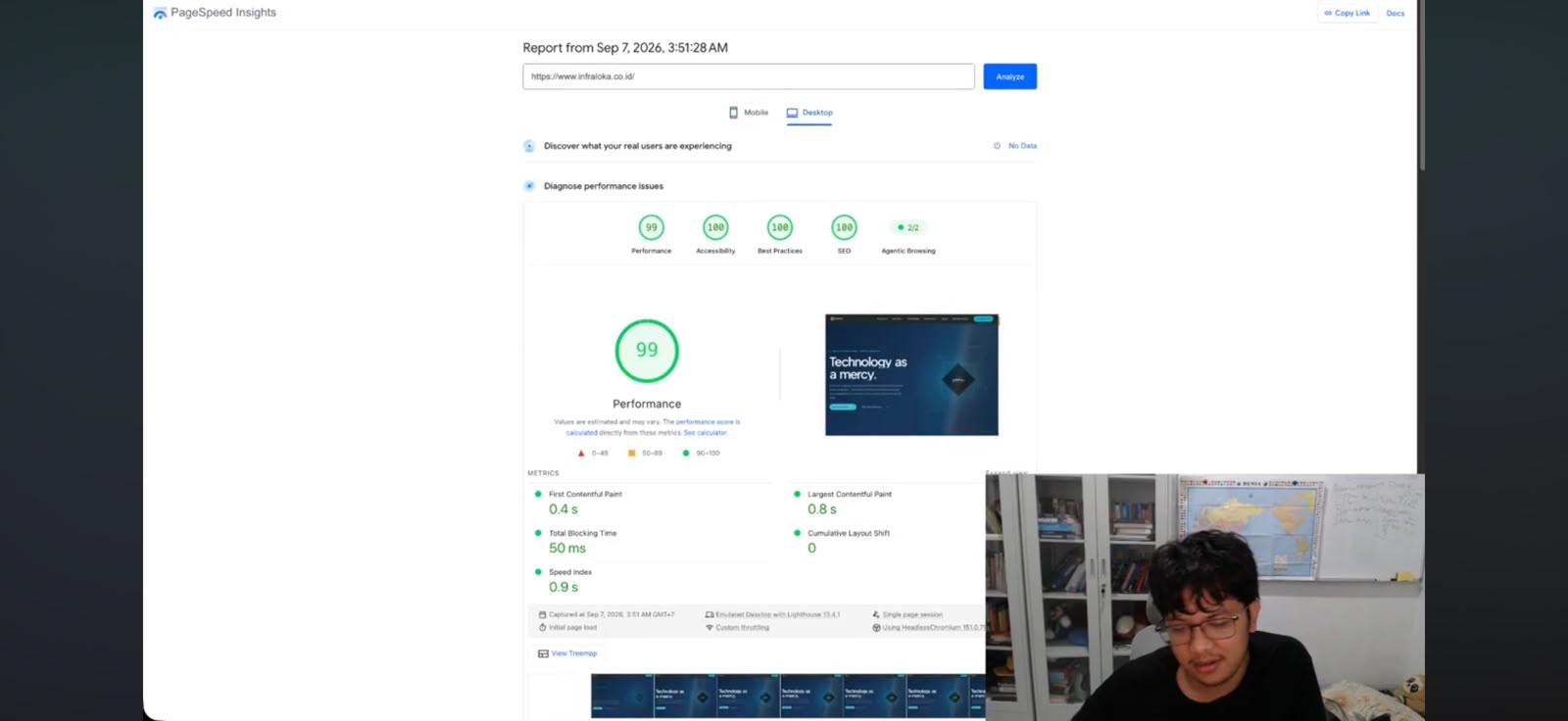
Figure 3b. infraloka.co.id, desktop, 99/100, technical comparison data.
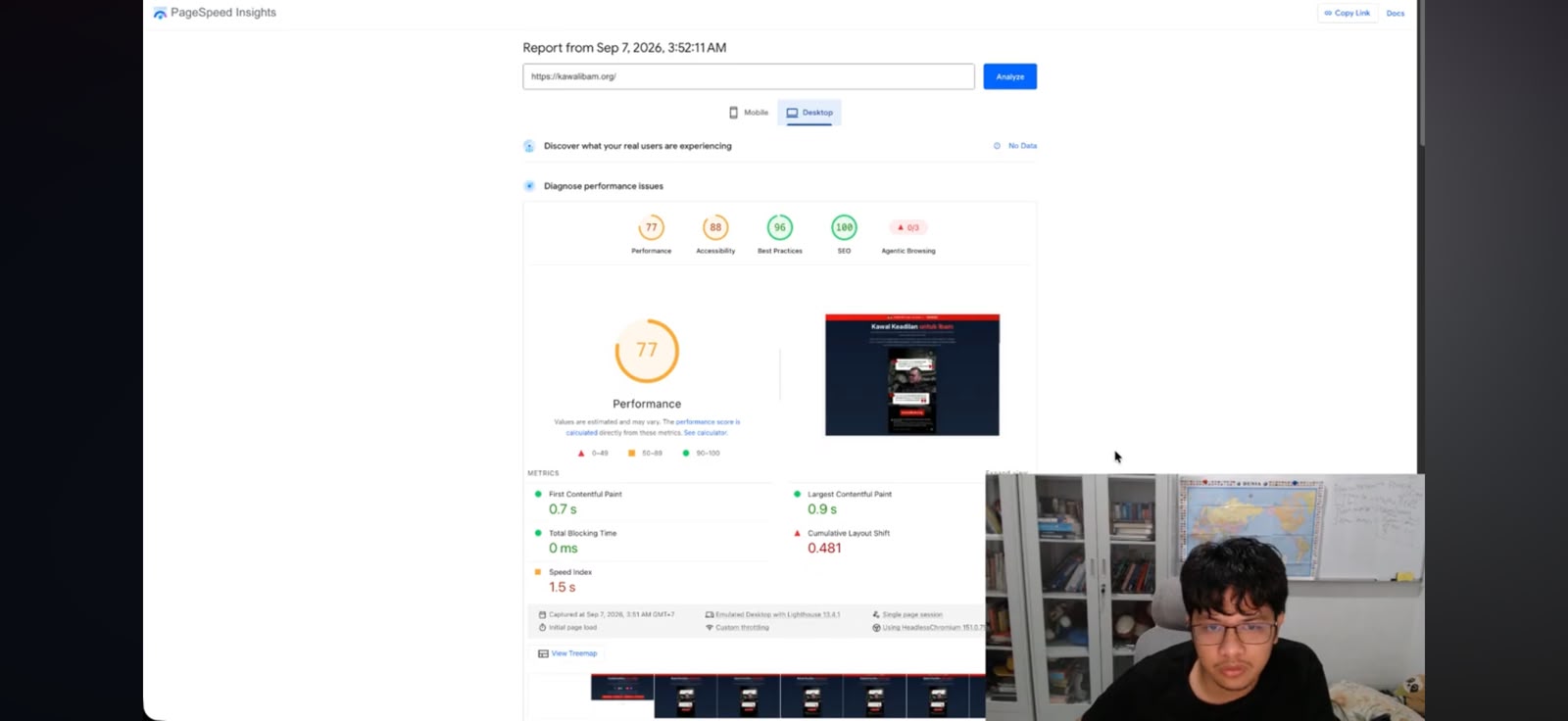
Figure 3c. kawalibam.org, desktop, 77/100.
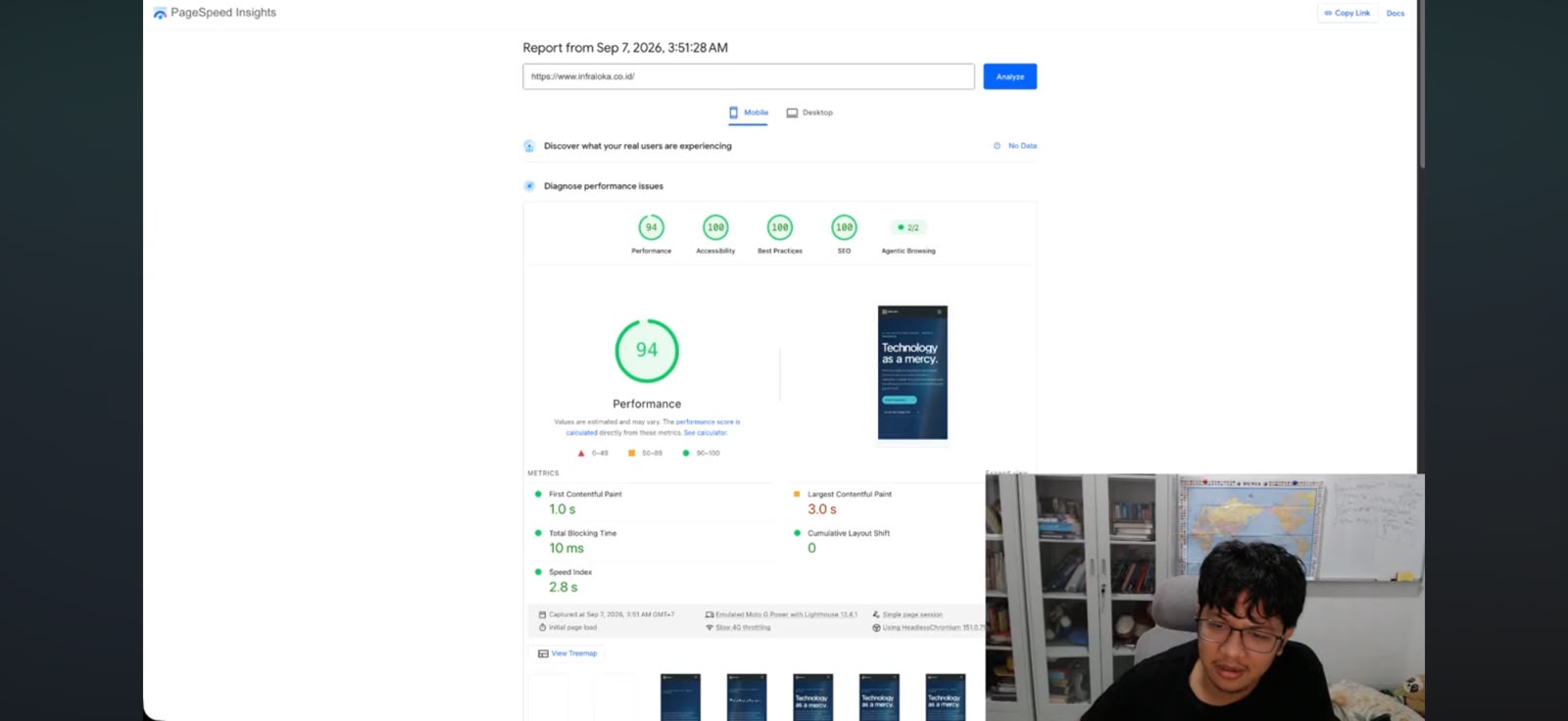
Figure 3d. infraloka.co.id, mobile, 94/100.
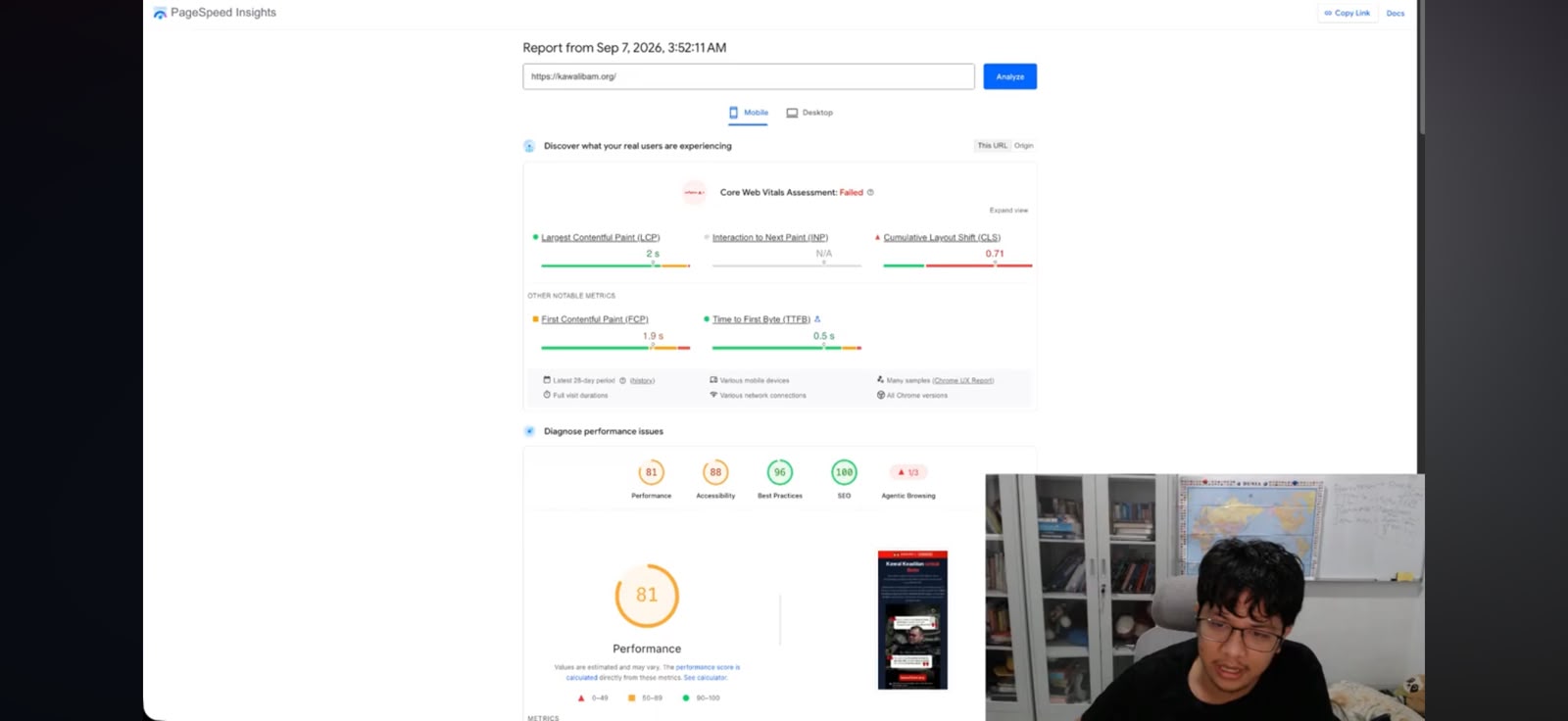
Figure 3e. Second capture, same audit session (mobile, kawalibam.org).
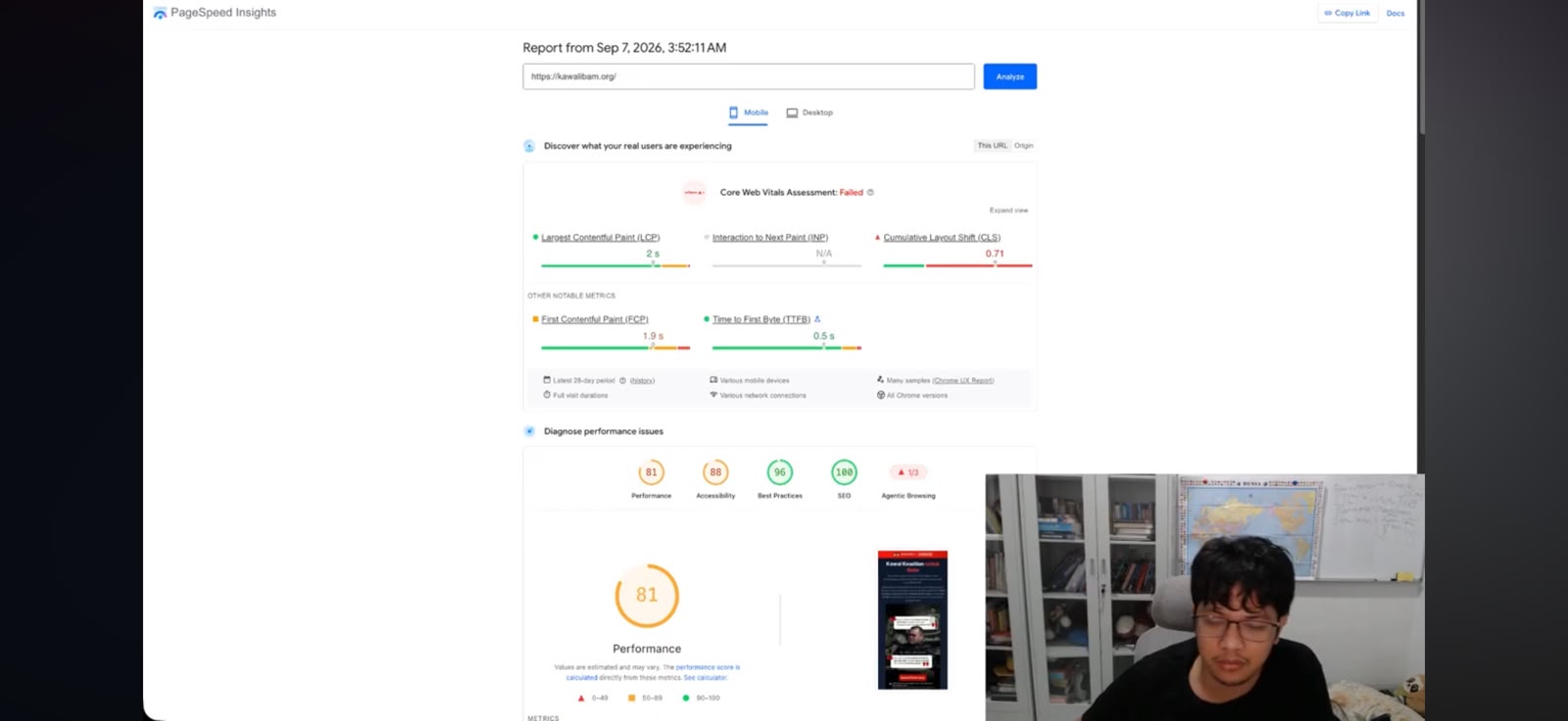
Figure 3f. Third capture, same audit session (mobile, kawalibam.org).
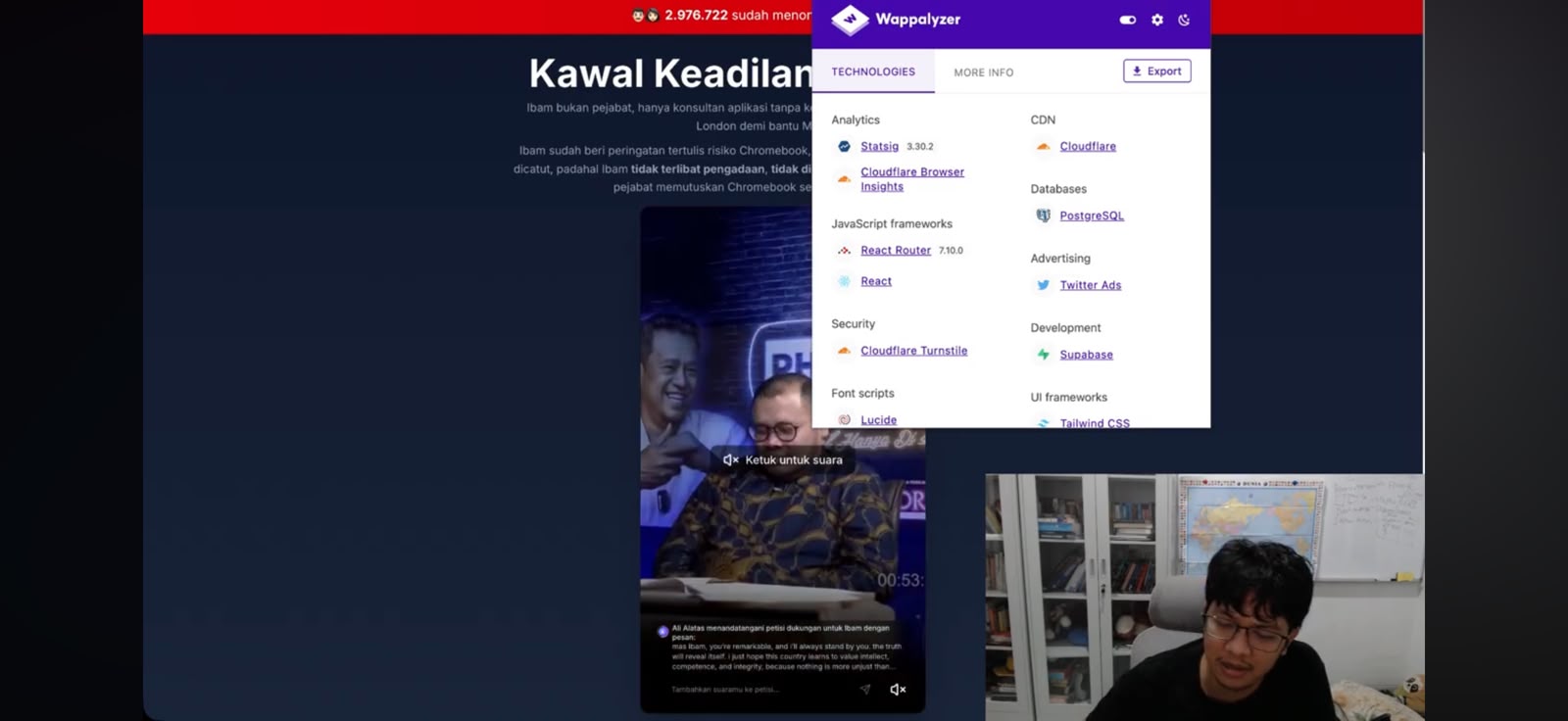
Figure 3g. Technology stack detection (Wappalyzer) for kawalibam.org.
4. Consequences ("Karma"): A Factual Chronology
This section reports what the record shows afterwards. It is presented as a chronology of documented, traceable outcomes, not moral commentary, and readers should treat the term "karma" as a description of the framing used by the source material itself, not as an independent judgment by this report.
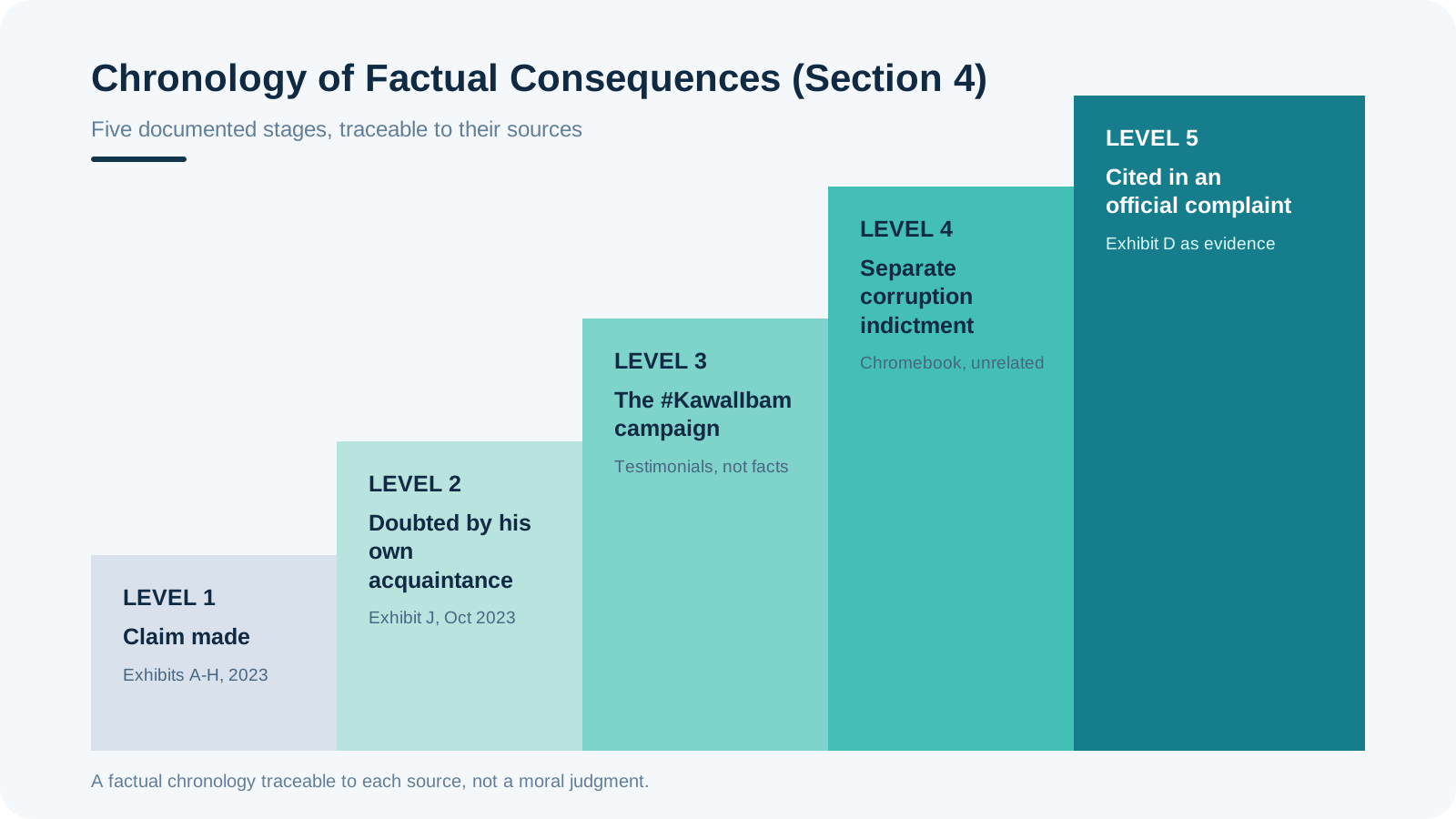
Figure 11. A documented five-stage chronology, from the initial claim to becoming evidence in an official complaint.
| Time | Event | Direct link to the fallacious claims above |
|---|---|---|
| Oct 2023 | Another third party joined in on the same thread, independently noting that the AWS experience he wrote about on LinkedIn "felt off" | Weakens the basis of observation used by Exhibit E |
| Ongoing | The supporting material of the #KawalIbam campaign itself is largely composed of testimonials, not facts of the case, a weakness explicitly named by the counter-campaign material ("It's just testimonials from people. Opinions, no facts.") | A campaign built to rebut the criticism repeats the same evidentiary gap that the criticism pointed out |
| Separate | Ibam separately became a defendant in the alleged corruption case over the Chromebook laptop procurement, unrelated to the dispute with Rahmat Wibowo | Not caused by the fallacies above; however, the source material treats it as retroactive confirmation of the "playing victim" pattern documented in Exhibit I |
| Ongoing | The legal threat in Exhibit D ("if you don't understand it, it can backfire") is cited in the source record as the basis for an official complaint to the KPK/Bareskrim, with Ibam's own statement used as supporting evidence | A threat meant to silence documentation became the documentation itself |
A note of caution on the rhetoric of the source material itself. Several counter-campaign posters reviewed here (the contrast "The Arrogant King vs. Staying Humble", the Pharaoh/"Ibangsat" imagery, the "Begawan Parasurama" framing) use the same amplifying devices, hero-versus-villain imagery, moral dichotomy, escalating imagery, which in fact make #KawalIbam testimonials weak as evidence. A factual complaint rests on the exhibits in Section 2, not on the dramatised poster series. Any official filing should lead with Exhibits A through J and treat the illustrated posters as commentary, not evidence.
5. Independently Verified Public Context
This section separates two things that are often mixed together in public discourse around the #KawalIbam campaign: (a) the criminal case that has become an official court record, and (b) the personal dispute between Rahmat Wibowo and Ibrahim Arief that runs separately. Both are presented here in a balanced way, with the sources for each listed so readers can check for themselves.
5.1 The Chromebook case: the public record from the press and the courts
Apart from the personal dispute above, Ibrahim Arief held the status of defendant, and then convicted person, in the alleged corruption case over the procurement of Chromebook laptops and Chrome Device Management at Kemendikbudristek for 2019-2022, with alleged state losses of around Rp1.9 trillion. Several facts that have been widely reported and can be independently verified:
- The Attorney General's Office named him a suspect on 15 July 2025, together with three other suspects from within Kemendikbudristek.
- The public prosecutor demanded 15 years in prison, a fine of Rp1 billion, and restitution of Rp16.9 billion.
- The Corruption Court found him guilty, with a split bench: it still declared him guilty, but some of the judges held that there was no malicious intent (mens rea) in his conduct, a ruling directly relevant to the actus reus/mens rea framework discussed in Section 13 of the companion report ("Important Legal Terms").
- The High Court increased the sentence on appeal to 5 years in prison with a fine of Rp500 million.
- The public prosecutor (Roy Riady) stated at trial that Ibrahim Arief was paid Rp163 million per month for his post as a consultant, a figure which, according to a judge's statement when questioning a witness, was two to three times the salary of a ministry special staff member in the same period.
What needs to be underlined. The Chromebook case stands on its own and is not legally related to the personal dispute with Rahmat Wibowo. This report lists it as public context that has been decided by a court, not as additional evidence in that personal dispute, and the presumption of innocence continues to apply in full to every case that is not yet legally binding (inkracht).
5.2 The personal dispute: the legal basis cited in the formal complaint
Separately from the Chromebook case, Rahmat Wibowo has prepared a formal complaint over the pattern of statements in Section 2 above (an internal document, "analisis kasus.md", prepared independently on the basis of Article 108 of the Criminal Procedure Code, KUHAP). The legal basis cited in that complaint is presented here as a summary and not as a verdict:
| Alleged violation | Legal basis | Maximum penalty |
|---|---|---|
| Defamation through electronic means | Articles 433 jo. 441 of Law No. 1/2023 (the new KUHP) | 9 months + 1/3 aggravation, category II fine |
| Slander | Article 434 of Law No. 1/2023 | 3 years, category IV fine |
| Intimidation through an electronic system | Article 45B of Law No. 1/2024 (ITE Law) | 4 years, fine of Rp750 million |
| Obstruction of access to justice for persons with disabilities | Articles 145 jo. 143 letter r of Law No. 8/2016 | 2 years, fine of Rp200 million |
Efforts at settlement outside the criminal route are alleged to have been made first: three summonses (somasi) were recorded as delivered between April and August 2026, and the third summons, on 31 August 2026, is alleged to have received no response by the deadline given.
The legal status of this basis. The table above summarises the articles that were cited in the complaint, not articles that have been decided by a court. As Section 13.3 of the companion report stresses, the term "reported party" (terlapor) is not the same as "suspect", "defendant", or "convicted person"; the legal status of this personal dispute is still running through its own stages and must be read with the presumption of innocence in full force.
6. What a Logically Valid Defence Looks Like
- Name the authority, quote the opinion. If legal counsel was really consulted, say who, and what was said on the specific point in dispute.
- Answer the claim, not the messenger. A threat of action under Article 45B/the ITE Law addresses the risk of speaking, not the truth of what is said.
- Open the facts that are in fact already permitted to be opened, court documents, the chronology, and evidence that is public, following the checklist that even the counter-material itself names, instead of a "deadman switch" gesture toward material that, by its own description, is protected by law.
- Apply confidentiality rules symmetrically. A "never-hire list" cannot be at once too sensitive to open and also a model urged on other leaders to adopt and act on.
- Limit competence assessments only to work actually observed. A verdict on a person's ability requires having actually supervised, evaluated, or worked with that person.
7. Legal Literacy: Corruption Offences and Corporate Liability
This section is general education for the public's understanding of the legal framework relevant to the discourse on the accountability of officials and corporate executives in Indonesia. Nothing in this section concludes that the elements below are met in the case of any case, company, or individual discussed in this report.
7.1 Corruption as lex specialis
The provisions on corruption offences in the new KUHP (Law No. 1 of 2023, Part Three of Chapter XXXI) are a further codification of Law No. 31 of 1999 jo. Law No. 20 of 2001 on the Eradication of Corruption Offences (the "Tipikor Law"). Under the general principle of Indonesian law, the Tipikor Law applies as lex specialis derogat legi generali with respect to the general provisions of the KUHP so long as it has not been expressly repealed, so investigators are authorised to test an act against both regimes in parallel.
Article 603 of the new KUHP regulates the penalty for anyone who unlawfully enriches themselves, another person, or a corporation by causing a loss to state finances/the state economy, with a penalty of life imprisonment or a minimum of 2 years up to a maximum of 20 years. Article 604 regulates the element of abuse of authority/position that harms state finances, with a similar penalty. The equivalents in the old Tipikor Law are Article 2 (self-enrichment) and Article 3 (abuse of office).
The official elucidation of Article 603 of the new KUHP states that the element of "causing a loss to state finances" must be proven through an official audit by the Audit Board of Indonesia (BPK), not on the basis of assumptions or estimates by any party, including the reporter.
7.2 When a corporation can be held criminally liable
The new KUHP regulates the criminal liability of corporations (Articles 46-49). In general, an offence by a corporation can be held against it only if one of five conditions is met: (a) it falls within the scope of the corporation's business, (b) it unlawfully benefits the corporation, (c) it is accepted as corporate policy, (d) the corporation did not take the necessary preventive steps, and/or (e) the corporation allowed the offence to occur. Liability can be imposed on the corporation itself as well as on managers with a functional position, those who gave the orders, or those who hold control (Article 49). A criminal fine for a corporation is imposed at a minimum of category IV or the equivalent of Rp200 million (Article 121 paragraph 1).
7.3 Why this proof is difficult and slow
The requirement of an official BPK audit and the five elements of corporate liability above explain why corruption cases generally require a long investigation period, rather than mere allegations of state loss. For the public following the discourse on executive accountability in companies, this is the reason a judgment of "proven corruption" cannot be concluded from initial indications alone, but must await the audit process and formal proof by the competent institutions.
Appendix: Public Professional History (LinkedIn)
This appendix places side by side the work history, education, and certifications of both parties as listed on each one's public LinkedIn profile, quoted as they are without assessment or ranking. Its purpose is solely to meet the principle already stated in Exhibit E: a capability assessment means something only if it comes with a basis of observation that can be checked, and this public history is that basis of observation, not a substitute for it.
Ibrahim Arief
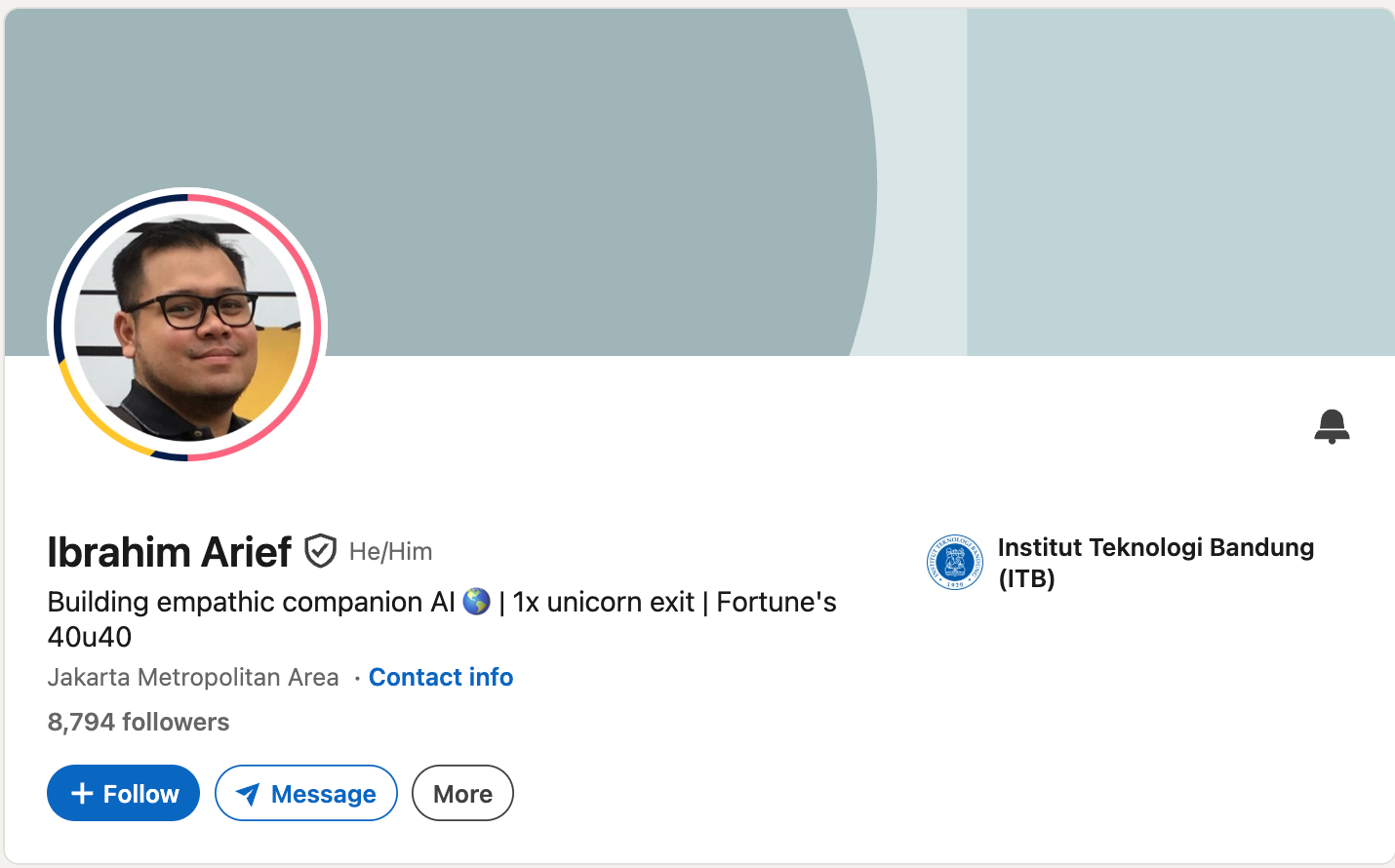
Public LinkedIn profile header of Ibrahim Arief.
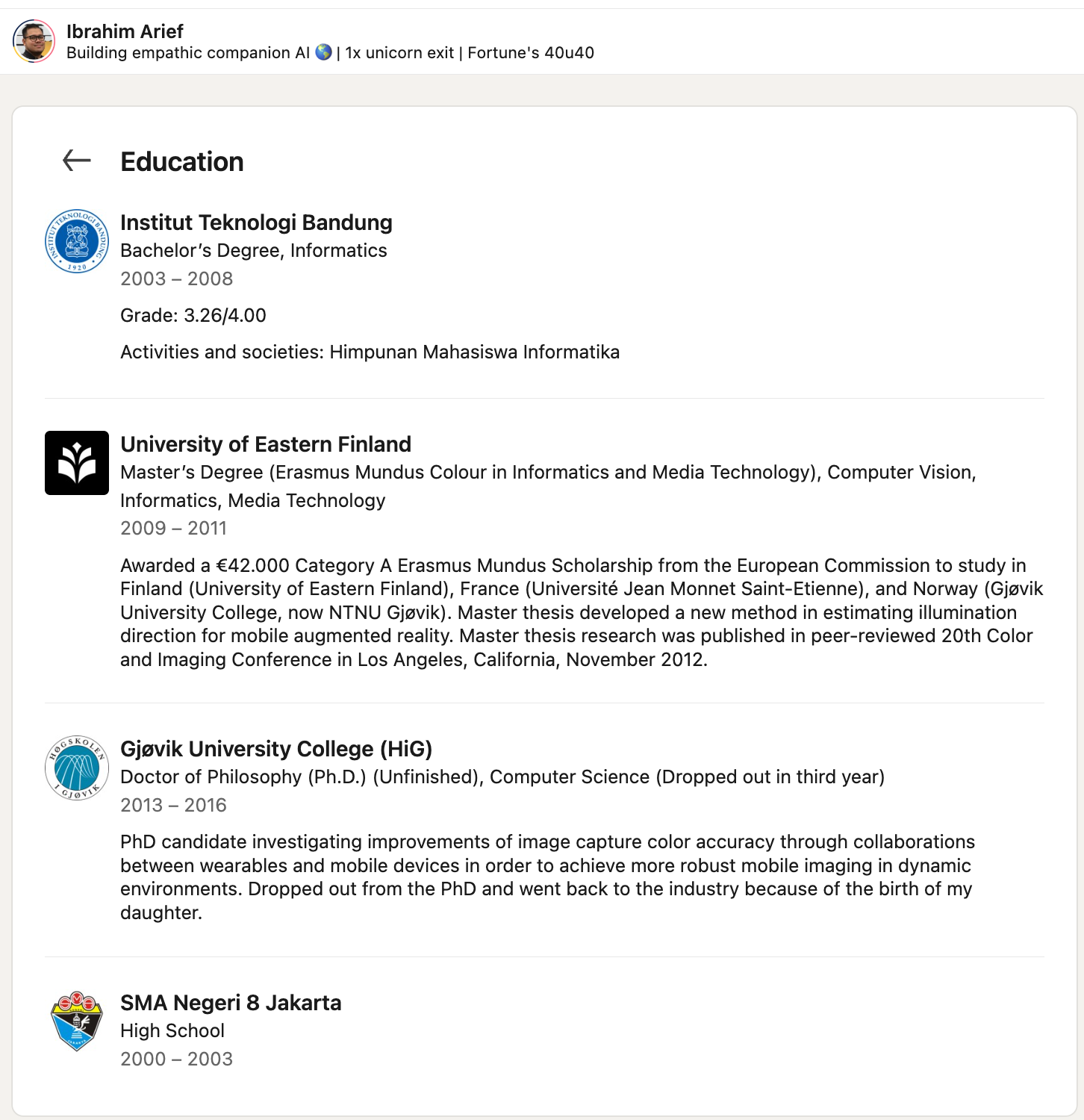
Education: ITB (2003-2008), Erasmus Mundus Master's in Computer Vision in Finland/France/Norway (2009-2011), PhD candidate at Gjøvik (2013-2016, not completed).
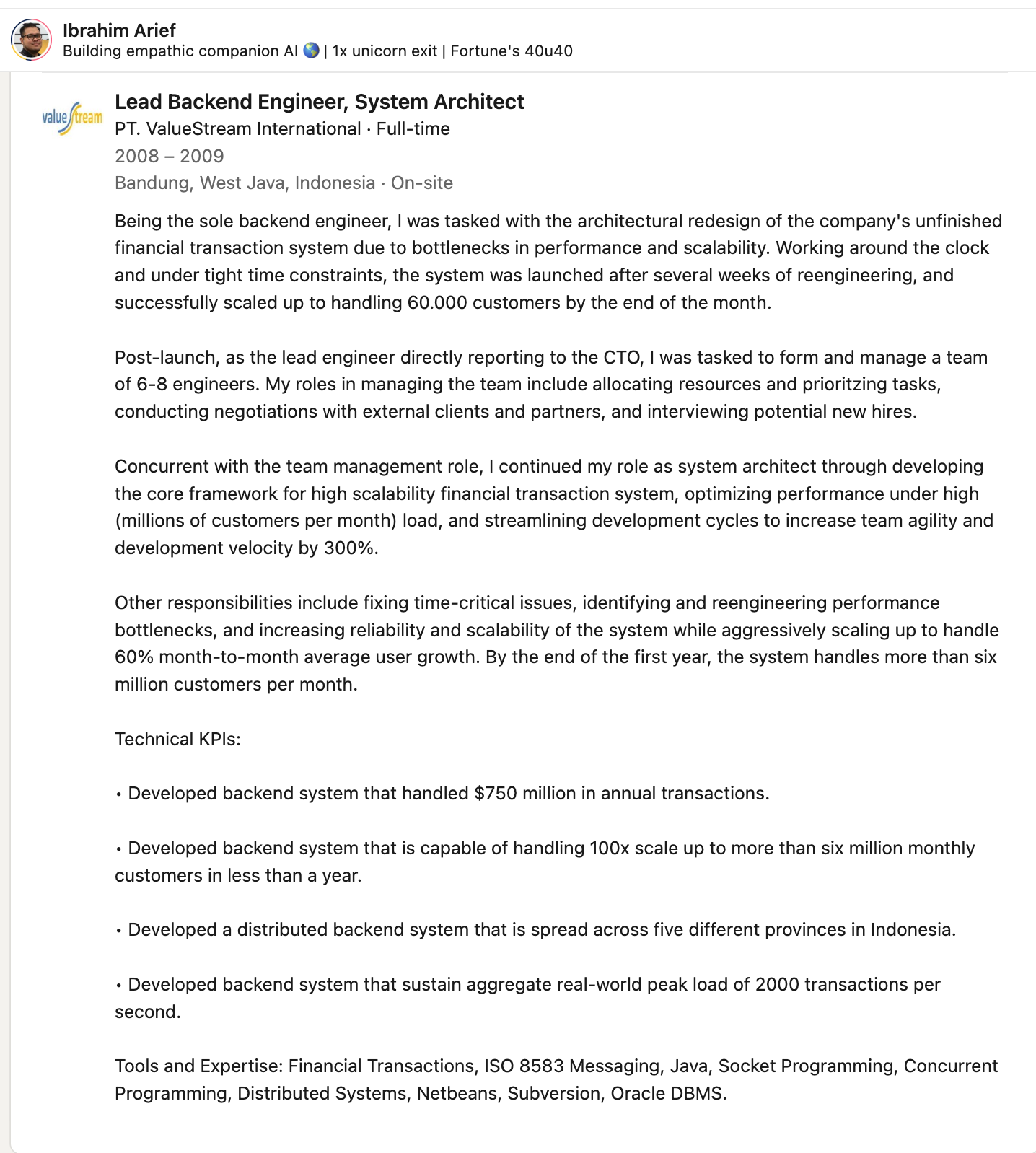
PT. ValueStream International, Lead Backend Engineer/System Architect (2008-2009).
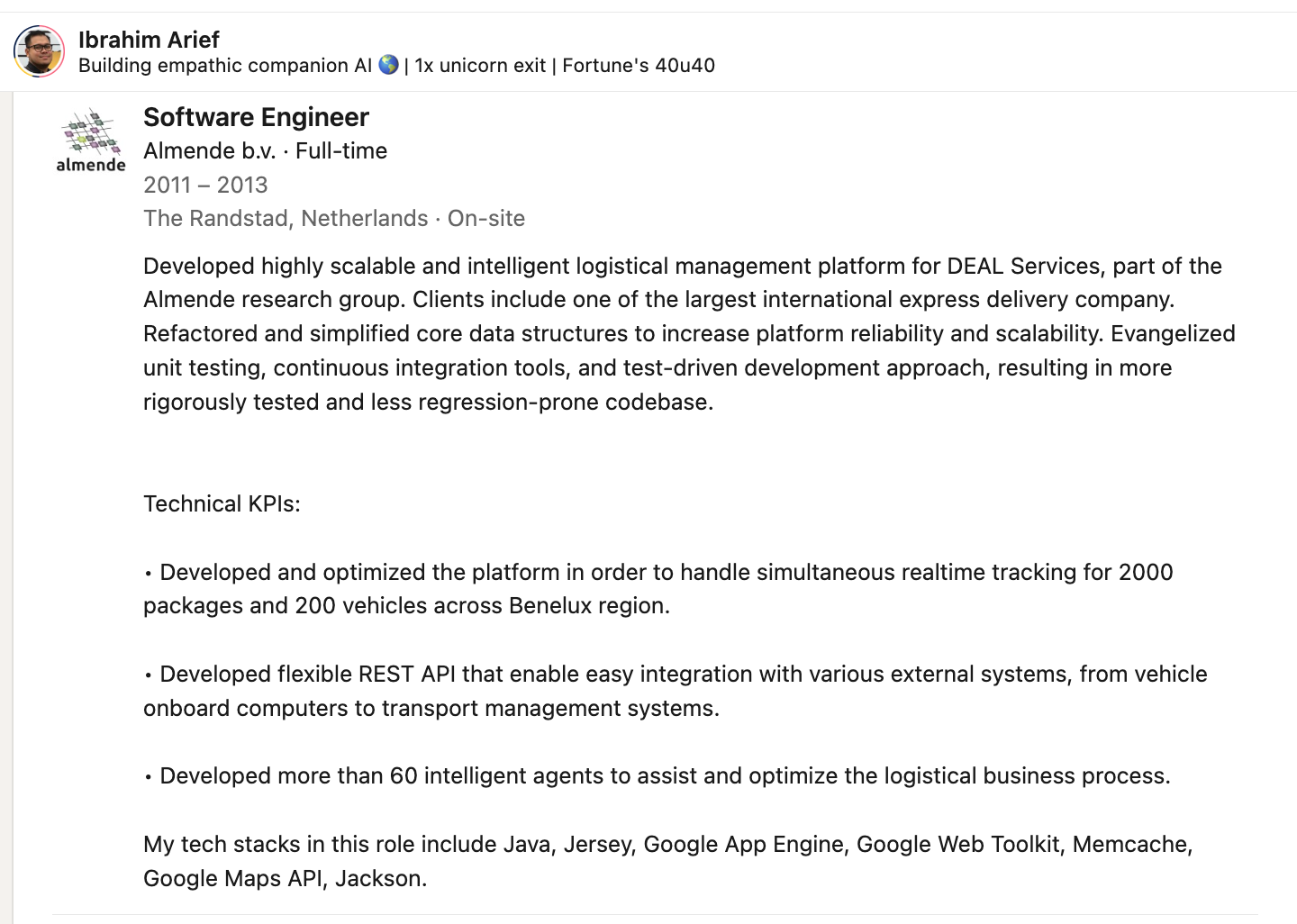
Almende b.v., Netherlands, Software Engineer (2011-2013).
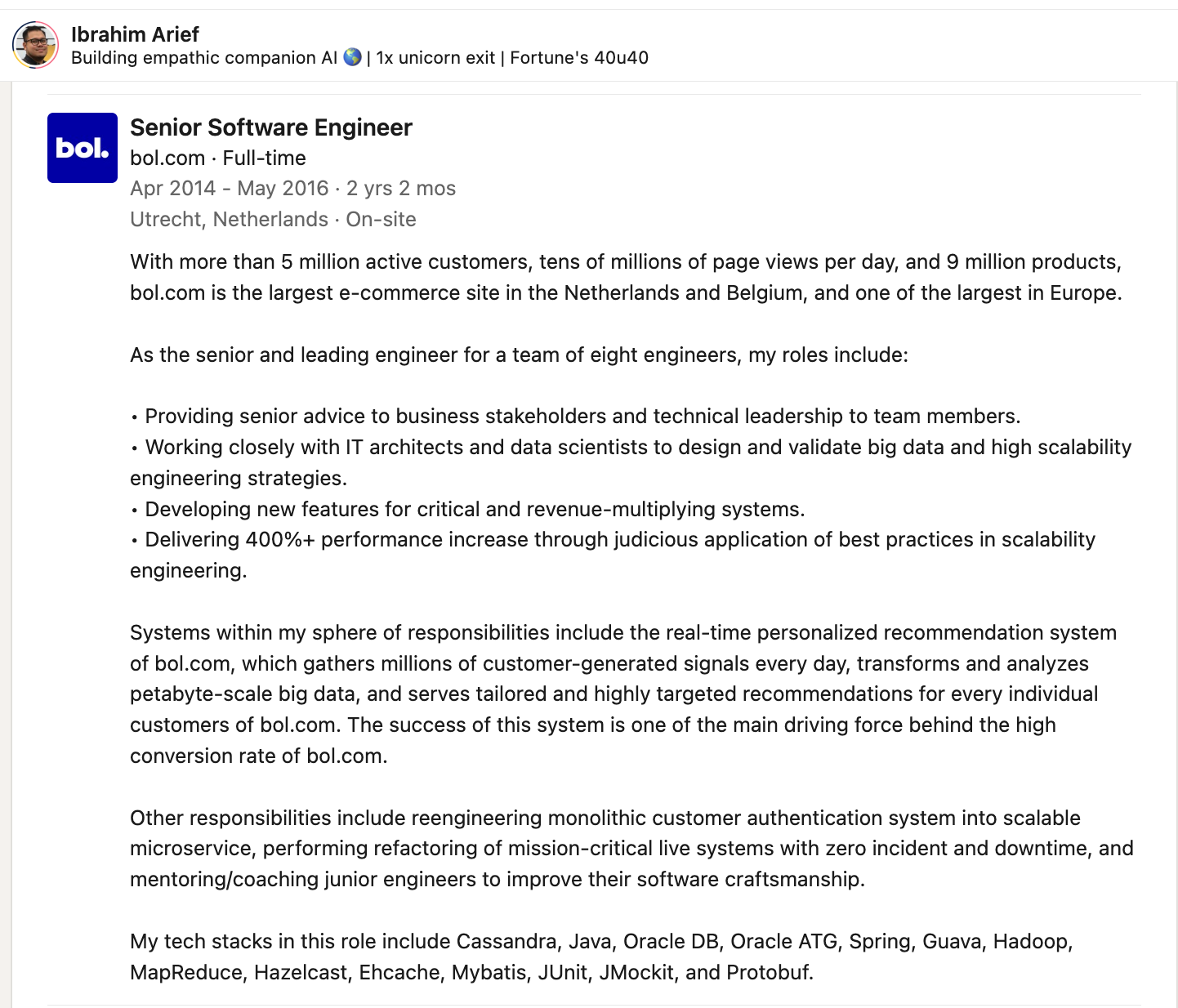
bol.com, Netherlands, Senior Software Engineer (2014-2016).
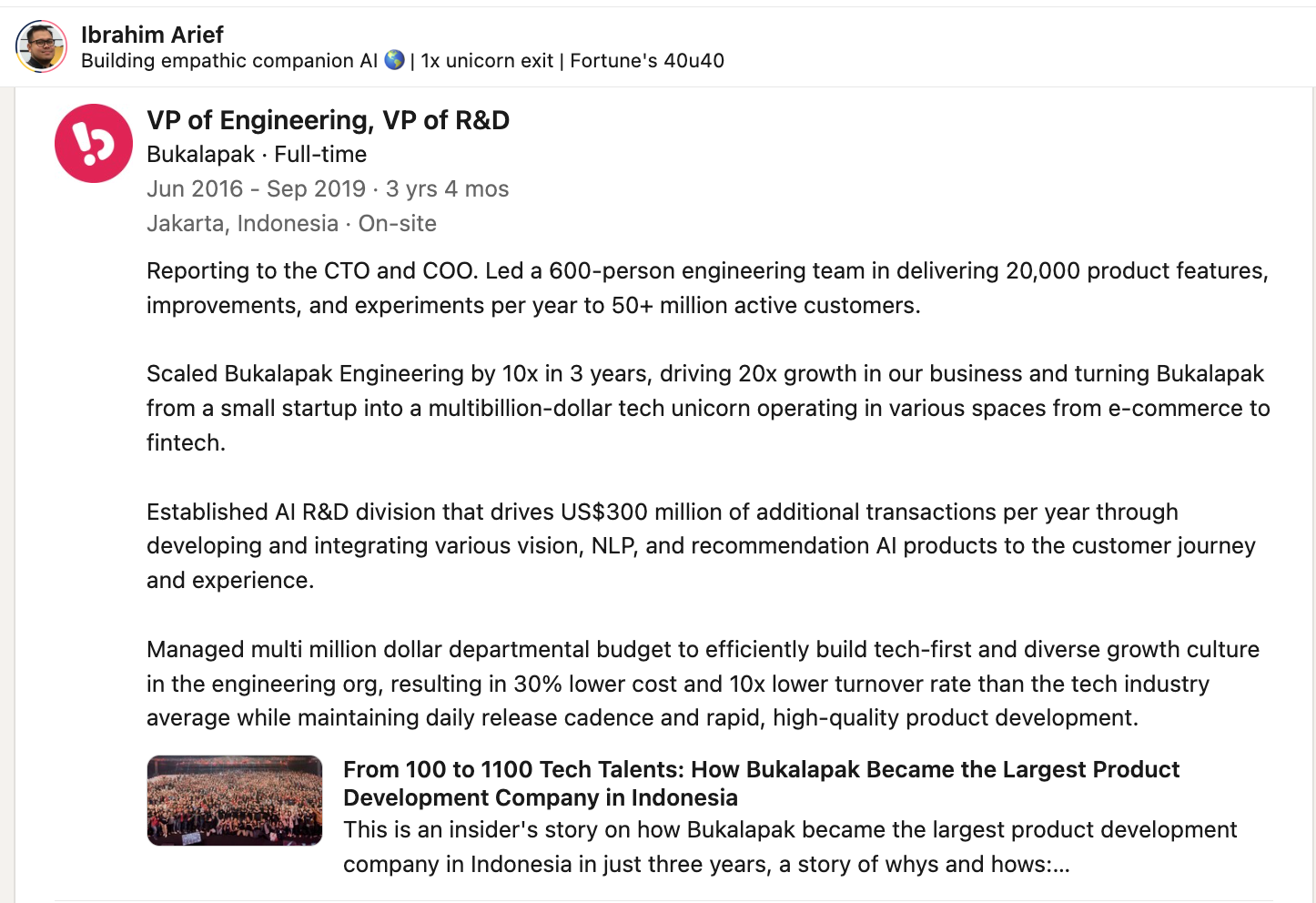
Bukalapak, VP of Engineering/VP of R&D (2016-2019).
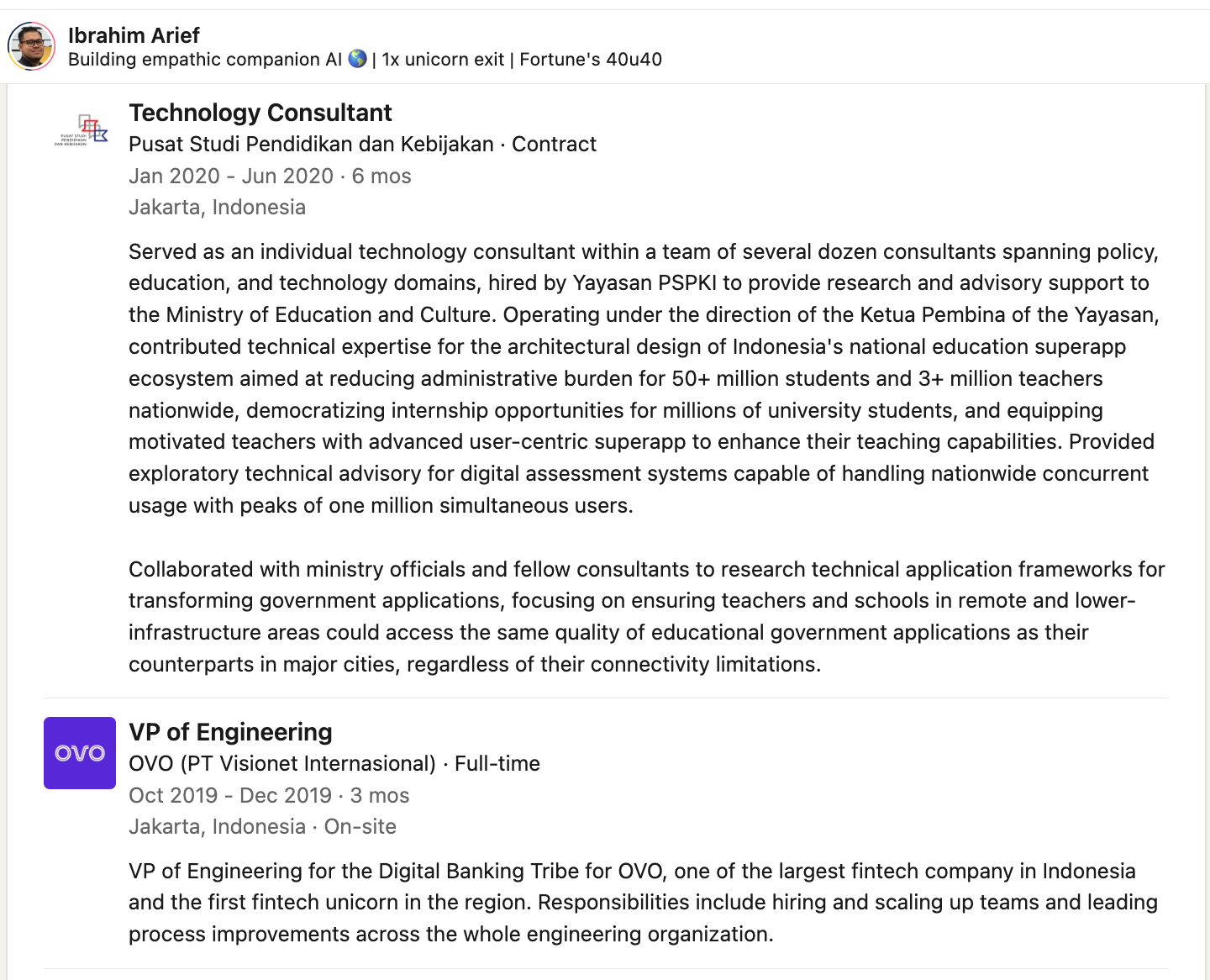
Yayasan PSPKI (Kemendikbud consultant, Jan-Jun 2020) and OVO, VP of Engineering (Oct-Dec 2019).
GovTech Edu, CTO (Oct 2020-Jul 2024), and individual consultant to Kemendikbudristek (Jun-Oct 2020).
Rahmat Wibowo
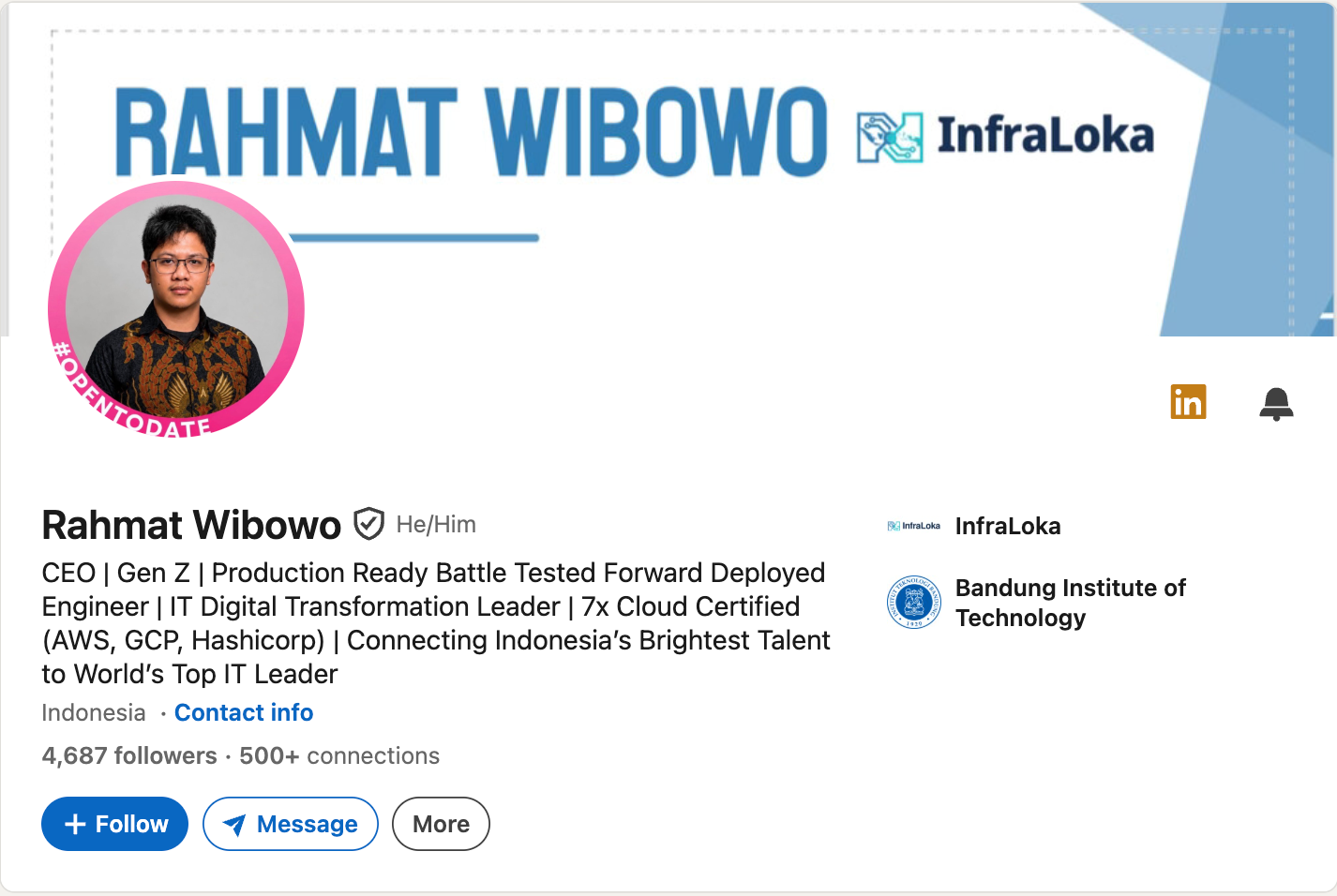
Public LinkedIn profile header of Rahmat Wibowo.
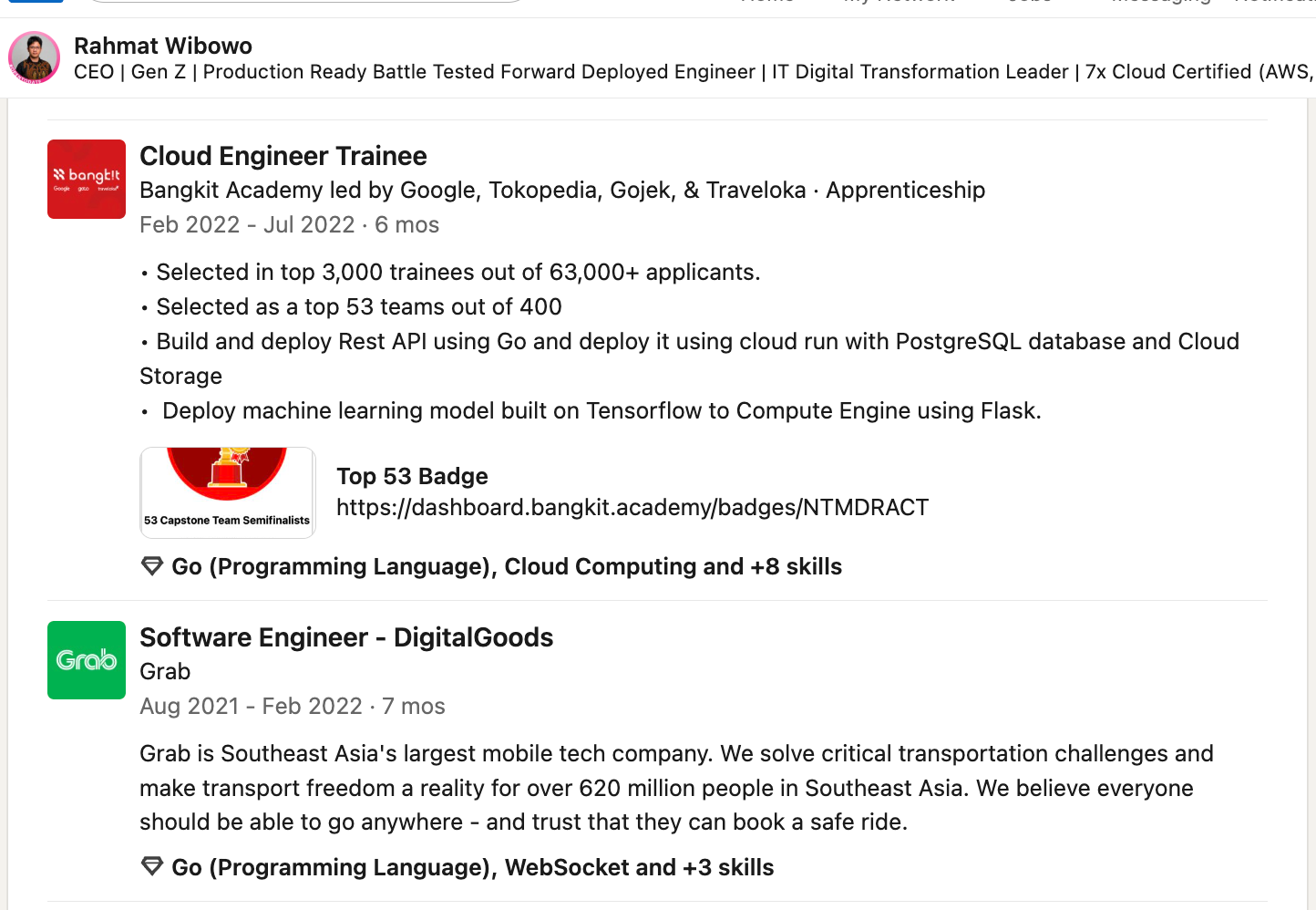
Bangkit Academy, Cloud Engineer Trainee (Feb-Jul 2022), and Grab, Software Engineer (Aug 2021-Feb 2022).
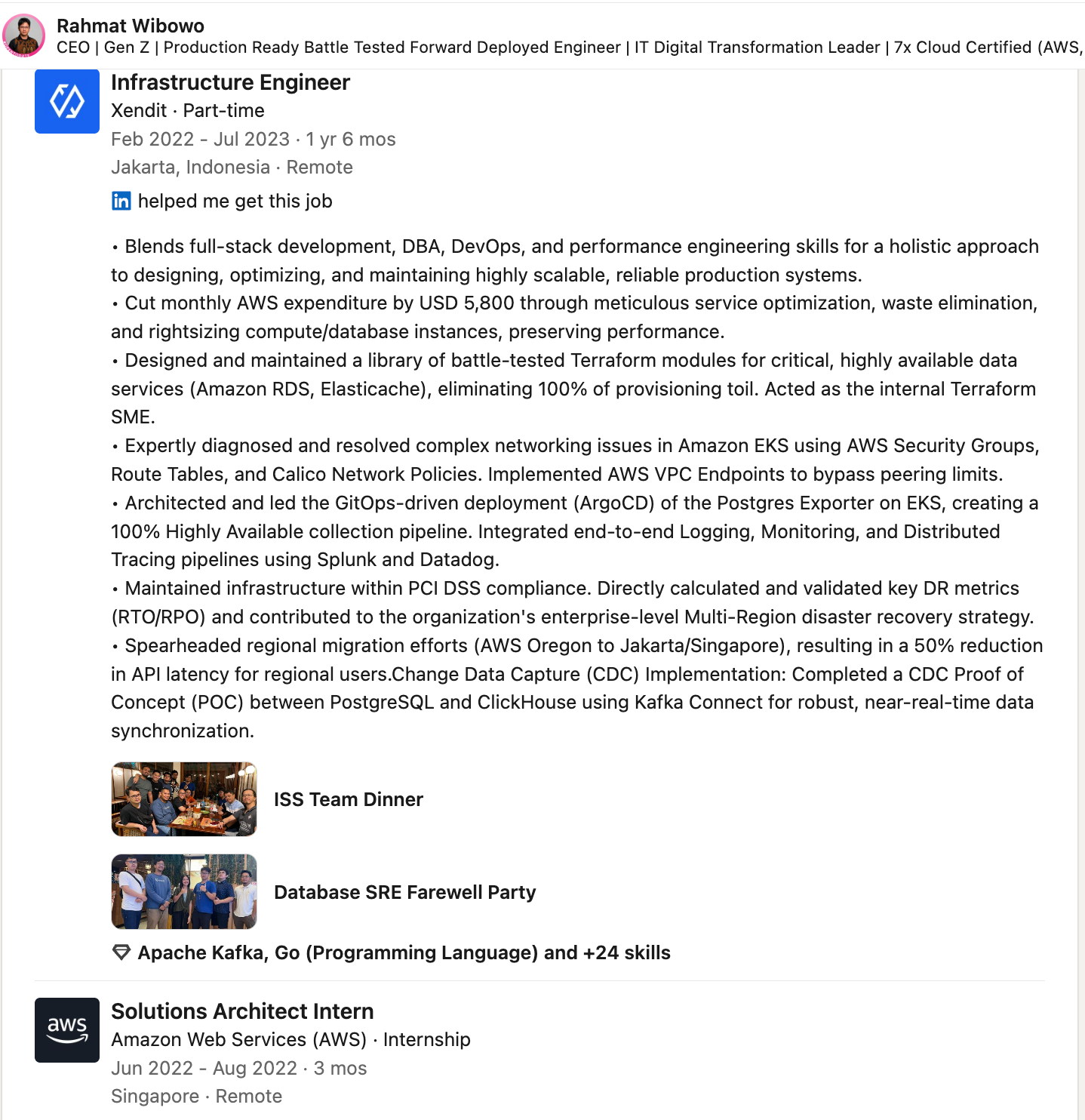
Xendit, Infrastructure Engineer (Feb 2022-Jul 2023), and AWS, Solutions Architect Intern, Singapore (Jun-Aug 2022).
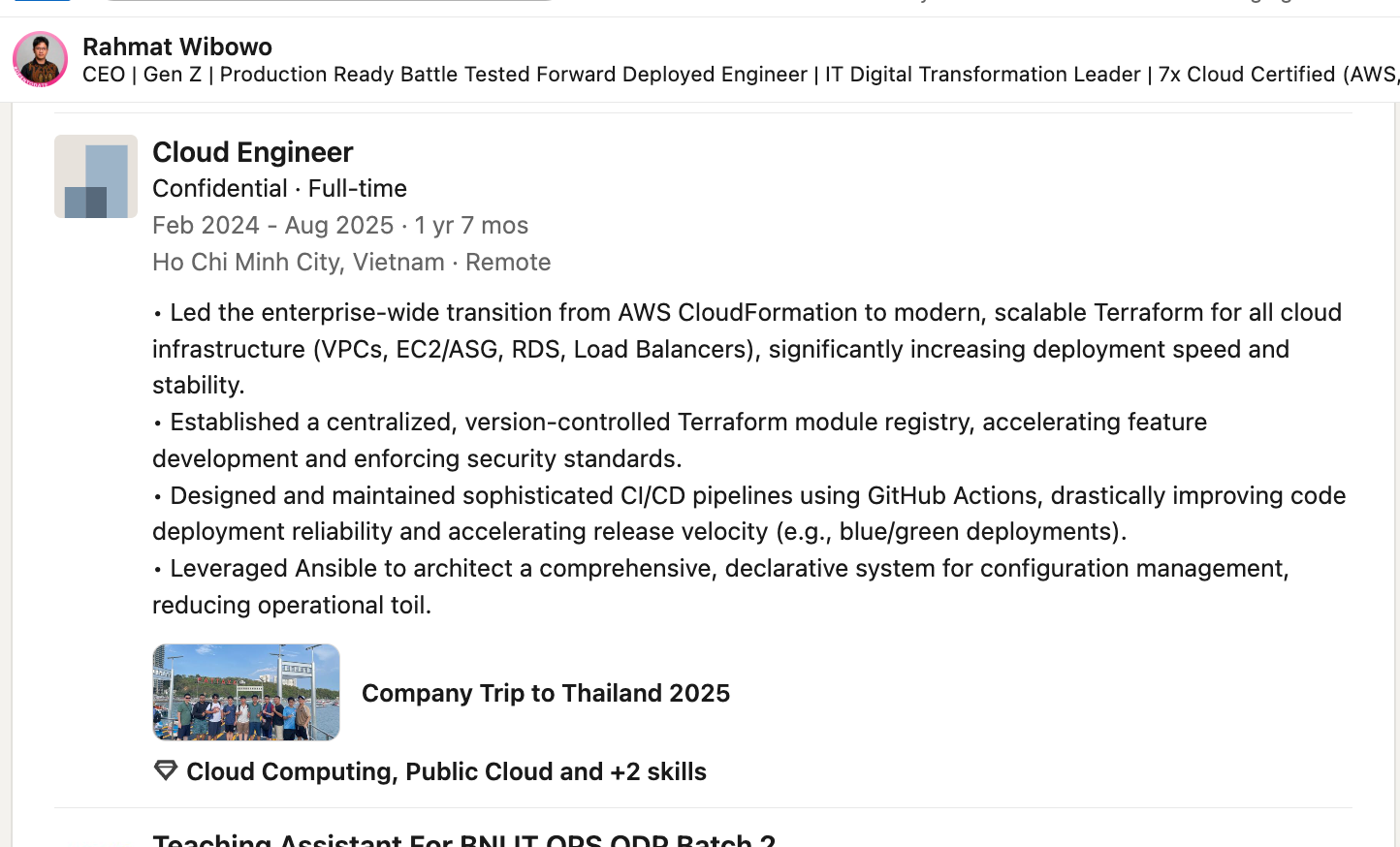
Cloud Engineer, Ho Chi Minh City, Vietnam (Feb 2024-Aug 2025).
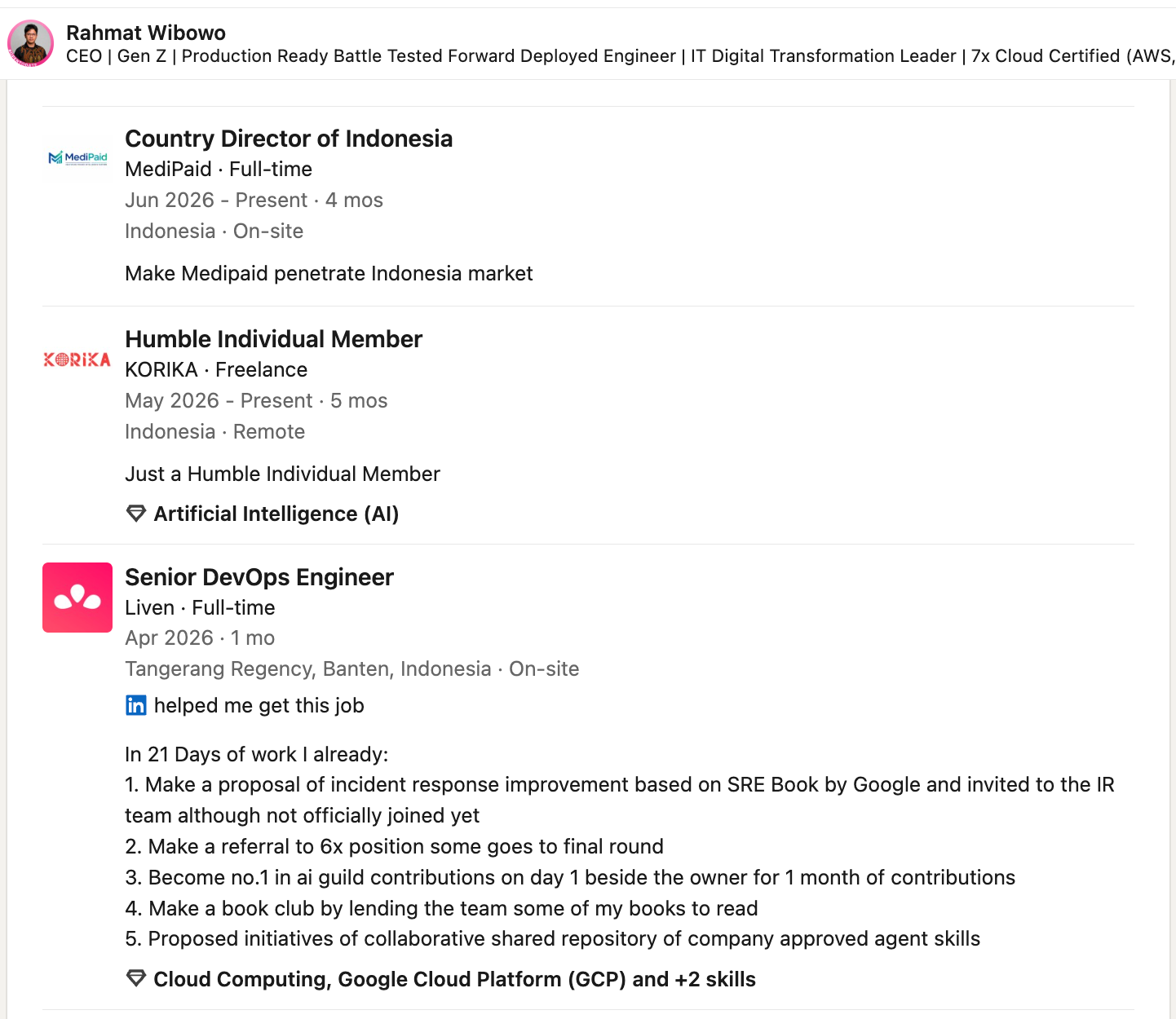
MediPaid, Country Director of Indonesia (Jun 2026-present), and Liven, Senior DevOps Engineer (Apr 2026).
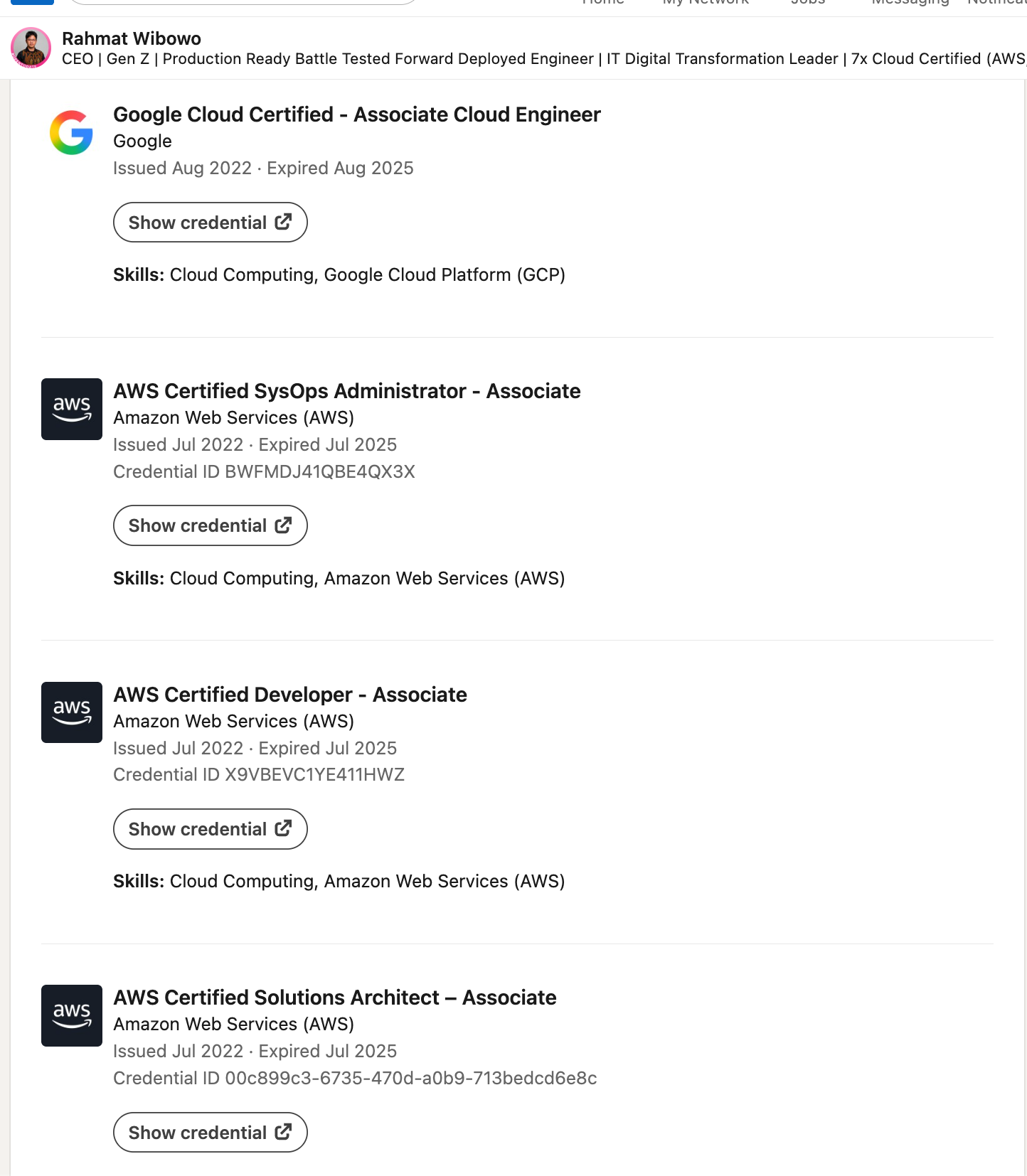
Google Cloud Associate Cloud Engineer and AWS Certified SysOps Administrator/Developer/Solutions Architect.
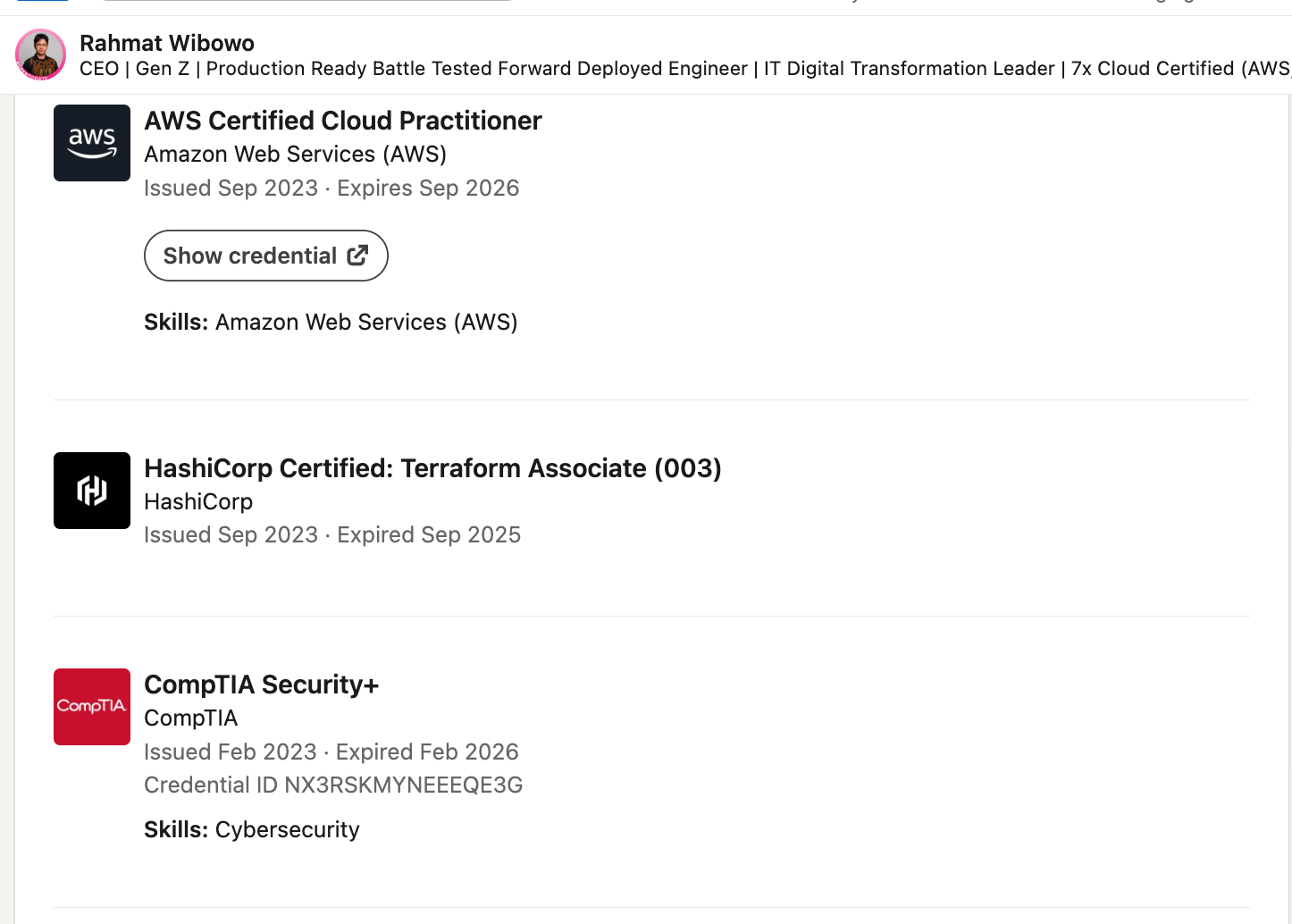
AWS Certified Cloud Practitioner, HashiCorp Certified Terraform Associate, and CompTIA Security+.
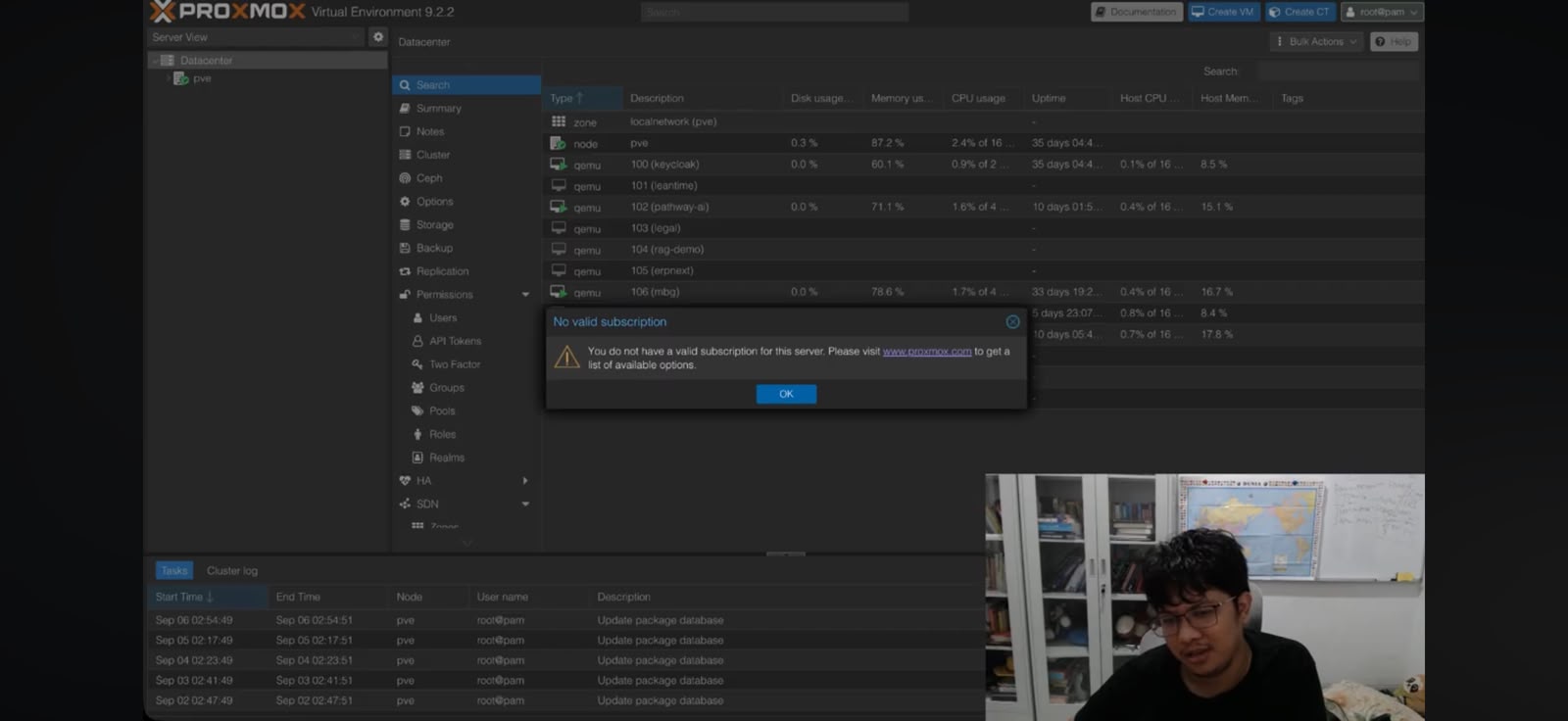
Administration panel of a personal Proxmox server, evidence of hands-on infrastructure work.
How to read this appendix. Both histories show a real technology career path that can be verified through each one's public credential links. This appendix is not meant to decide who is "superior", but to provide the basis of observation that did not exist when Exhibits A and E were made, in line with the principle stated in Section 6 above.
Pattern Notes (Descriptive, Not Evaluative)
Several patterns that are visible directly from the public data above, noted as they are with no conclusion about who is the better professional, because such a conclusion requires a basis of direct observation that neither party has of the other, nor does this report:
- Geographic range of work: Ibam is recorded as working in the Netherlands (Almende, bol.com) in 2011-2016 before returning to Indonesia; Rahmat is recorded as working in Singapore (AWS), Vietnam, and for Australia-based and Germany-based companies remotely in 2022-2025.
- Level of formal education: Ibam completed an Erasmus Mundus Master's (Computer Vision) and was for a time a PhD candidate (not completed); Rahmat completed a Bachelor of Engineering at ITB with cum laude honours without continuing to postgraduate level.
- Certification pattern: Rahmat lists seven cloud vendor certifications (AWS, GCP, HashiCorp, CompTIA), all obtained within 2022-2023; Ibam's profile as reviewed does not list similar technology vendor certifications.
- Duration per position: Ibam's history shows positions of longer duration per company (an average of over 2 years); Rahmat's history shows more frequent rotation (an average of under 1 year per position) within a career that is also shorter overall (starting in 2021).
12.9 Somasi as a Service from Infraloka
Drafting the right summons (somasi), or responding to a summons received in a timely and well-aimed way, requires precision in both the legal basis and the tone of delivery, in line with the principle of tabayyun. Somasi as a Service is Infraloka's AI-based legal intelligence and litigation-summons orchestration platform, positioned as the first in Indonesia in this category. As published on Infraloka's official website, the platform orchestrates disputes across three judicial forums at once, with a verifiable chain of evidence:
- Three-jurisdiction coverage: Criminal (the ITE Law and the KUHP), Civil (breach of contract and unlawful acts), and the Industrial Relations Court (PHI)
- Verified evidence chain: each piece of evidence is processed with SHA-256 hash custody, in line with the evidence provisions of Article 184 of the KUHAP
- Multimodal intake, tokenless and usable offline: users can enter evidence in a variety of formats without depending on a continuous connection
- A 4-persona court simulation: helps users understand the viewpoints of the parties before a summons is filed
- Legal basis analysis and a prediction of the direction of the ruling, based on the relevant articles as material for initial consideration, not a substitute for professional legal advice
- Advocate-governed: remains connected to a network of licensed advocates for escalating cases that need direct representation
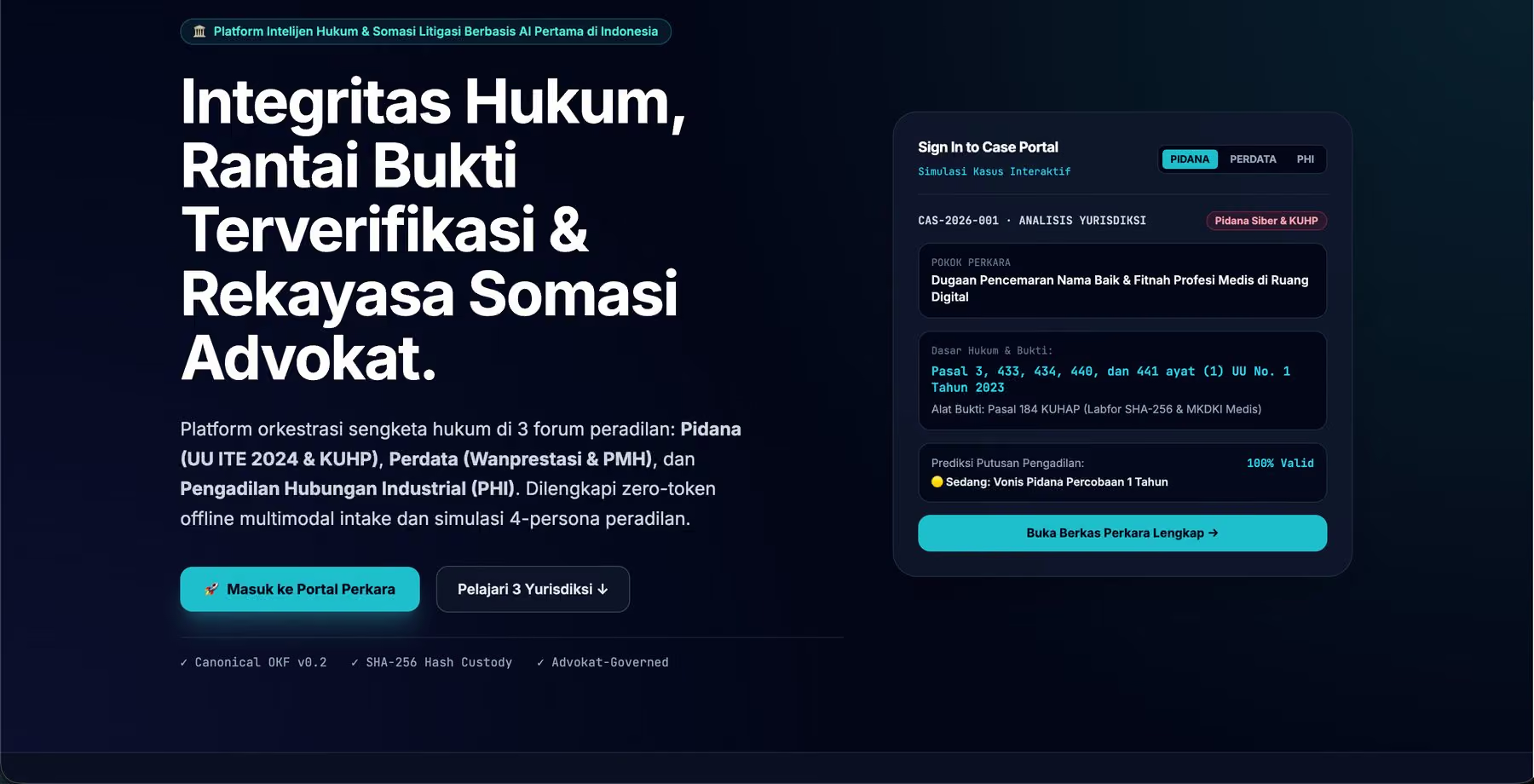
Figure 12. The Somasi as a Service case portal, showing jurisdiction analysis, legal basis, and evidence for one sample case.
Discuss your summons needs. To discuss summons needs, whether drafting a new summons or responding to one received, contact [email protected] or visit infraloka.co.id/services/somasi.
About the Author
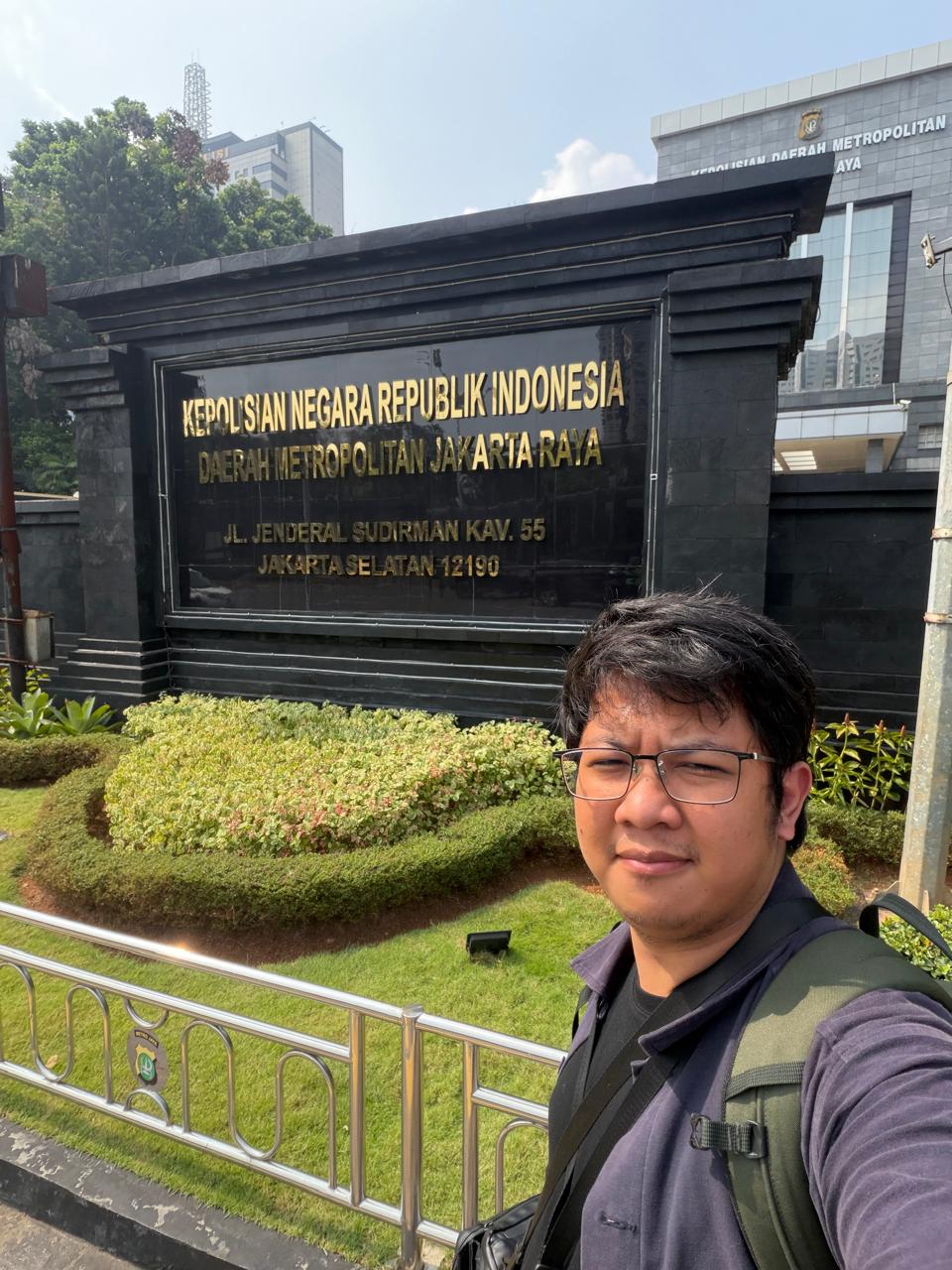
Rahmat Wibowo, Founder & CEO InfraLoka.
Rahmat Wibowo (born 13 October 2001) is the Founder & CEO of InfraLoka, a DevOps Engineer and Cloud Practitioner from Indonesia, a graduate of the Bachelor of Engineering (Cum Laude) at the School of Electrical Engineering and Informatics (STEI), Institut Teknologi Bandung (2019-2023) with a final GPA of 3.91. His career experience includes engineering roles at Grab, Bangkit Academy (a collaboration of Google, Tokopedia, Gojek, Traveloka), an AWS Solutions Architect internship in Singapore, Xendit, Cloud Engineer in Ho Chi Minh City (Vietnam), Senior DevOps Engineer at Nomnie (Australia), Freelance Senior DevOps Engineer at Zvoove (Germany), and an Expert outsourced worker for IT server infrastructure at Pertamina Marine Solutions, a subsidiary of the state-owned enterprise Pertamina. He holds several professional certifications, among them AWS Certified Solutions Architect, AWS Certified Developer, Google Cloud Certified Associate Cloud Engineer, and HashiCorp Certified: Terraform Associate.
In carrying out his profession and advocacy, the author holds to the principle of Rahmatan Lil Alamin, the aspiration to be a mercy (a blessing and benefit) to all creation, which is reflected in the spirit of this report: encouraging a straight public understanding of legal accountability mechanisms, not for any one-sided interest.
The author also openly shares his personal experience as a person with a mental/psychosocial disability (bipolar and ADHD/autism spectrum, diagnosed in adulthood), as part of advocacy for mental health literacy and the rights of persons with disabilities in the Indonesian professional sphere.
Message from the Author
Honestly, I still find it hard to understand how someone who never worked with me, was never my supervisor, and had not a single direct professional interaction with me, could feel they had enough basis to assess my capacity in public, put my name on a personal list, and label me "toxic talent". This is not anger that I write here, but disappointment, disappointment at how easily a person's reputation can be put at stake by a party who does not even know them.
The impact was real for me. The termination of employment at AWS, which should have been a private matter, turned into something that kept being attached to my name in public. It took me about a year and a half, including therapy, to recover and to function fully in society again in early 2026. Several seniors and fellow alumni recommended a family-style settlement and tabayyun first, a recommendation that I appreciate and remain open to taking up.
I believe reconciliation is always possible when both parties have truly known each other, because misunderstanding is human and anyone, including me, could also have made a mistake. But when judgments come again and again, from 2023 to 2024, without any real relationship or interaction ever underlying them, what remains for me is not anger but a sense of loss over a process that should have been resolved better, earlier, and with more good faith from both sides.
— Rahmat Wibowo
About InfraLoka
InfraLoka (legally incorporated as PT Infrastruktur Digital Nusantara) is an outcome-focused digital transformation entity operating at the intersection of cloud-native engineering, artificial intelligence infrastructure (AI infrastructure), and business strategy acceleration. Founded by Rahmat Wibowo, InfraLoka helps enterprise organisations and high-growth ventures realise digital transformation without sacrificing stability, regulatory compliance, cyber security, or long-term scalability.
Besides consulting and engineering services, InfraLoka develops a portfolio of proprietary products, including the AI Workforce automation, the AI Recruitment Platform hiring platform, the Somasi as a Service legal automation solution, and the Sovereign Data Center initiative in Indonesia.
Website: infraloka.co.id · Email: [email protected]
References
Sixteen sources of evidence (social media screenshots, forum posts, and public campaign material) related to the #KawalIbam campaign were collected and reviewed for this report, along with the case notes and the formal complaint file that accompany it.
Press and court sources (the Chromebook case, Section 5.1):
- Tempo, "Ibrahim Arief Mengaku Diintimidasi Sebelum Jadi Tersangka" (Ibrahim Arief Says He Was Intimidated Before Becoming a Suspect), tempo.co/hukum/ibrahim-arief-mengaku-diintimidasi-sebelum-jadi-tersangka-2130659
- Tempo, "Kejagung Pasang Detektor untuk Ibrahim Arief Tersangka Kasus Korupsi Laptop" (The Attorney General's Office Installs a Detector for Ibrahim Arief, Suspect in the Laptop Corruption Case), tempo.co/hukum/kejagung-pasang-detektor-untuk-ibrahim-arief-tersangka-kasus-korupsi-laptop-2045900
- Tempo, "Hukuman Ibrahim Arief di Kasus Chromebook Diperberat" (Ibrahim Arief's Sentence in the Chromebook Case Increased), tempo.co/hukum/banding-ibrahim-arief-ditolak-2284922
- Hukumonline, "Pengadilan Tinggi Perberat Hukuman Ibam di Kasus Chromebook" (The High Court Increases Ibam's Sentence in the Chromebook Case), hukumonline.com/berita/a/pengadilan-tinggi-perberat-hukuman-ibam-di-kasus-chromebook-lt6a968ff4cbfbb
- Kompas, "Saat Hakim Terpecah dalam Vonis Ibrahim Arief: Diputus Bersalah, tetapi Dinilai Tak Punya Niat Jahat" (When Judges Split on Ibrahim Arief's Verdict: Found Guilty, but Judged to Have No Malicious Intent), nasional.kompas.com/read/2026/05/13/06400591
- Kompas, "Menangis Meminta Dibebaskan, Ibrahim Arief: Saya Dipaksakan Jadi Tersangka" (Weeping and Asking to Be Freed, Ibrahim Arief: I Was Forced into Being a Suspect), nasional.kompas.com/read/2026/04/23/12382511
- Tirto, "Kronologi Kasus Ibrahim Arief & Tuntutan 15 Tahun Bui" (Chronology of the Ibrahim Arief Case and the 15-Year Prison Demand), tirto.id/kronologi-kasus-ibrahim-arief-tuntutan-15-tahun-bui-huV7
- IDN Times, "Profil Ibrahim Arief Mantan Bos Bukalapak Tersangka Kasus Korupsi Kemendikbud" (Profile of Ibrahim Arief, Former Bukalapak Boss and Suspect in the Kemendikbud Corruption Case), idntimes.com/news/indonesia/profil-ibrahim-arief-tersangka-kasus-korupsi-kemendikbud-00-3wr2k-36phg3
- detikNews, "Eks Stafsus Baru Tahu Gaji Konsultan Era Nadiem Rp163 Juta" (Former Special Staff Only Just Learned of the Rp163 Million Consultant Salary of the Nadiem Era), news.detik.com/berita/d-8342461/eks-stafsus-baru-tahu-gaji-konsultan-era-nadiem-rp-163-juta
Internal document (the personal dispute, Section 5.2): "analisis kasus.md", an independent public complaint based on Article 108 of the KUHAP and Article 41 of Law No. 19/2019 on the KPK, containing a chronology of acts, an analysis of the elements of the articles, and a list of evidence (Evidence B-1 through B-8).
Public professional history: The public LinkedIn profiles of Rahmat Wibowo and Ibrahim Arief, quoted in the Appendix above.