
Rahmat Wibowo vs. Gatot Gunarso: A Trilingual Logical-Fallacy Audit of a Threads Dispute
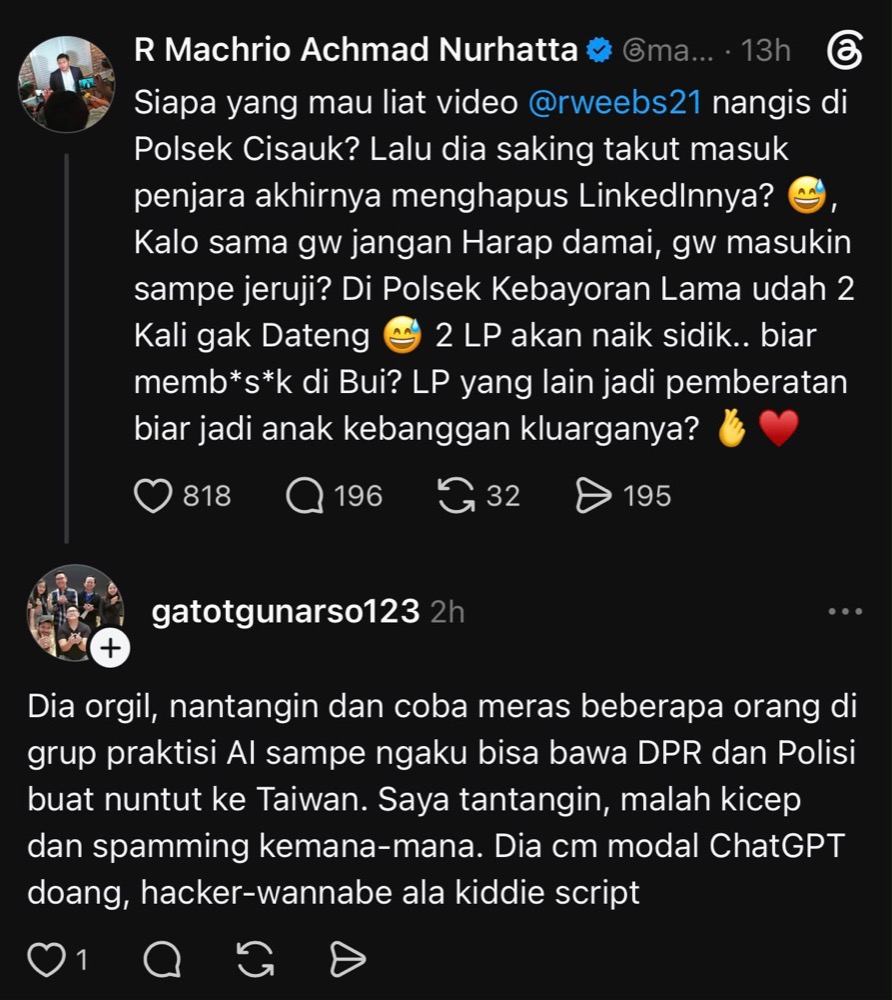
Analyze the Rahmat Wibowo–Gatot Gunarso Threads dispute in Hanzi, Hanyu Pinyin, and English through 30 exhibits and a logical-fallacy audit.
This documentary review covers Legal Notice No. 065/SOMASI/RW/IX/2026 and the accompanying screenshots. It evaluates arguments, not people. A fallacy label means that a statement does not logically establish its conclusion; it does not determine whether the statement is lawful, unlawful, true, or false.
Editorial scope / 编辑范围 / Biānjí fànwéi
中文(汉字)
本文记录拉赫马特·维博沃与加托特·古纳索之间的一场网络争议。资料包括一封日期为2026年9月20日的正式警告函、五张核心身份及聊天截图,以及二十五张 Threads 对话截图。警告函是单方主张,不是警方结论、起诉书或法院判决。截图只能证明画面中出现了某些文字;它们本身不能证明账号归属、上下文完整性或指控内容的真实性。本文没有独立核实任何人的学校、工作或账号身份。
Hànyǔ Pīnyīn
Běnwén jìlù Lāhèmǎtè Wéibówò yǔ Jiātuōtè Gǔnàsuǒ zhījiān de yì chǎng wǎngluò zhēngyì. Zīliào bāokuò yì fēng rìqī wéi èr líng èr liù nián jiǔ yuè èrshí rì de zhèngshì jǐnggàohán, wǔ zhāng héxīn shēnfèn jí liáotiān jiétú, yǐjí èrshíwǔ zhāng Threads duìhuà jiétú. Jǐnggàohán shì dānfāng zhǔzhāng, bú shì jǐngfāng jiélùn, qǐsùshū huò fǎyuàn pànjué. Jiétú zhǐ néng zhèngmíng huàmiàn zhōng chūxiànle mǒuxiē wénzì; tāmen běnshēn bù néng zhèngmíng zhànghào guīshǔ, shàngxiàwén wánzhěngxìng huò zhǐkòng nèiróng de zhēnshíxìng. Běnwén méiyǒu dúlì héshí rènhé rén de xuéxiào, gōngzuò huò zhànghào shēnfèn.
English translation
This article documents an online dispute between Rahmat Wibowo and Gatot Gunarso. The source set consists of a formal notice dated 20 September 2026, five core identity/chat captures, and twenty-five Threads captures. The notice is one party's allegation—not a police finding, charging document, or court judgment. A screenshot can show that certain text appeared on screen; by itself, it cannot establish account ownership, complete context, or the truth of an accusation. This article has not independently verified anyone's school, employment, or account identity.
The documented dispute / 争议记录 / Zhēngyì jìlù
中文(汉字)
警告函称,Threads 账号 @gatotgunarso123 在2026年9月20日使用了“疯子”“企图敲诈”“到处发垃圾信息”以及“冒牌黑客/脚本小子”等表述。该函还把这些表述与2026年6月13日一个 WhatsApp 群中“骗子和垃圾信息发送者”的消息联系起来。发函人要求删除内容、公开道歉、停止进一步陈述、提供证据或否认账号归属,并要求赔偿。对方的答辩未出现在所提供的资料中。
Hànyǔ Pīnyīn
Jǐnggàohán chēng, Threads zhànghào @gatotgunarso123 zài èr líng èr liù nián jiǔ yuè èrshí rì shǐyòngle “fēngzi”, “qǐtú qiāozhà”, “dàochù fā lājī xìnxī” yǐjí “màopái hēikè / jiǎoběn xiǎozi” děng biǎoshù. Gāi hán hái bǎ zhèxiē biǎoshù yǔ èr líng èr liù nián liù yuè shísān rì yí gè WhatsApp qún zhōng “piànzi hé lājī xìnxī fāsòngzhě” de xiāoxi liánxì qǐlái. Fāhánrén yāoqiú shānchú nèiróng, gōngkāi dàoqiàn, tíngzhǐ jìnyíbù chénshù, tígōng zhèngjù huò fǒurèn zhànghào guīshǔ, bìng yāoqiú péicháng. Duìfāng de dábiàn wèichūxiàn zài suǒ tígōng de zīliào zhōng.
English translation
The notice alleges that the Threads account @gatotgunarso123 used expressions equivalent to “lunatic,” “tried to extort,” “spamming everywhere,” and “hacker-wannabe/script kiddie” on 20 September 2026. It connects those statements to “Scammer and Spammer” messages posted in a WhatsApp group on 13 June 2026. The sender demanded removal, a public apology, no further statements, evidence or an account-ownership denial, and damages. No response from the recipient appears in the supplied record.
The source documents can be read here: English legal notice and Chinese legal notice.
What the logical audit finds / 逻辑审查结论 / Luójí shěnchá jiélùn
中文(汉字)
核心问题不是哪一方说得更响,而是哪一项结论有可检验的证据。把某人称为“疯子”不能证明其法律主张错误,这是人身攻击。声称某人假装精神异常以逃避责任,却没有提供可核实证据,属于动机揣测和毒化论域。把使用人工智能工具当作无能力或欺诈的证明,是不相干结论。用嘲笑、监狱、学历或工作经历代替对原始指控的证明,是诉诸嘲讽或关联谬误。
同样,拉赫马特账号的部分回复也用“愚蠢”“不正常”“大脑像虾”等人身攻击,并用学历、作品集或付费工具来概括能力。这些回复不能反驳对方的事实指控,反而复制了同一种错误。因此,这份记录展示的不是一个严谨的辩论,而是双方不断升级的人身化争执。
Hànyǔ Pīnyīn
Héxīn wèntí bú shì nǎ yìfāng shuō de gèng xiǎng, ér shì nǎ yí xiàng jiélùn yǒu kě jiǎnyàn de zhèngjù. Bǎ mǒurén chēngwéi “fēngzi” bù néng zhèngmíng qí fǎlǜ zhǔzhāng cuòwù, zhè shì rénshēn gōngjī. Shēngchēng mǒurén jiǎzhuāng jīngshén yìcháng yǐ táobì zérèn, què méiyǒu tígōng kě héshí zhèngjù, shǔyú dòngjī chuǎicè hé dúhuà lùnyù. Bǎ shǐyòng réngōng zhìnéng gōngjù dàngzuò wú nénglì huò qīzhà de zhèngmíng, shì bù xiānggān jiélùn. Yòng cháoxiào, jiānyù, xuélì huò gōngzuò jīnglì dàitì duì yuánshǐ zhǐkòng de zhèngmíng, shì sùzhū cháofěng huò guānlián miùwù.
Tóngyàng, Lāhèmǎtè zhànghào de bùfèn huífù yě yòng “yúchǔn”, “bù zhèngcháng”, “dànǎo xiàng xiā” děng rénshēn gōngjī, bìng yòng xuélì, zuòpǐnjí huò fùfèi gōngjù lái gàikuò nénglì. Zhèxiē huífù bù néng fǎnbó duìfāng de shìshí zhǐkòng, fǎn'ér fùzhìle tóng yì zhǒng cuòwù. Yīncǐ, zhè fèn jìlù zhǎnshì de bú shì yí gè yánjǐn de biànlùn, ér shì shuāngfāng bùduàn shēngjí de rénshēnhuà zhēngzhí.
English translation
The central question is not who speaks more loudly, but which conclusion has testable evidence. Calling someone “insane” cannot establish that his legal claim is wrong: that is ad hominem. Claiming that someone pretends to be mentally unwell to avoid responsibility, without verifiable evidence, is motive speculation and poisoning the well. Treating the use of AI tools as proof of incompetence or fraud is a non sequitur. Substituting ridicule, prison references, education, or employment history for proof of the original accusation is appeal to ridicule or guilt by association.
Some replies from Rahmat's account likewise use personal attacks such as “stupid,” “not sane,” and “shrimp brain,” while treating degrees, portfolios, or paid tools as general measures of competence. Those replies do not rebut the factual accusations; they reproduce the same error. The record therefore shows escalating personalized conflict, not a disciplined debate.
| Pattern | What appears in the screenshots | Why it fails |
|---|---|---|
| Ad hominem / 人身攻击 / rénshēn gōngjī | “orgil,” “mentally disturbed,” “kebodohan,” “otak udang” | A personal label does not resolve the disputed facts. |
| Poisoning the well / 毒化论域 / dúhuà lùnyù | “Do not reason with him”; claims that mental illness is an act | It tells readers to reject a speaker before testing the claim. |
| Unsupported criminal accusation / 无证据的犯罪指控 / wú zhèngjù de fànzuì zhǐkòng | “tried to extort,” “scammer” | A serious conclusion needs primary evidence and defined elements. |
| Appeal to ridicule / 诉诸嘲讽 / sùzhū cháofěng | “Kuntiverse,” “Teletubbies,” “planet AWS,” laughter | Mockery supplies emotion, not proof. |
| Non sequitur / 不相干结论 / bù xiānggān jiélùn | “uses ChatGPT” therefore incompetent, fake, or fraudulent | Tool choice does not establish the quality or truth of the output. |
| Hasty generalization / 草率概括 / cǎoshuài gàikuò | One screenshot, role, or reply used to judge total ability or character | The sample is too narrow for the conclusion. |
| Mind-reading / 动机揣测 / dòngjī chuǎicè | Claims that a person is acting ill, afraid, or out of ideas | Internal motives require evidence, not inference from tone. |
| Tu quoque / 反唇相讥 / fǎnchún xiāngjī | Each side answers insult with insult | Showing an opponent's bad conduct does not prove one's own claim. |
| Appeal to credentials / 诉诸资历 / sùzhū zīlì | Degrees, employers, or job titles used as decisive proof | Credentials may add context but cannot replace evidence. |
| Burden shifting / 转移举证责任 / zhuǎnyí jǔzhèng zérèn | Accusations followed by demands that the target disprove them | The person making the claim carries the initial burden of support. |
Core exhibits / 核心证据 / Héxīn zhèngjù
The first five captures are the exhibits emphasized in the legal notice. They are reproduced for documentary completeness, not endorsed as conclusive proof.
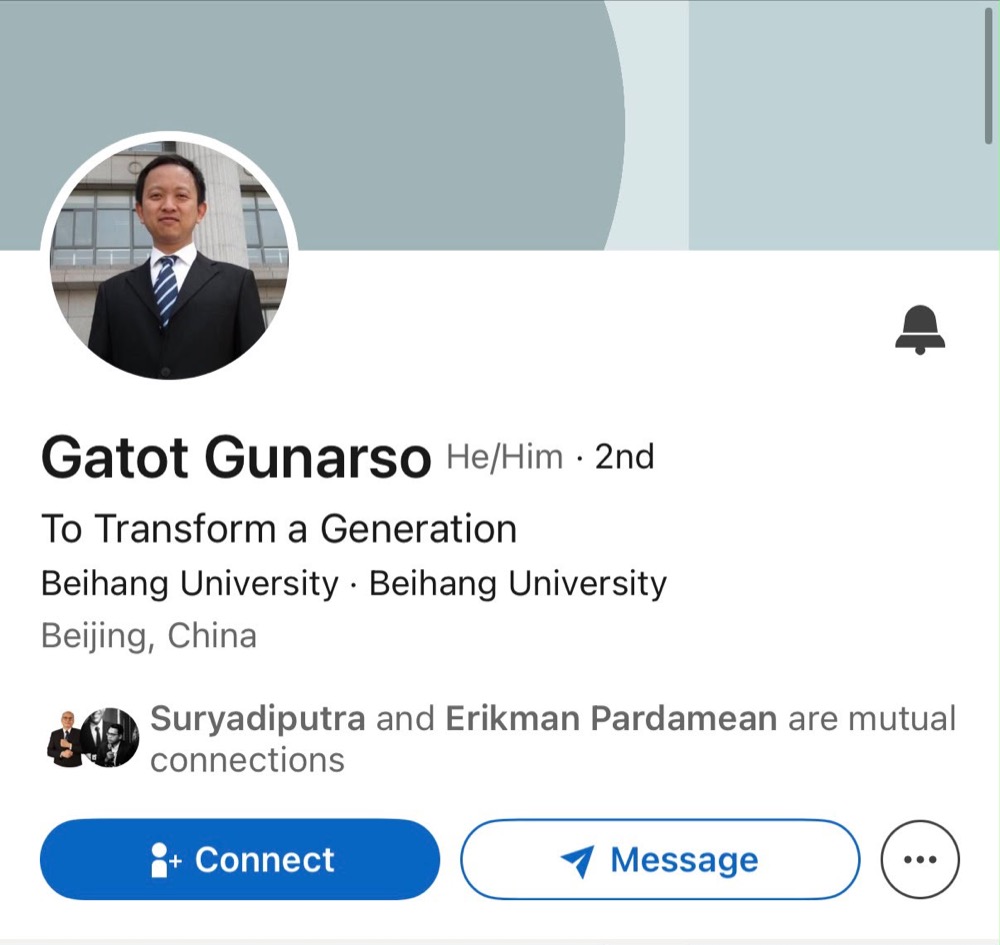
Core exhibit 1: a public-profile capture. Logical point: credentials establish neither truth nor falsity of the disputed statements.

Core exhibit 2: an experience section. Logical point: an appeal to credentials cannot substitute for first-hand evidence.
Core exhibit 3: the central accusation. “Tried to extort” and “scammer” are factual-sounding claims requiring evidence; “lunatic” and “script kiddie” attack the person rather than demonstrate the claim.
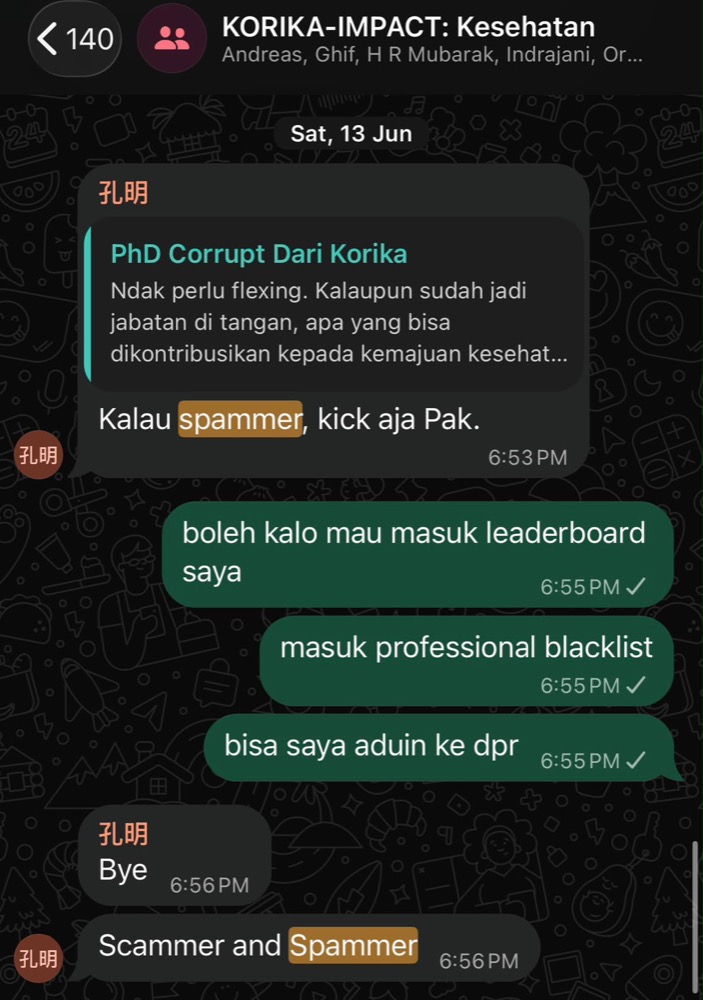
Core exhibit 4: group messages attributed by the notice to the display name 孔明. The capture does not independently establish who controlled that account.
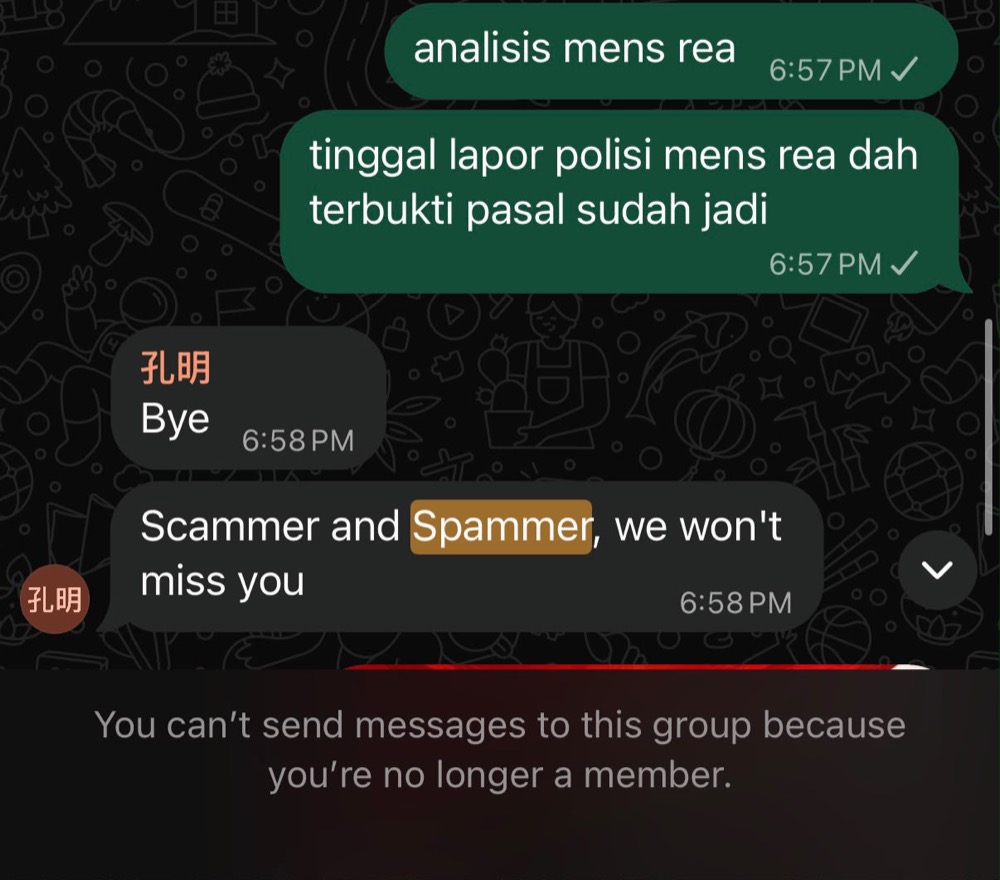
Core exhibit 5: removal follows the exchange. Sequence alone does not establish motive or legal liability.
Complete Threads exhibit gallery and fallacy notes
Every JPG supplied in temp/gatot is reproduced below, in filename order. Cropping and missing parent posts limit what can safely be inferred.
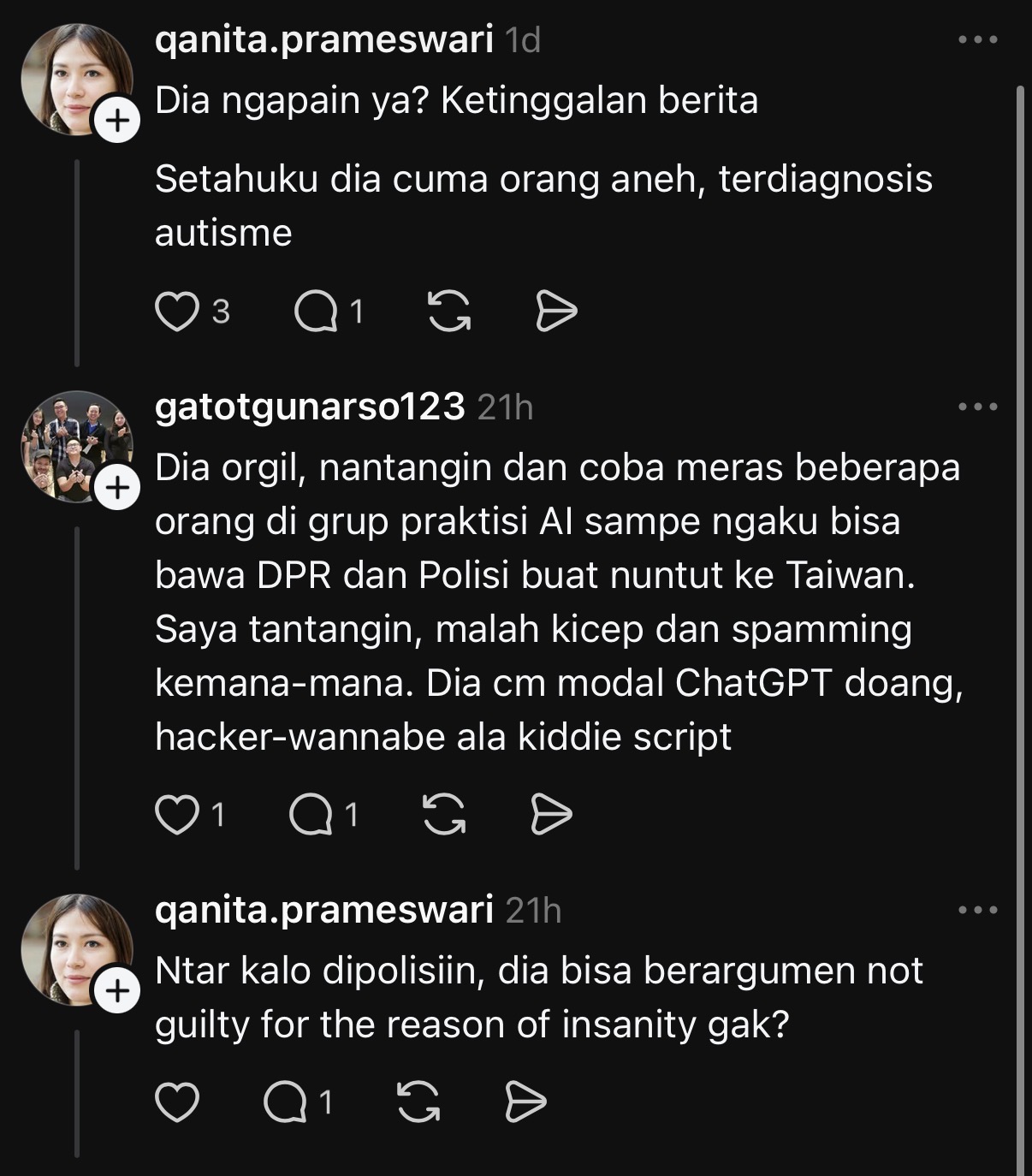
01 — IMG_4289. The visible comment combines factual accusations with labels about mental condition and technical competence. Fallacies: ad hominem, poisoning the well, and non sequitur. A third-party reply about an insanity defence is also speculation, not evidence.
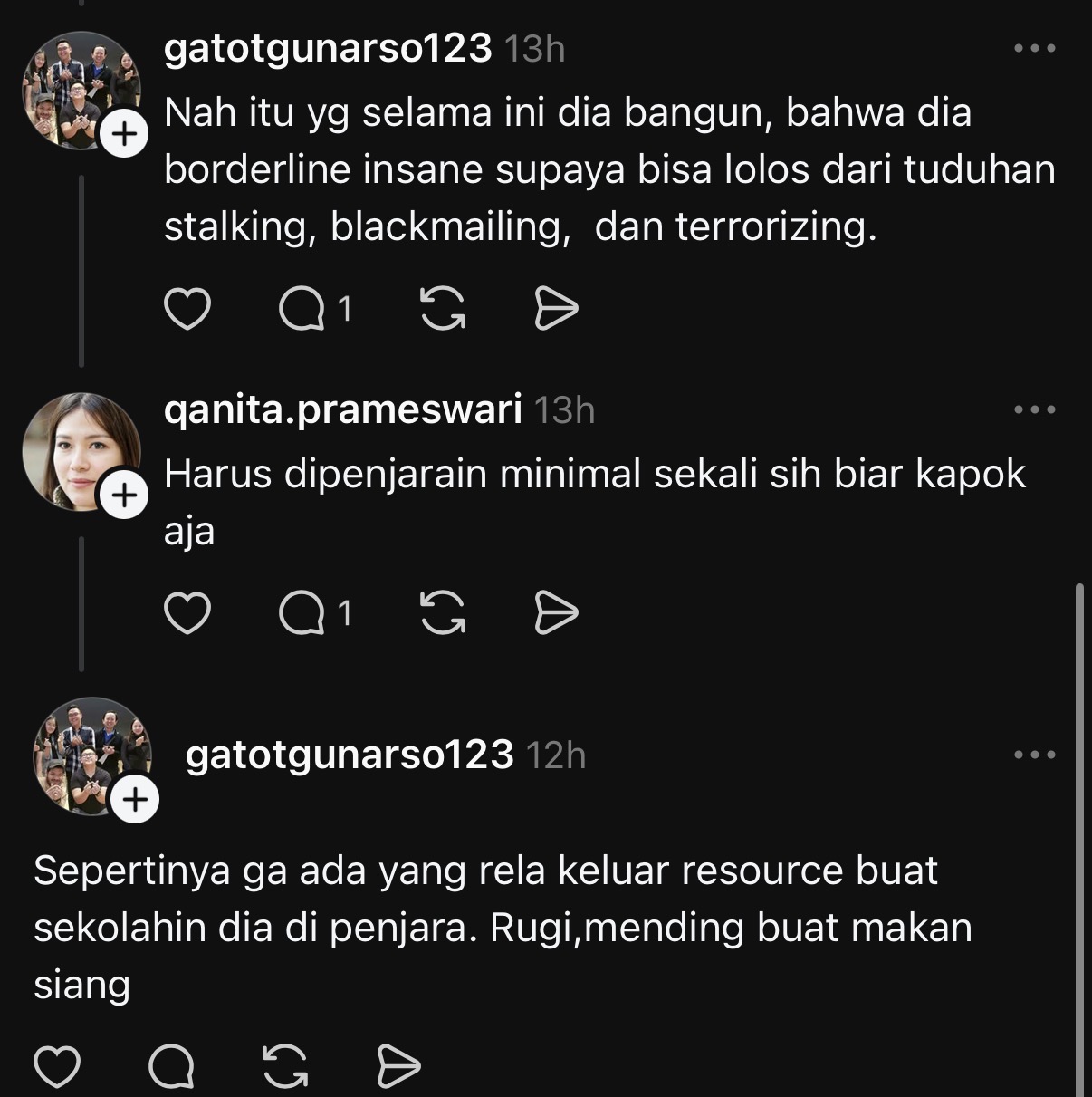
02 — IMG_4291. Claiming that a person cultivated an “insane” image to escape stalking, blackmail, or terror allegations is mind-reading unless supported by direct evidence. The prison exchange is appeal to punishment and ridicule, not a rebuttal.
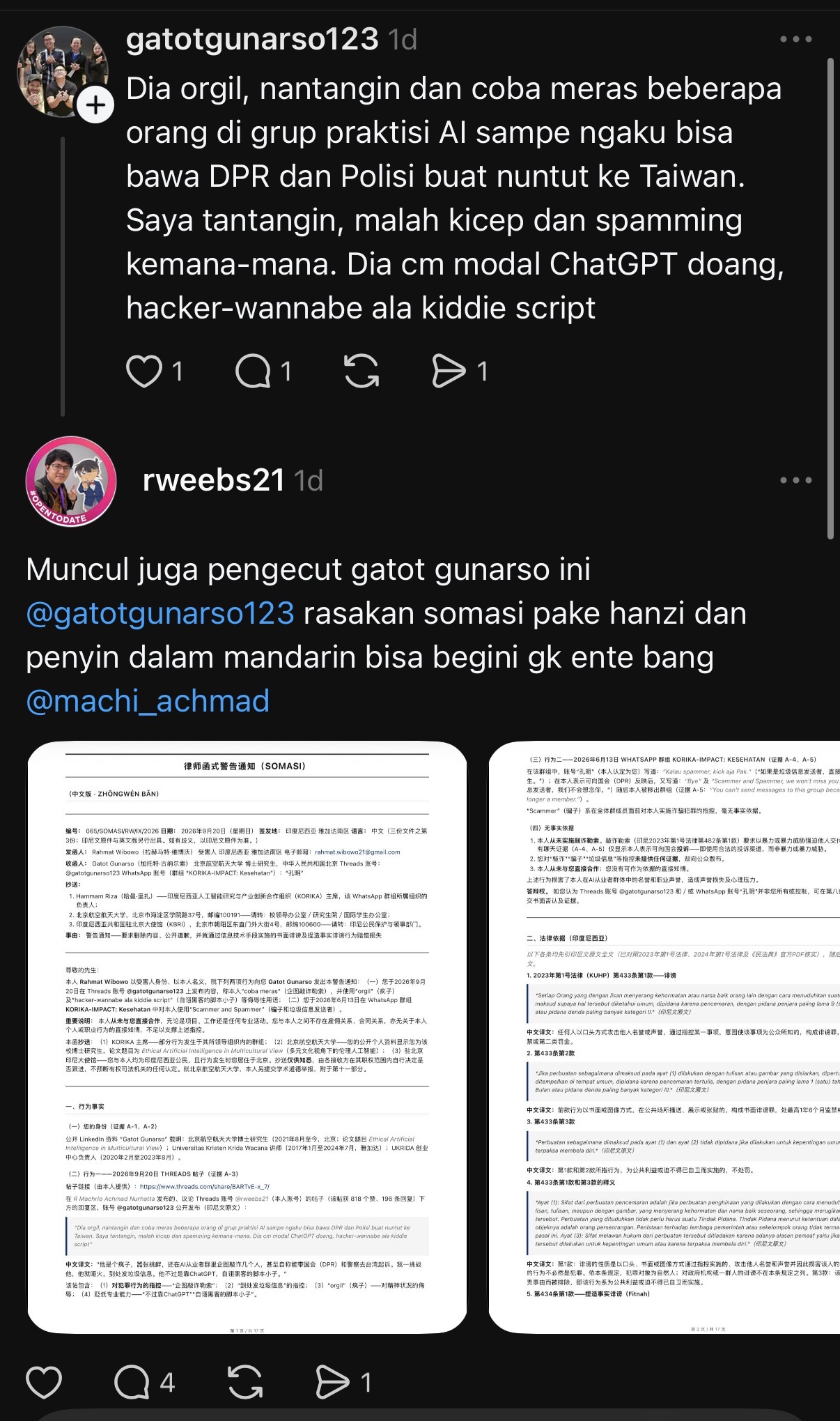
03 — IMG_4292. The quoted accusation remains unsupported within the capture. The answer “coward” is retaliatory ad hominem; announcing a multilingual notice does not prove the underlying accusation false.
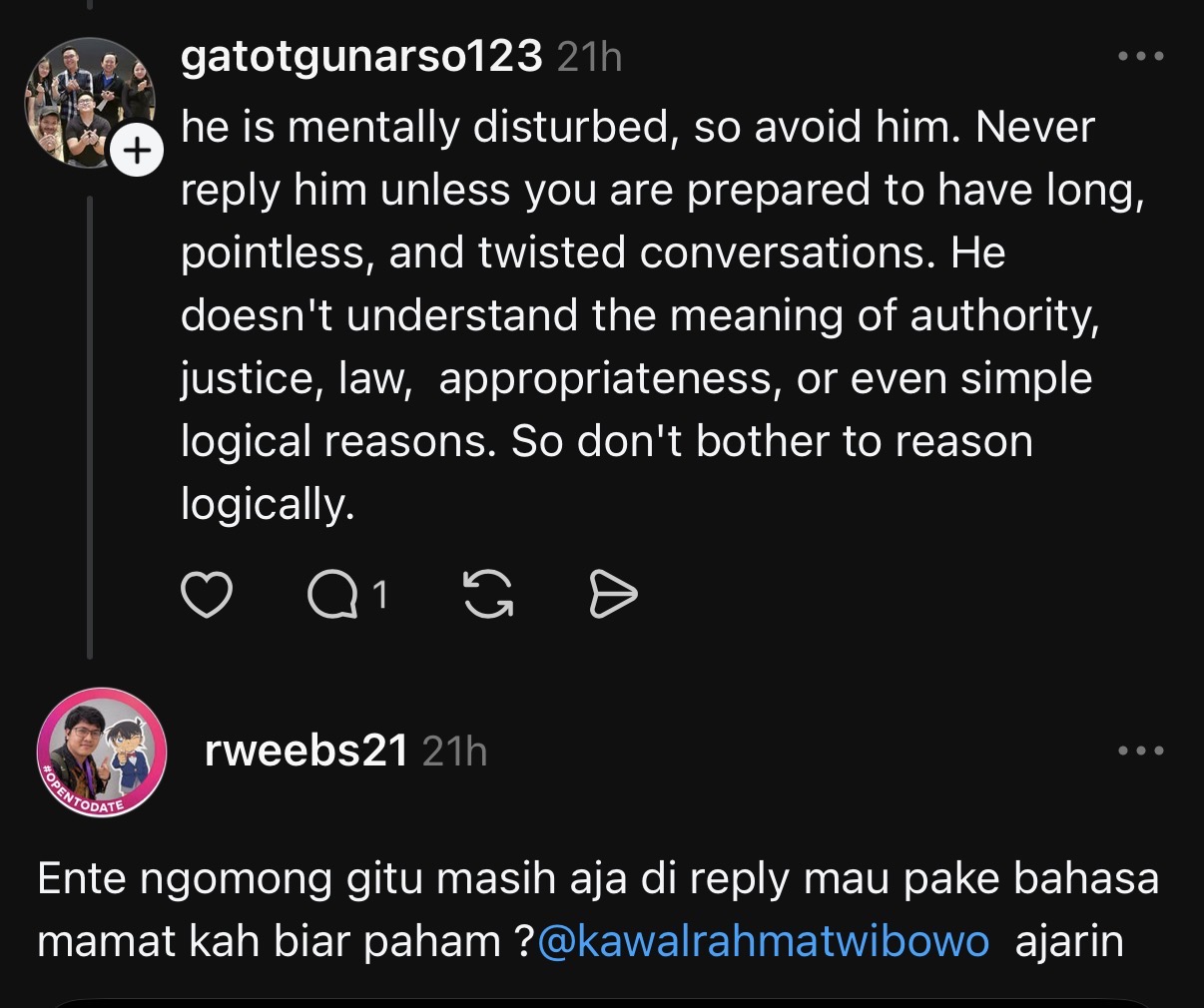
04 — IMG_4293. “Do not bother to reason logically” pre-emptively disqualifies a speaker, a classic poisoning-the-well move. The response attacks communication style rather than the premise.
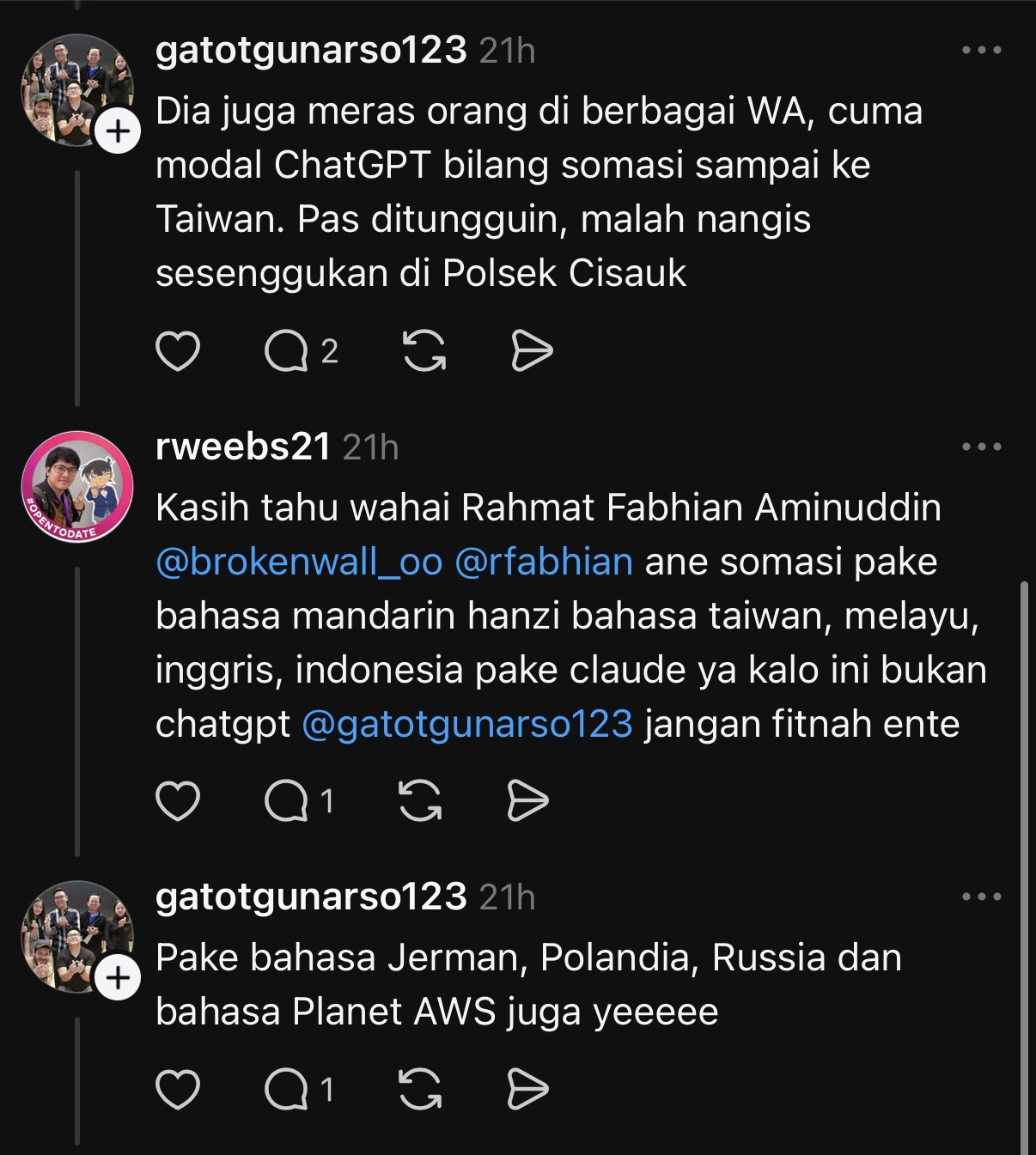
05 — IMG_4294. Repeating an accusation does not corroborate it. “He cried at the police station” is irrelevant to whether extortion occurred. The language joke is appeal to ridicule.
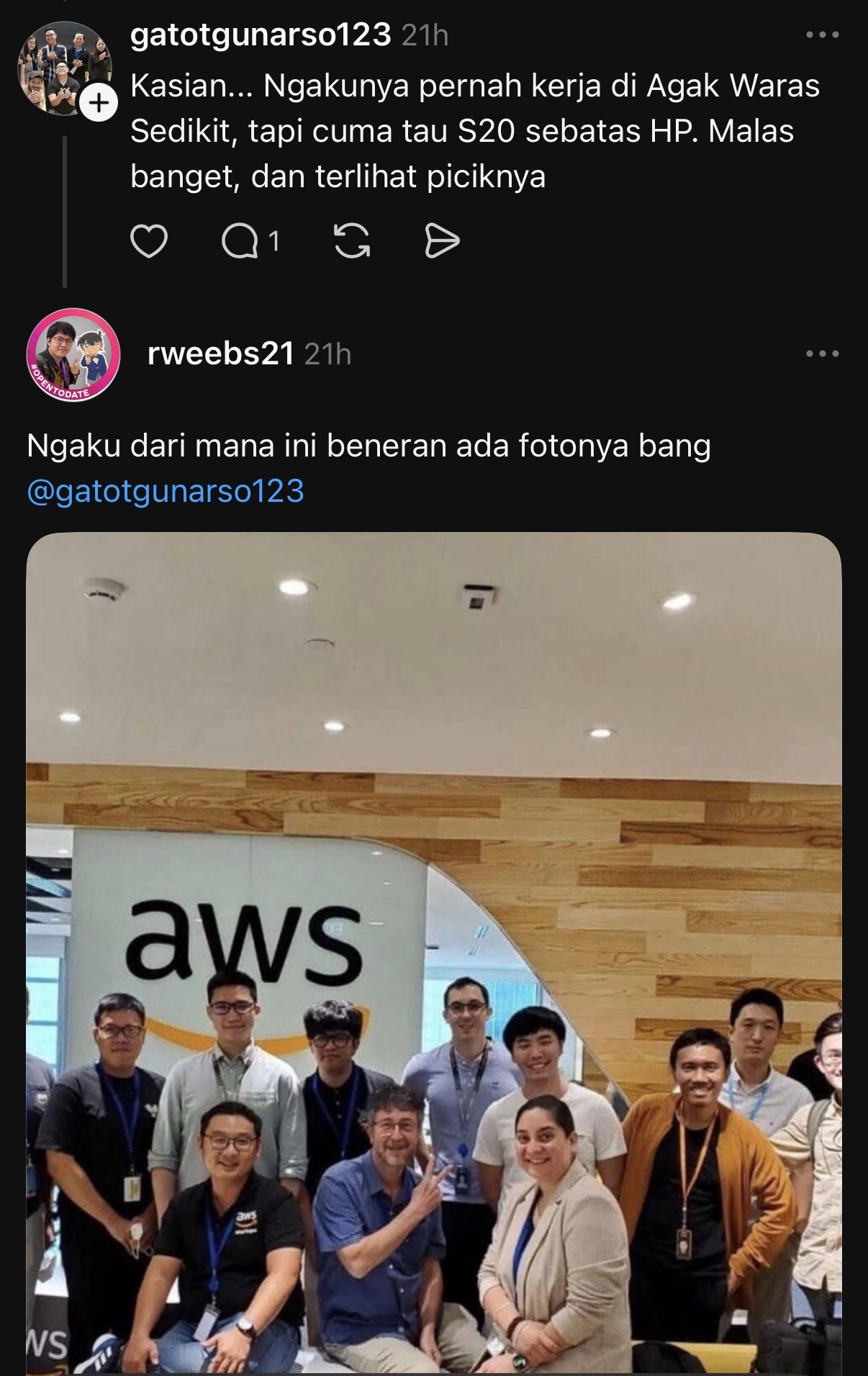
06 — IMG_4295. Inferring narrow-mindedness or poor competence from a disagreement about “S20” is hasty generalization. A photograph can support presence, but not necessarily employment status or job performance.

07 — IMG_4297. “Nametag therefore only a visitor, therefore scammer” is an unsupported chain of inference. The reply's “stupidity” and “insanity” labels are counter-ad-hominem, not proof.

08 — IMG_4298. Waiting for or using AI does not establish plagiarism. Conversely, “a stupid person is certainly stupid” is circular reasoning, and credentials or portfolios alone do not settle every competence claim.

09 — IMG_4299. Both visible messages are personal mockery. The substance-use insinuation is unsupported and irrelevant to the disputed factual claims.

10 — IMG_4300. The comments invoke sexual viewing habits, ancestry, and class. All are irrelevant distractions—red herrings mixed with ad hominem.
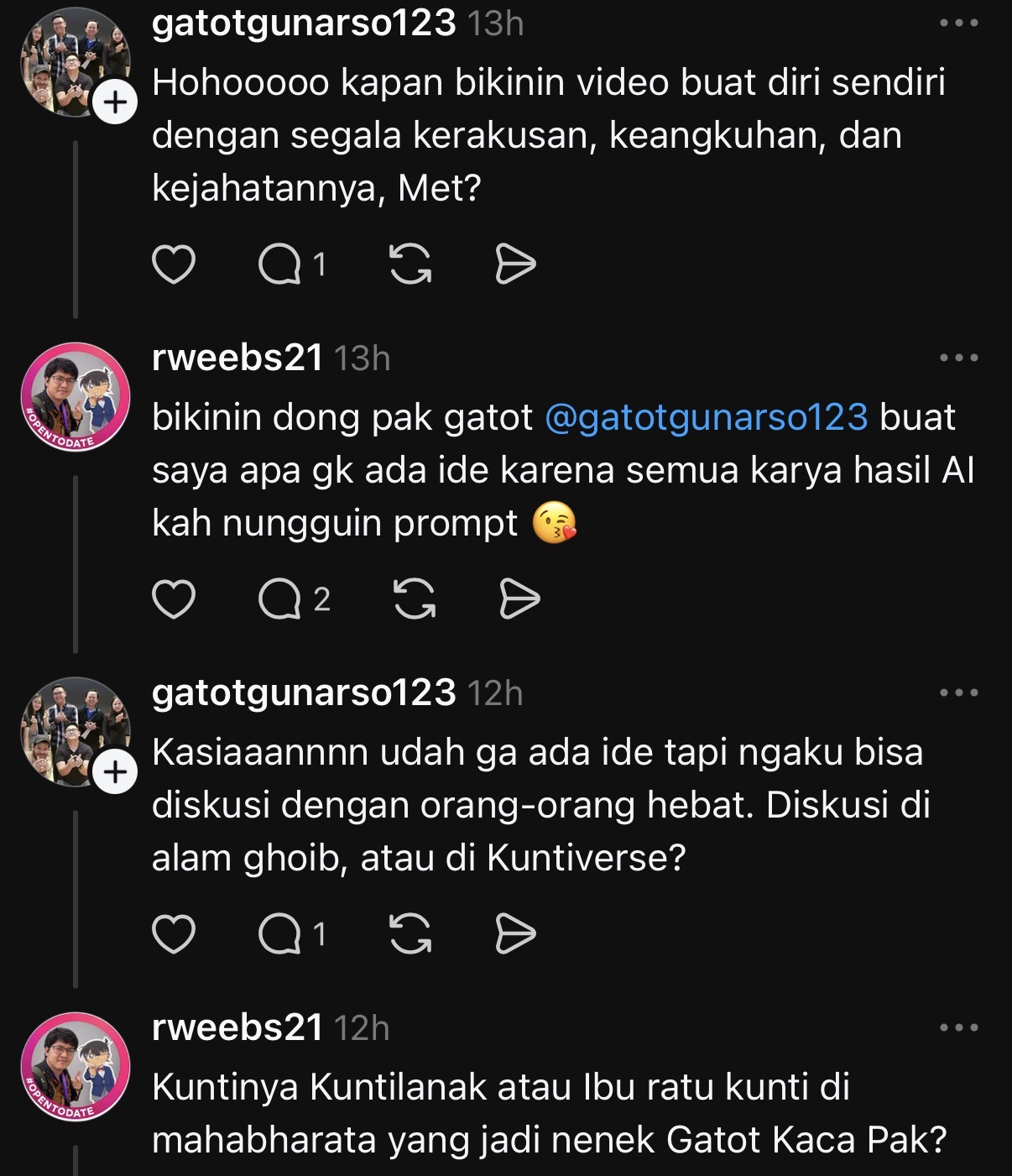
11 — IMG_4301. “Greed, arrogance, and evil” are conclusions without displayed premises. The replies about AI, ghosts, and fictional universes shift the exchange into ridicule.

12 — IMG_4302. A pun can be humorous, but it supplies no evidence. This exhibit adds almost nothing to the truth conditions of the dispute.

13 — IMG_4303. Correcting Beijing versus Taiwan could be relevant to accuracy. It does not logically support “stressed and evil” or “pretending to be insane,” which are non sequiturs and motive speculation.
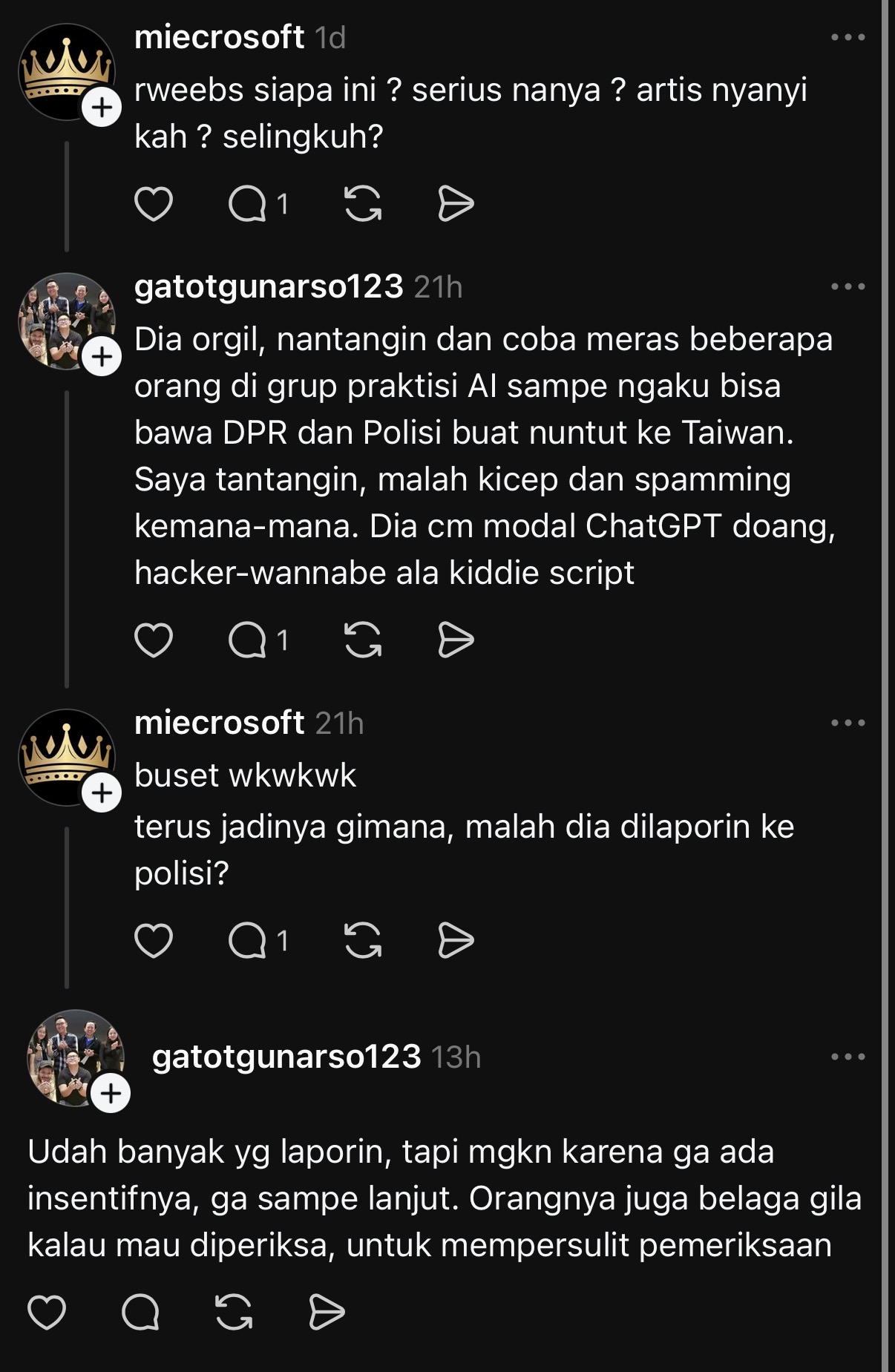
14 — IMG_4304. “Many have reported him” is an appeal to popularity unless report numbers or records are produced. A report, even if real, is not a finding of guilt. The claim about acting ill during examination is unverified in this capture.
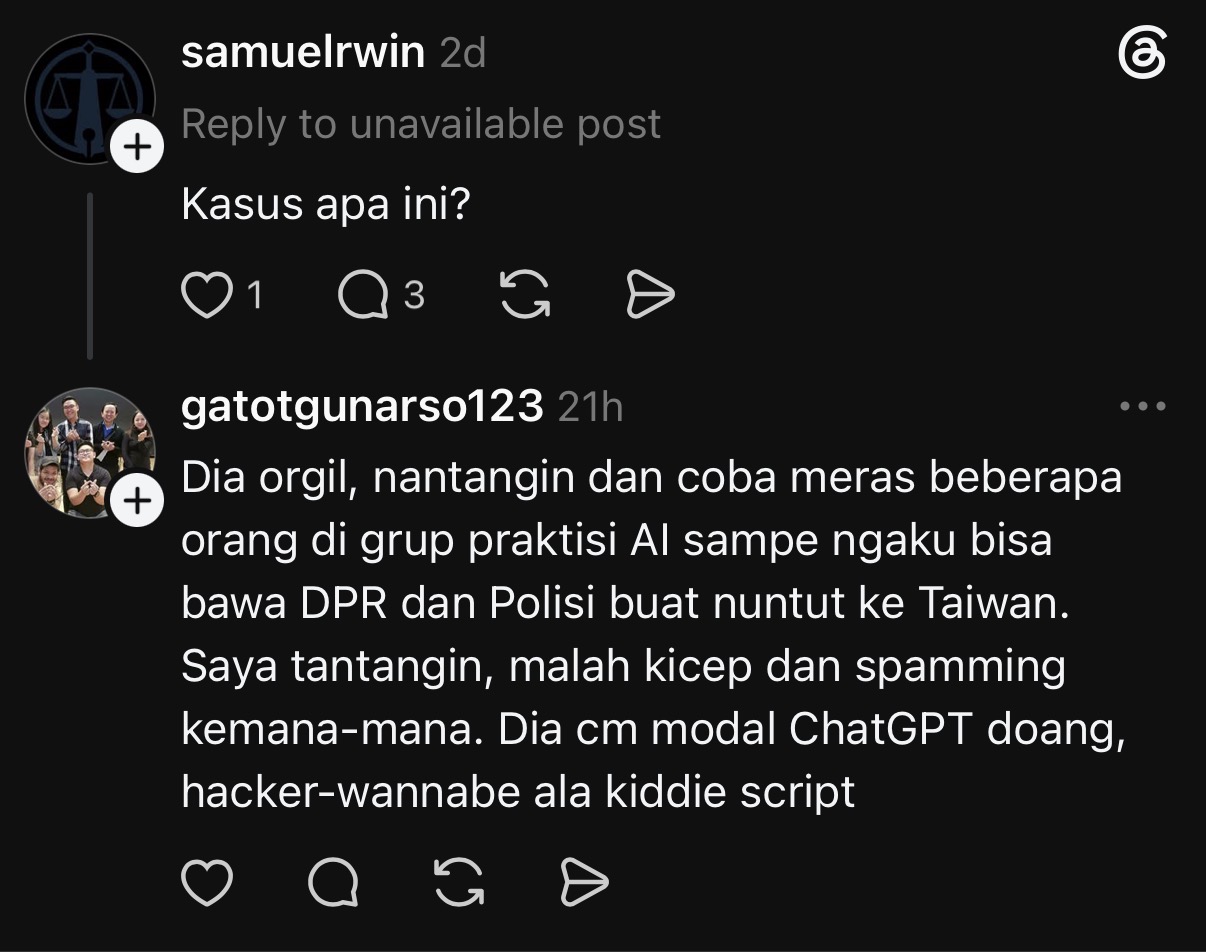
15 — IMG_4305 2. This is another repetition of the central accusation. Repetition across reply threads increases reach, not evidentiary weight.
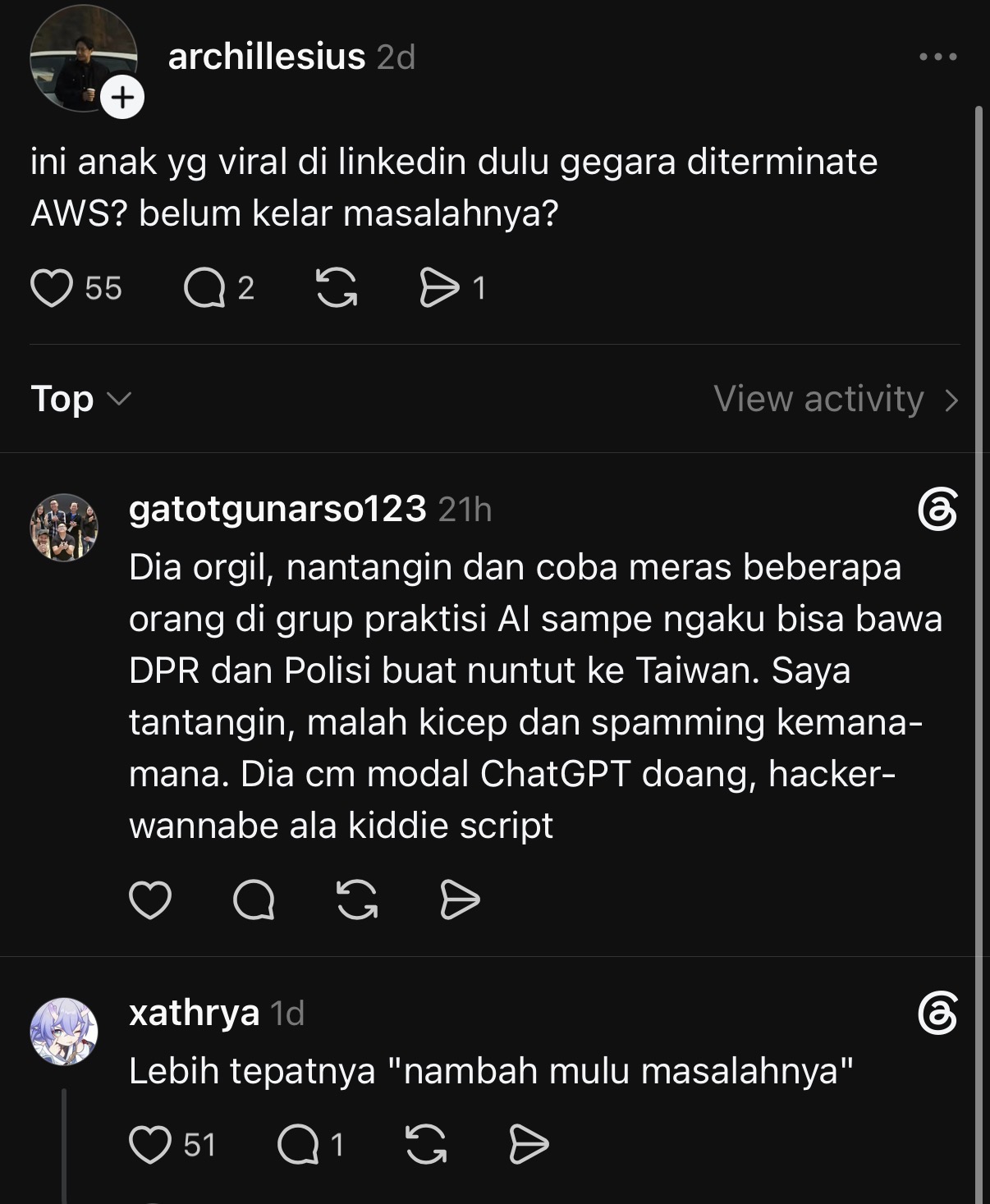
16 — IMG_4306. Prior termination is used as associative framing but does not establish any later accusation. This is guilt by association unless a direct causal link is shown.
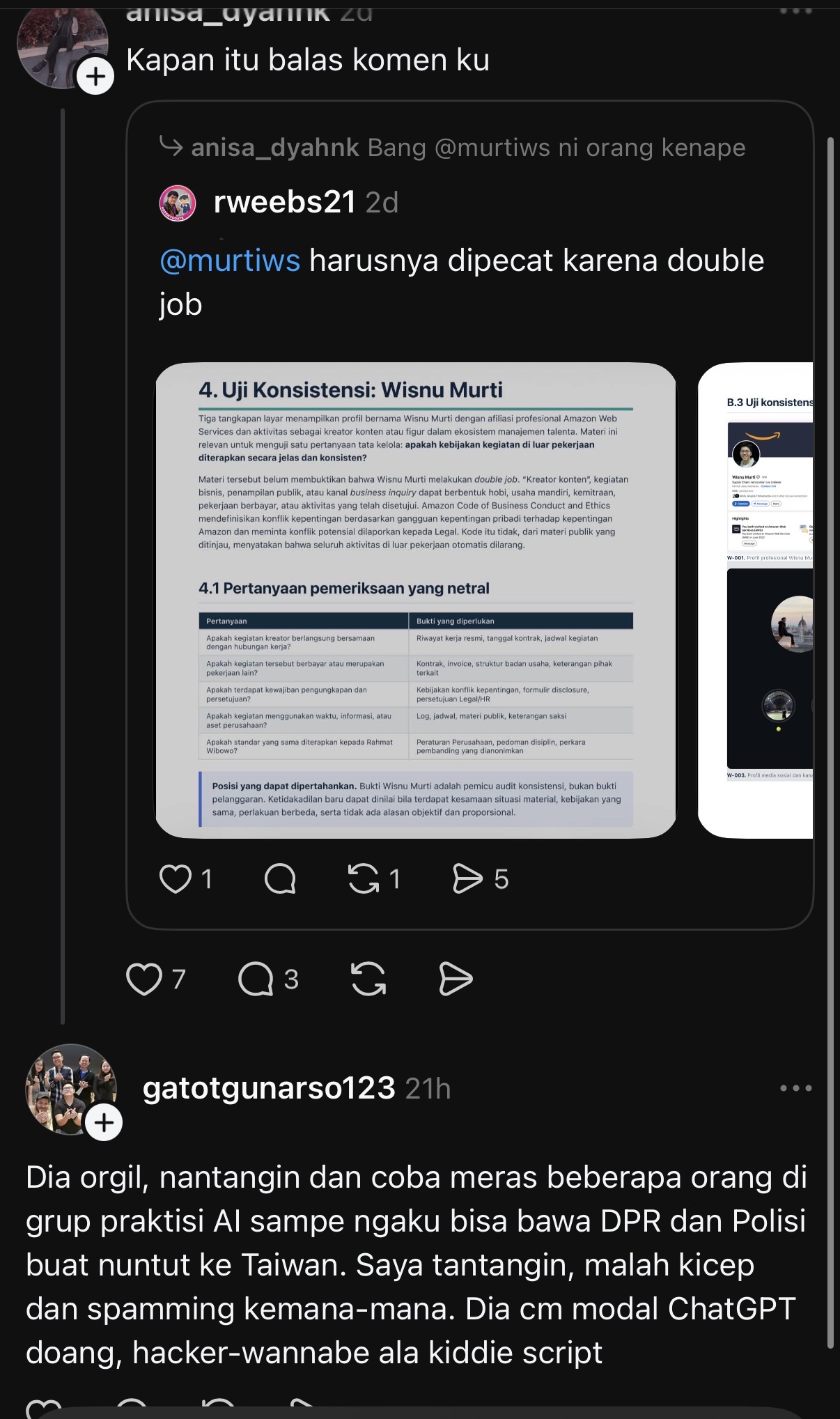
17 — IMG_4307. Posting the same allegation under another thread risks context collapse. The repeated wording still needs primary evidence.
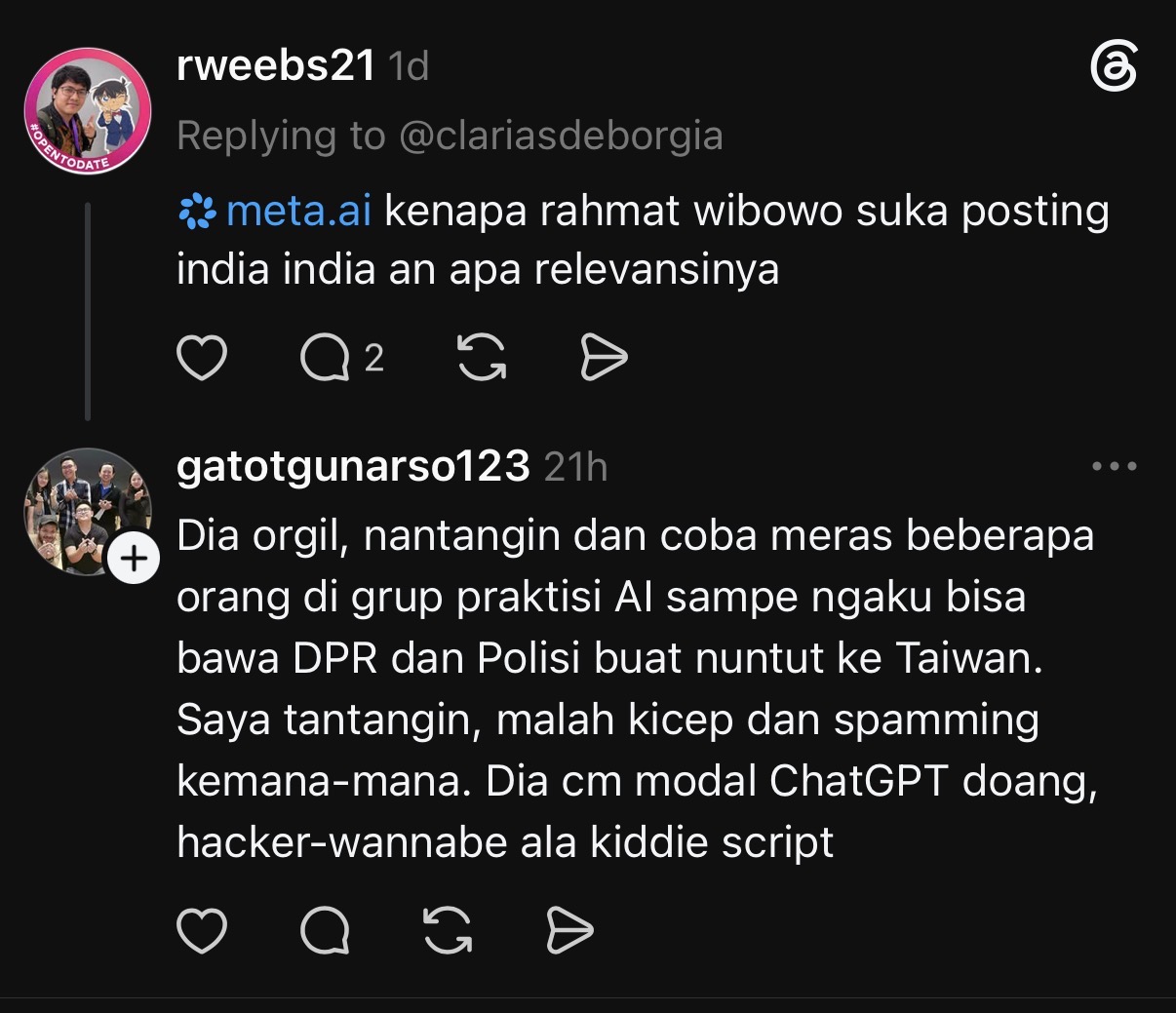
18 — IMG_4308. The accusation appears below a separate question about India-related posts. That mismatch is a red herring and may also mislead readers by severing claims from their original context.
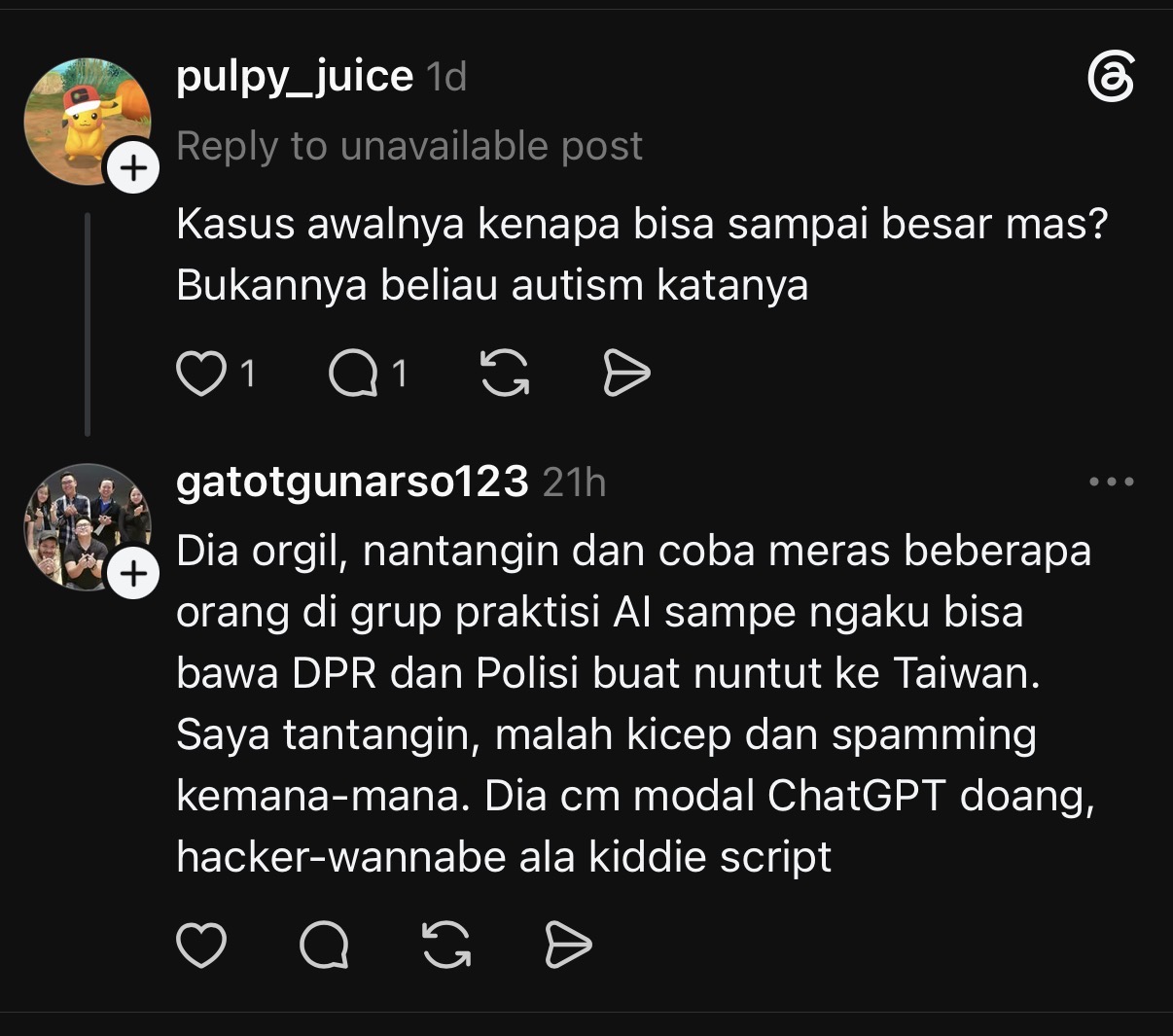
19 — IMG_4309. Autism is irrelevant to whether extortion or fraud occurred. Introducing diagnosis into the frame risks genetic-fallacy reasoning: evaluating a claim by a speaker's condition rather than its evidence.
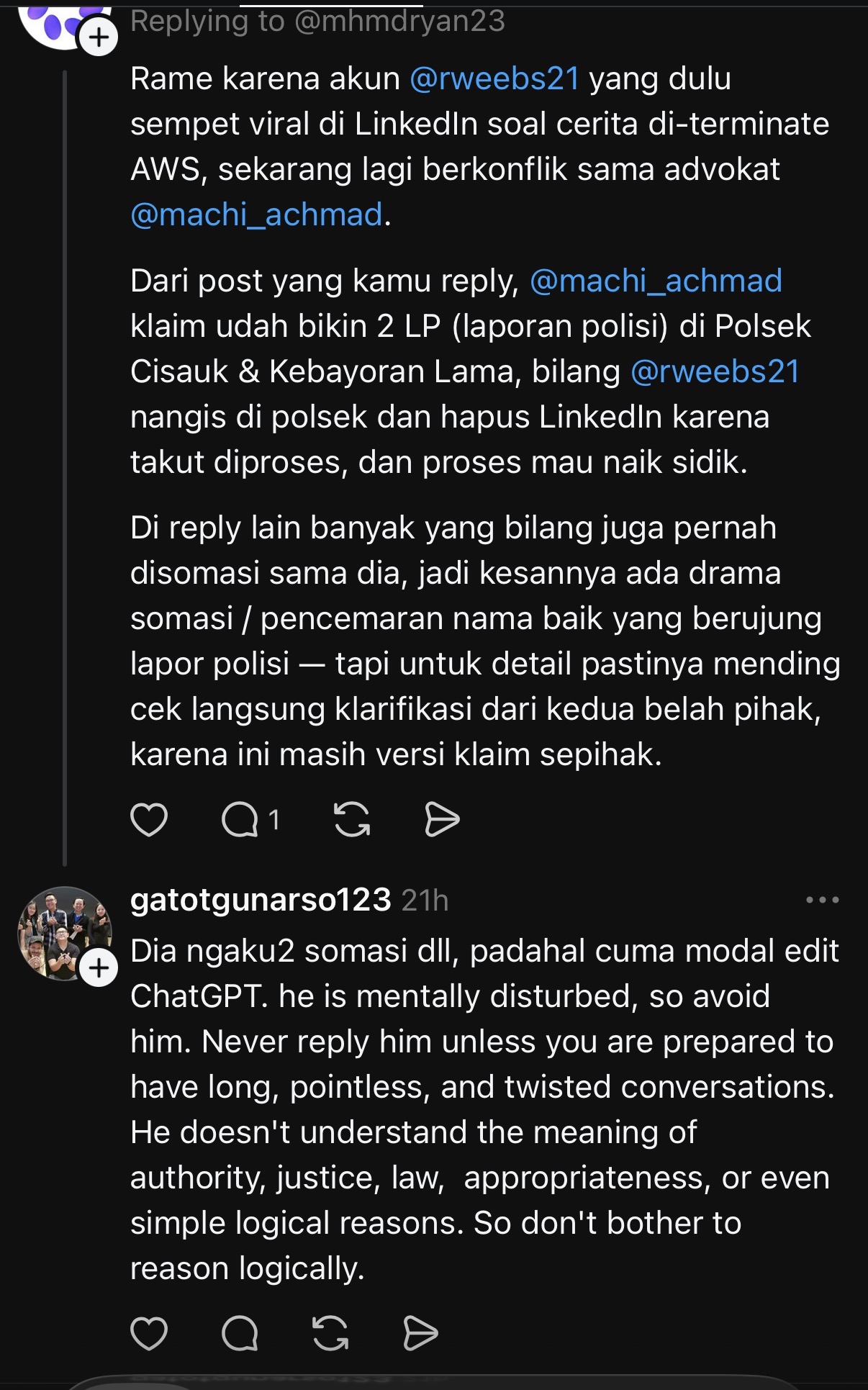
20 — IMG_4310. The AI summary correctly cautions that the dispute contains one-sided claims. The following comment discards that caution and asserts mental disturbance and inability to reason—poisoning the well and sweeping generalization.
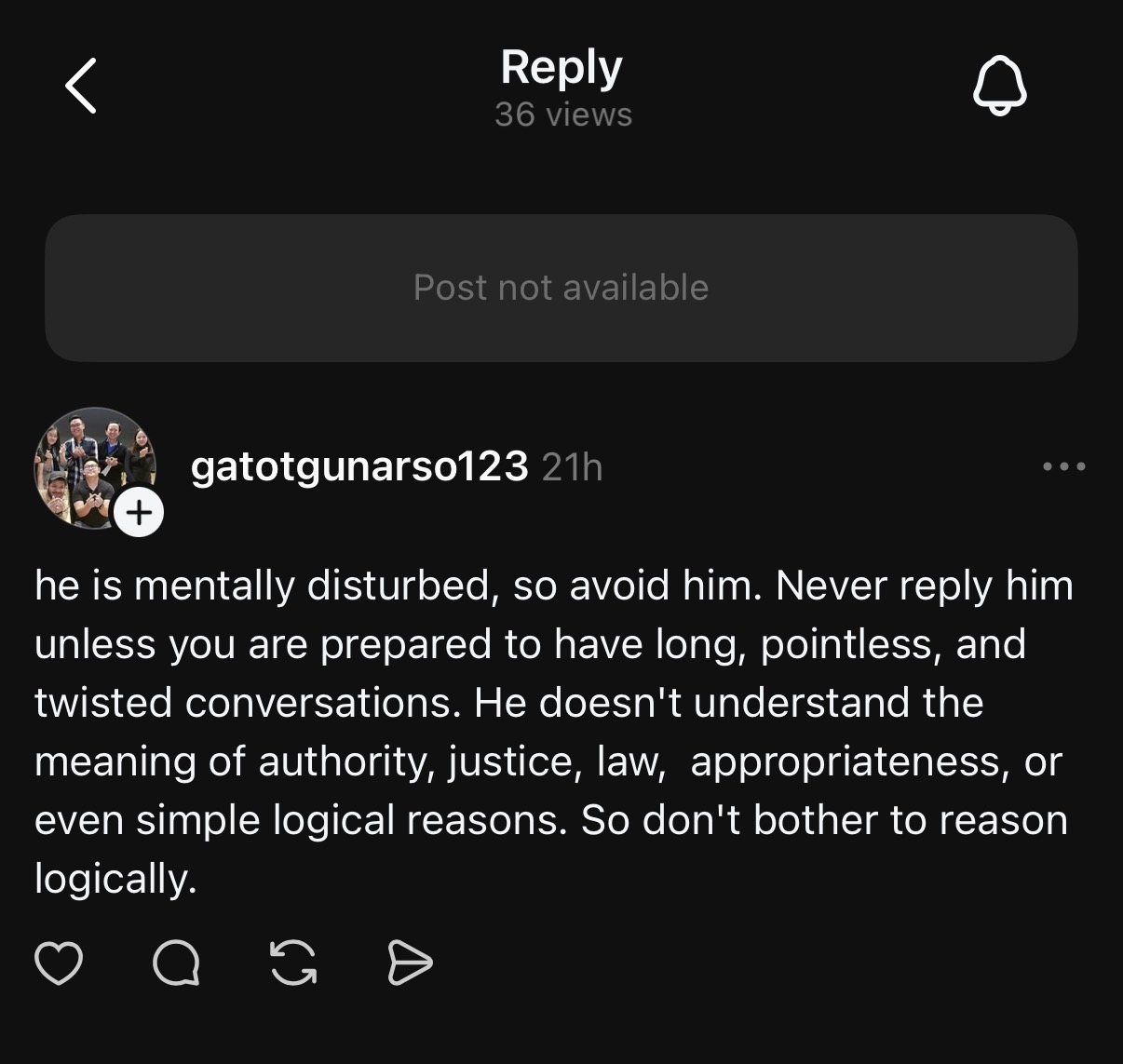
21 — IMG_4311. “Never reply” and “he doesn't understand” ask the audience to reject a person wholesale. No examples or criteria are supplied; the claim is unfalsifiably broad.
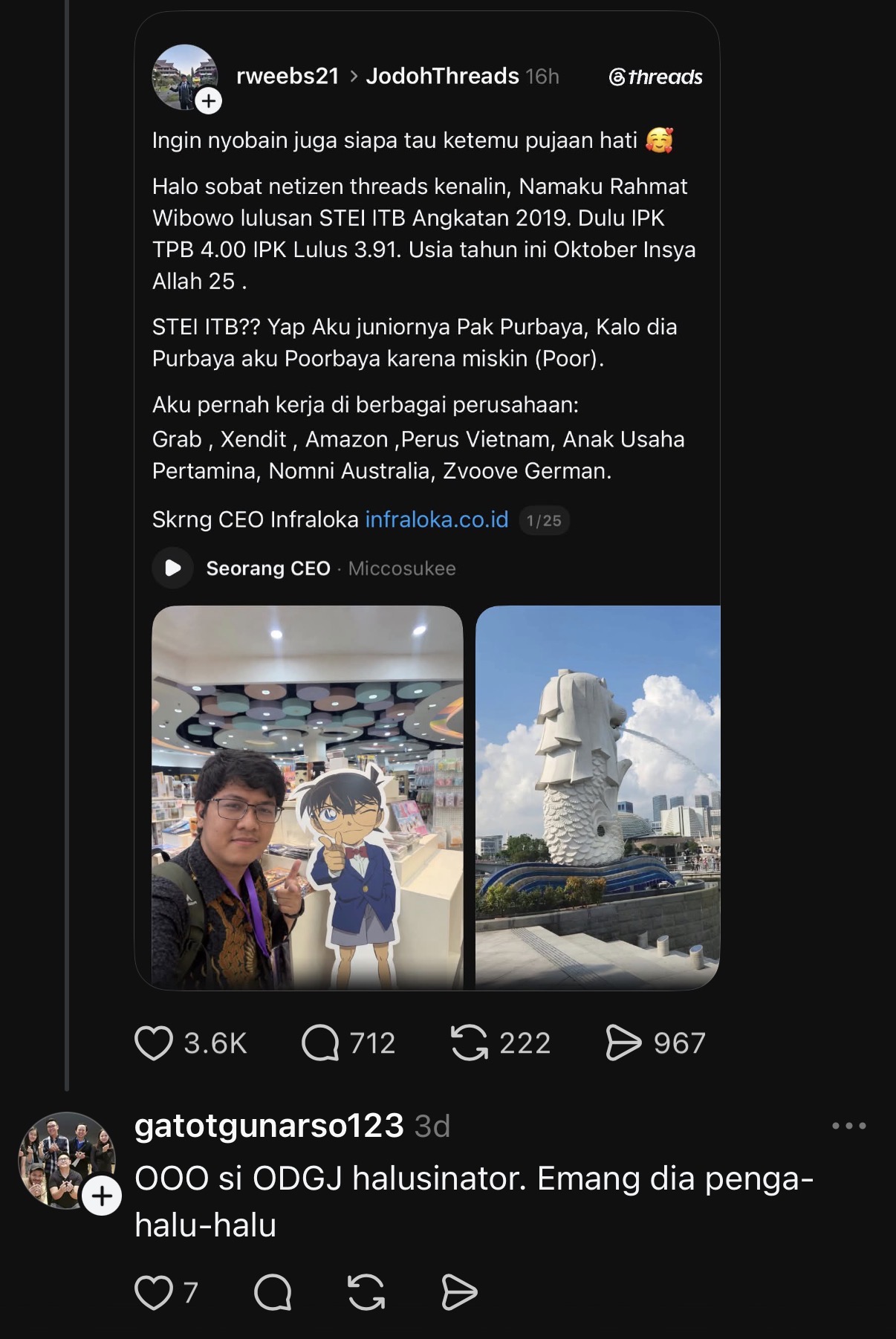
22 — IMG_4312. Calling a self-description hallucination or using a psychiatric label does not test any specific biographical claim. The proper method would verify each credential separately.
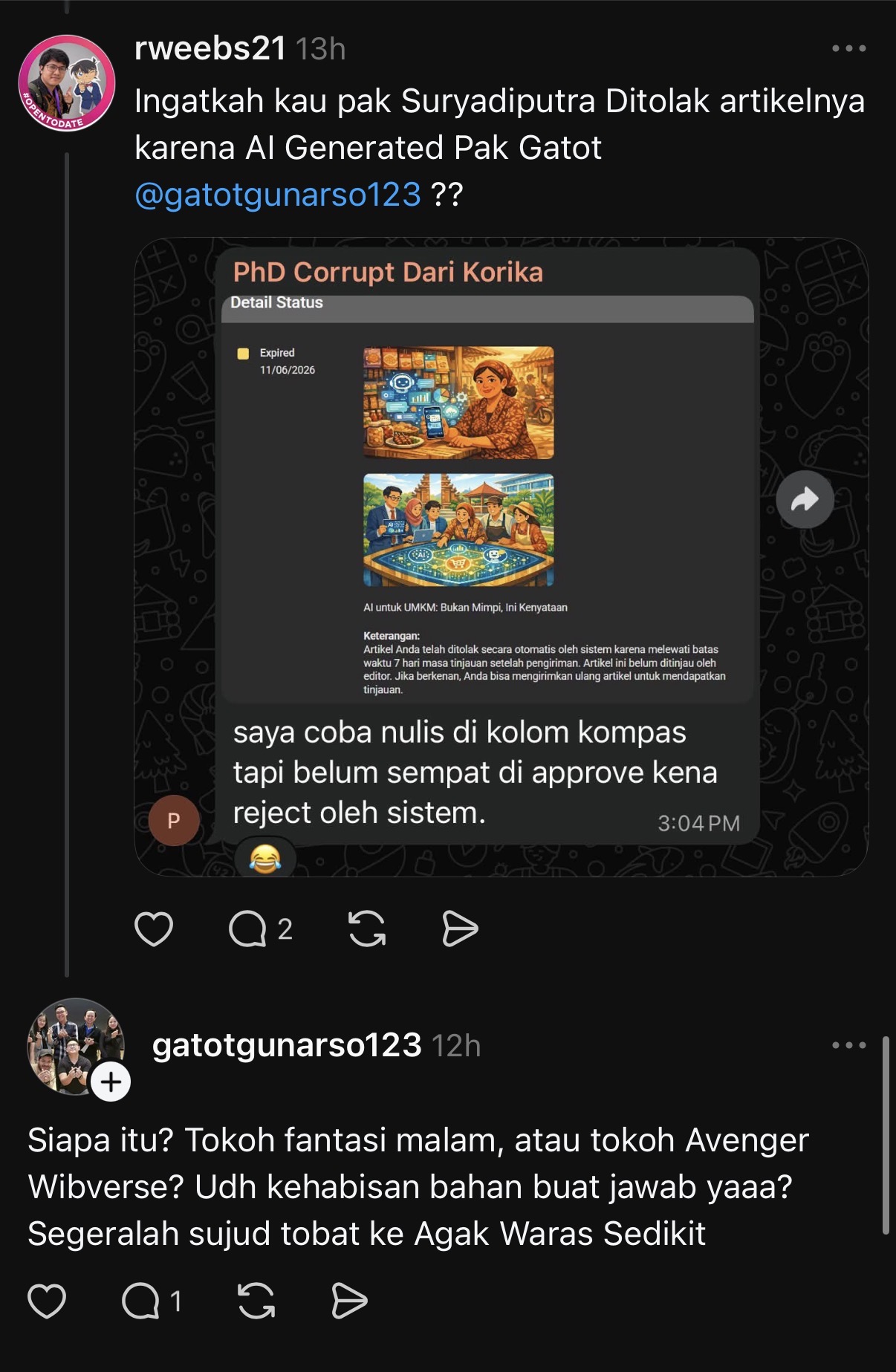
23 — IMG_4313. An automatic timeout rejection does not prove a submission was AI-generated. The “fantasy/Avenger” response likewise avoids the evidence. Both sides draw conclusions the displayed artifact does not establish.
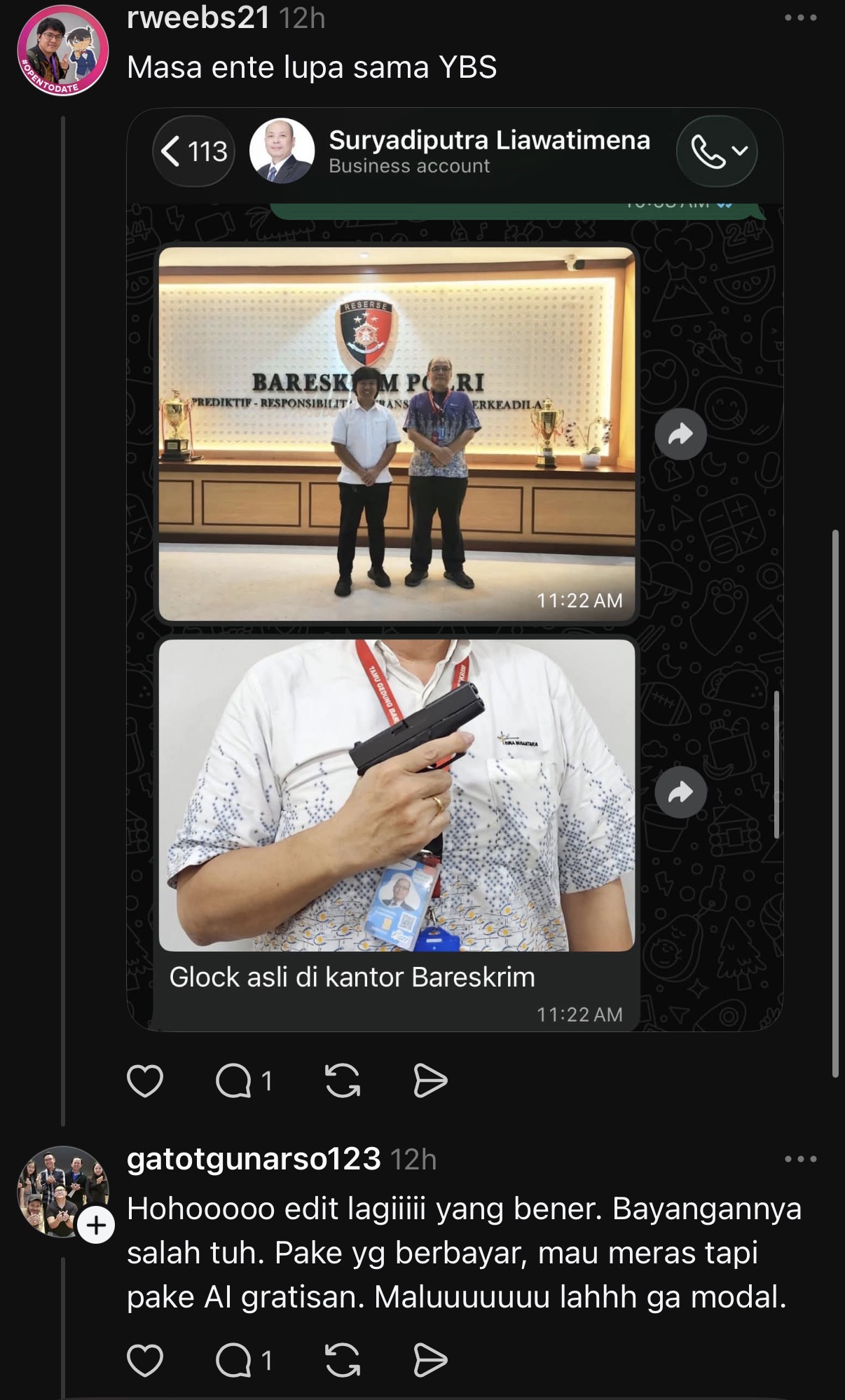
24 — IMG_4314. A photograph does not by itself authenticate a weapon, location, or surrounding story. “Paid AI” versus “free AI” is irrelevant to whether an allegation is true.
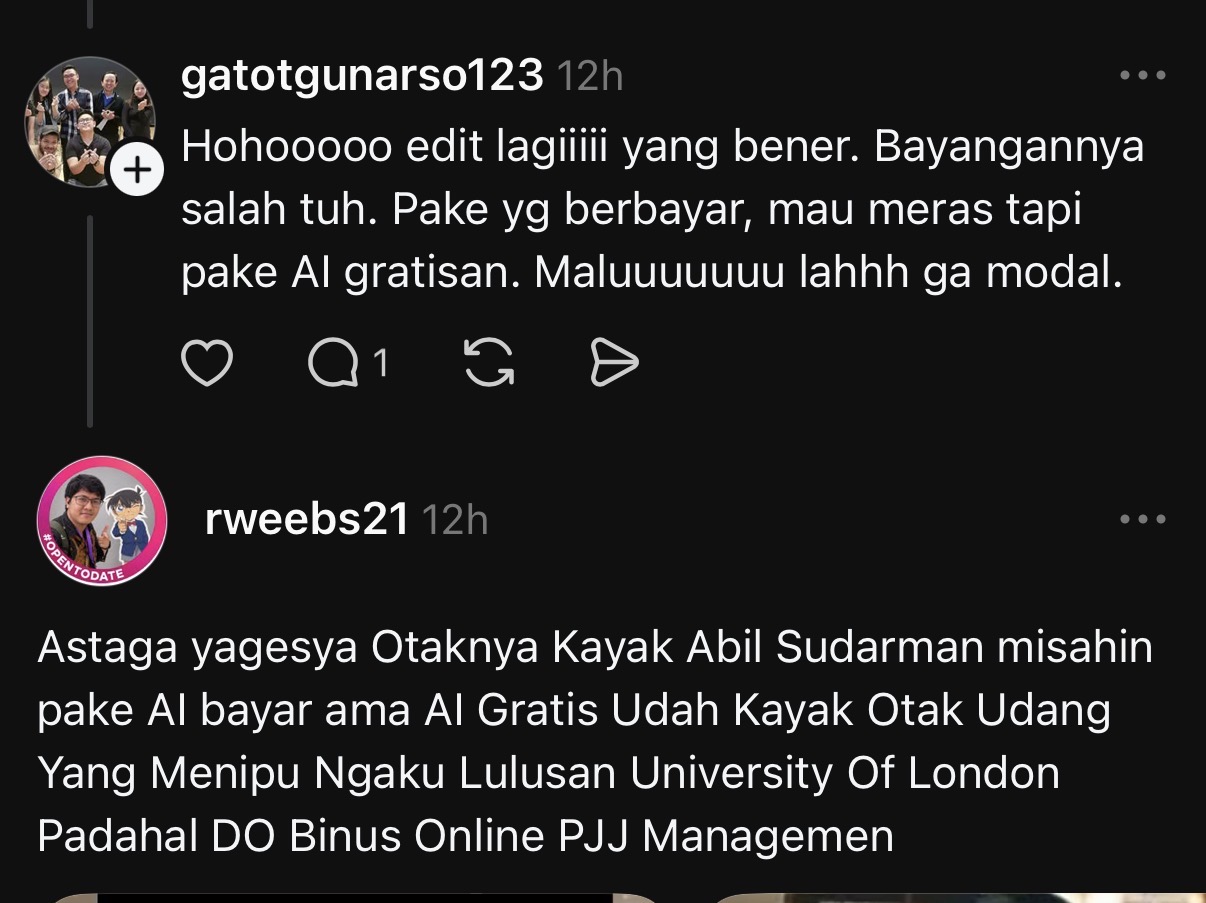
25 — IMG_4315. An image-editing criticism should identify measurable visual artifacts or source-file metadata. The response changes the subject to another person's education and uses an insult—a red herring and ad hominem.
What the record can and cannot prove
It can support these narrow observations: the supplied captures display repeated allegations and insults; the same central text appears in several reply contexts; both visible accounts use personal attacks; and the legal notice demands a response and evidence.
It cannot by itself prove: who controlled every account; that every capture is complete or unedited; that extortion, fraud, stalking, blackmail, or any other offence occurred; that anyone has a particular mental condition; that police or a university accepted any allegation; or that the sender is legally entitled to the demanded sum.
No logical-fallacy label answers those factual and legal questions. They require original platform records, complete conversations, authenticated files, witnesses, and fair adjudication.
A better form of argument / 更好的论证方式 / Gèng hǎo de lùnzhèng fāngshì
中文(汉字)
更可靠的讨论应当逐项提出明确主张,提供原始记录、日期、完整上下文和可核实来源,并允许对方回应。不要以精神健康标签、学历、雇主、人工智能工具或嘲笑来代替证据。提出犯罪指控的人首先负有举证责任;被指控者的愤怒或粗鲁回应,也不会自动证明原始指控为真。
Hànyǔ Pīnyīn
Gèng kěkào de tǎolùn yīngdāng zhúxiàng tíchū míngquè zhǔzhāng, tígōng yuánshǐ jìlù, rìqī, wánzhěng shàngxiàwén hé kě héshí láiyuán, bìng yǔnxǔ duìfāng huíyìng. Bú yào yǐ jīngshén jiànkāng biāoqiān, xuélì, gùzhǔ, réngōng zhìnéng gōngjù huò cháoxiào lái dàitì zhèngjù. Tíchū fànzuì zhǐkòng de rén shǒuxiān fùyǒu jǔzhèng zérèn; bèi zhǐkòngzhě de fènnù huò cūlǔ huíyìng, yě bú huì zìdòng zhèngmíng yuánshǐ zhǐkòng wéi zhēn.
English translation
A reliable discussion should state each claim precisely, supply primary records, dates, complete context, and verifiable sources, and allow the other party to answer. Mental-health labels, degrees, employers, AI tools, and ridicule are not substitutes for evidence. The person making a criminal accusation carries the initial burden of support; an angry or rude response from the accused does not automatically make the original accusation true.
Right of reply and correction policy
Gatot Gunarso and every person whose words appear in these captures are invited to provide a response, correction, missing context, or evidence of misattribution. Any substantive response may be appended subject to privacy, safety, relevance, and verification. If reliable evidence shows that a factual statement or translation here is wrong, the article should be corrected with a dated note.
Related reading
- Learn how to separate claims from personal attacks in A Field Guide to Logical Fallacies.
- Compare the exhibit-by-exhibit method in The Ibam Files: A Logical Fallacy Audit.
- Read the broader context behind digital somasi and electronic evidence.
- Review the separate account of the KORIKA dispute and second legal notice.
Published by Rahmat Wibowo, Founder & CEO, InfraLoka — infraloka.co.id
#LogicalFallacies #MediaLiteracy #Hanzi #Pinyin #DigitalEvidence #RightOfReply #Somasi